Bioinformatics & Multiomics


Agentic Bioinformatics: How Autonomous AI Agents Compress Biomedical Discovery Cycles
Agentic bioinformatics treats biomedical discovery as a closed-loop system where specialized AI agents continuously translate intent into computation, computation into evidence, and evidence into the next experiment.

Proteomic Signatures: Molecular Discrimination of Hyperinflammatory States Through Serum Proteome Architecture
Serum proteomics exposes how sepsis and hemophagocytic syndromes diverge at the level of immune regulation and proteostasis, enabling precise molecular discrimination.

Residual Signals: Transcriptomic Surveillance and Multi-Domain Gene-Signature Mapping for Early Breast Cancer MRD Detection
MRD detection in breast cancer focuses on uncovering functional transcriptomic and microenvironmental signals that reveal persistent tumor activity invisible to traditional genomic approaches.
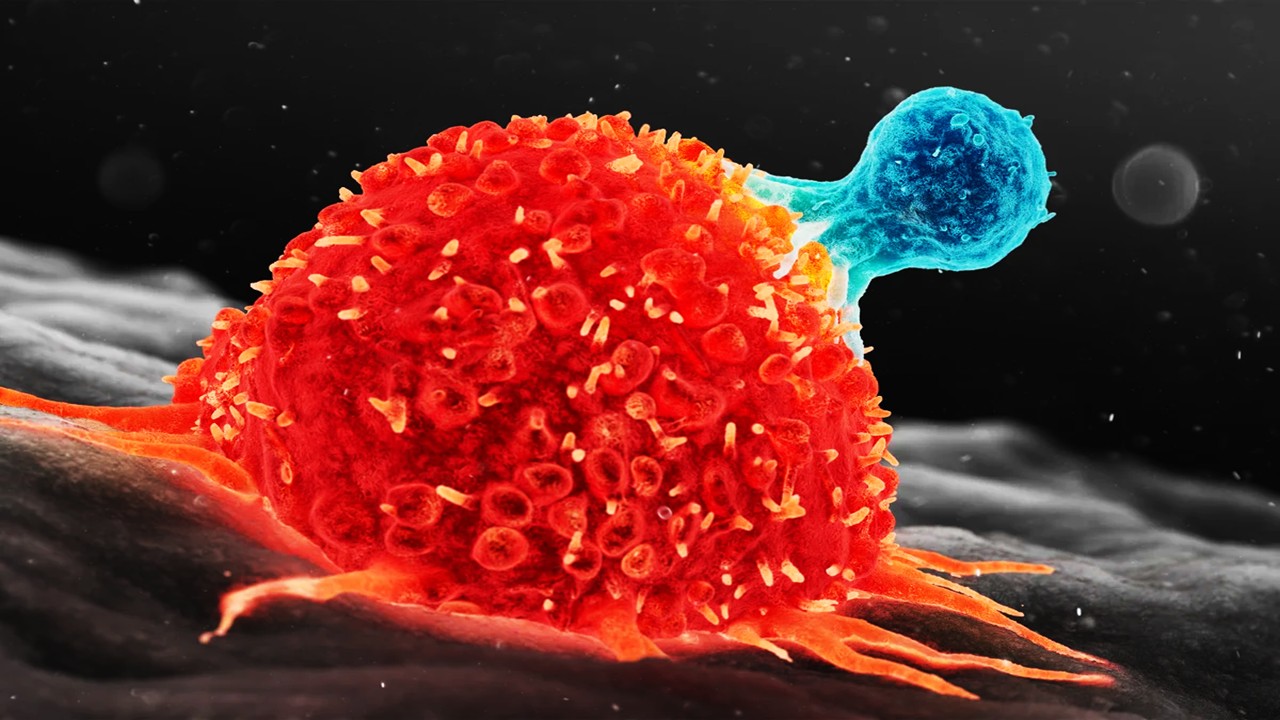

Omics to Outcome: Mechanistic Learning to Predict Immune Checkpoint Inhibitors’ Responses and Immune Toxicities
Multi-omics and principled transfer learning transform checkpoint therapy from empirical trial-and-error into model-guided, patient-specific decision-making.
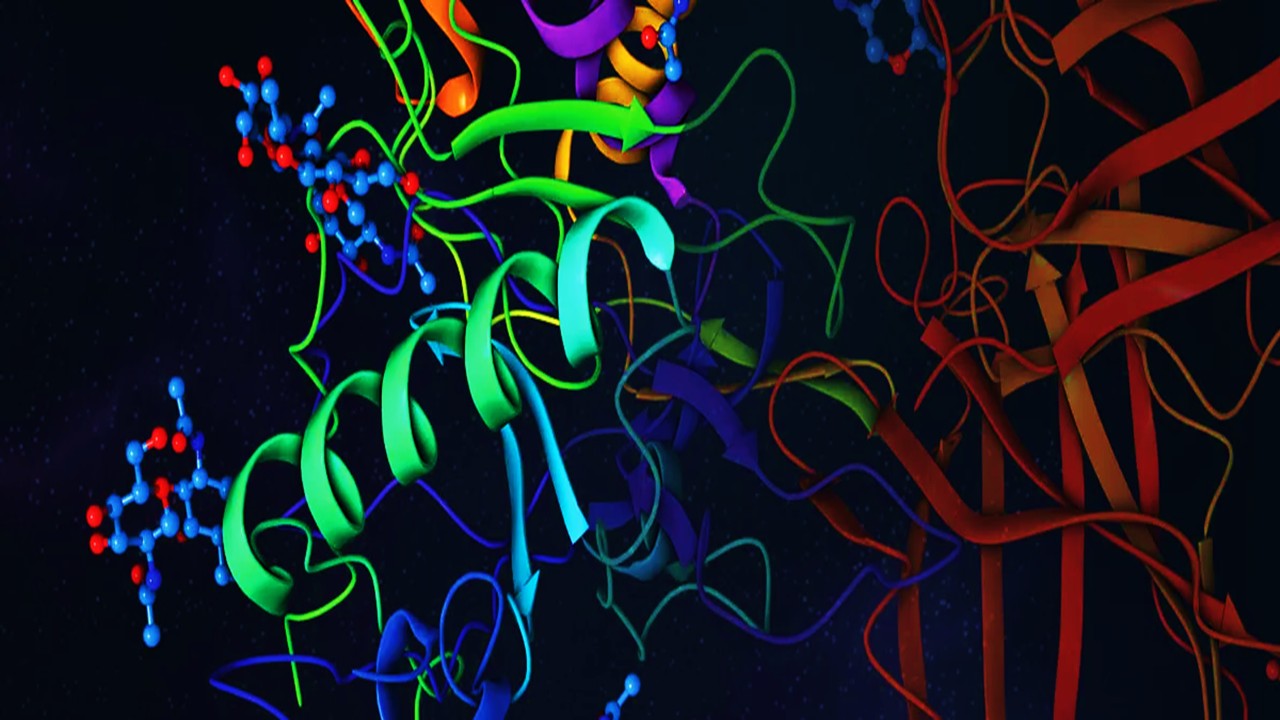
Molecular Compass: How AlphaFold 3 Recasts Structure, Interaction, and Design Across Biology
AlphaFold 3 turns sequences and chemotypes into atom-wise structural ensembles that make mechanism and design a single, accelerated workflow rather than a stitched pipeline.

AutoML, Unlocked: Genetic Architectures Meet Automated Pipelines for Complex Trait Inference
AutoML systematizes model and pipeline selection for omics and GWAS, making nonlinear signals and multi-objective priorities tractable without sacrificing interpretability.
Spatial Semantics, Learned: Context-Aware Representation Framework Turning Tissue Architecture Into Actionable Gene Embeddings for Spatial Genomics Analysis
By treating spatial transcriptomics as a language of tissue architecture, SIGEL learns gene embeddings that make downstream spatial genomics both tractable and biologically faithful.



Reading EoE in Blood and Biopsy: Multi-omics Profiling Across Mucosal and Circulating Compartments
Pediatric eosinophilic esophagitis expresses a conserved esophageal molecular program that can be read in blood through integrative panels combining cytokines, immunoglobulins, and B-vitamer–linked metabolites.
Illuminating the Dark Genome: Uncharted Frontiers in Therapeutic Discovery
The dark genome is not a biological void but a frontier awaiting illumination.