Regenerative Medicine & Biomaterials
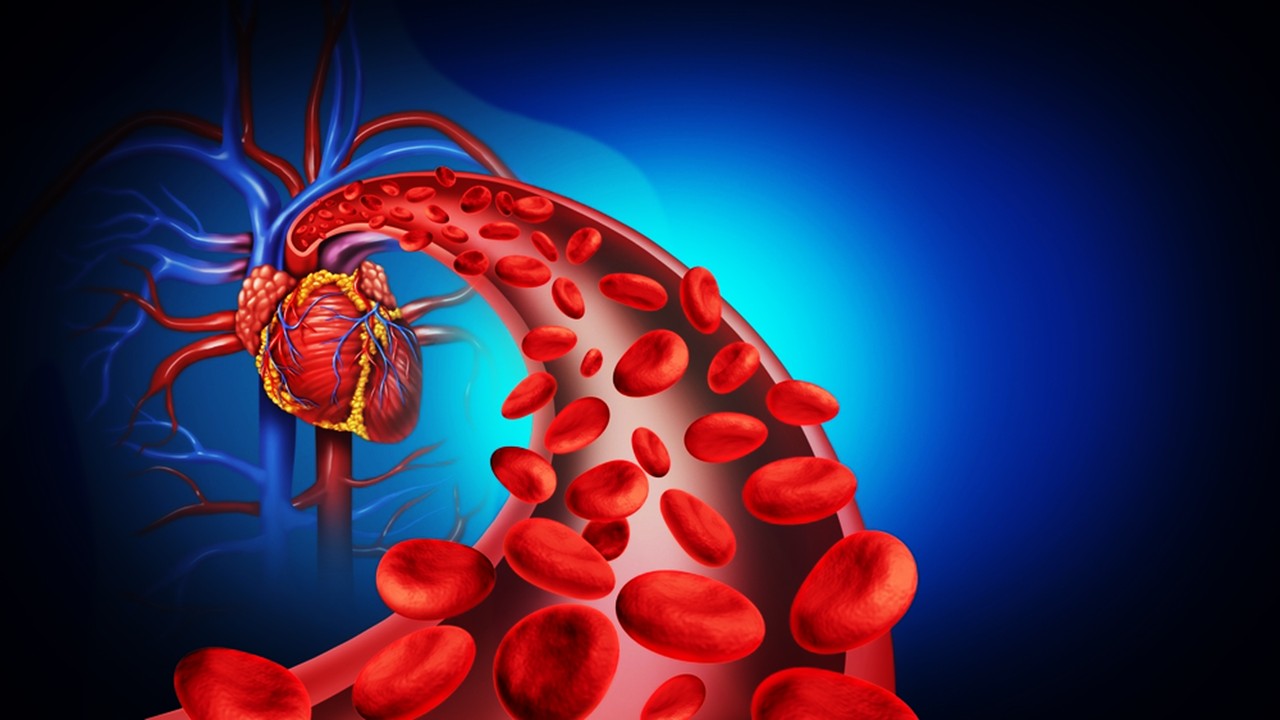

Bioactive Networks: Photocrosslinkable Gelatin Hydrogels and Cytokine Modulation in Human Immunity
GelMA hydrogels demonstrate that the architecture of matter itself can modulate the architecture of inflammation.

Osseo-First Surfaces: Engineering Implants for Healing, Immunity, and Fusion
Engineered implant interfaces choreograph proteins, cells, and immunity to convert metal into living bone contact.
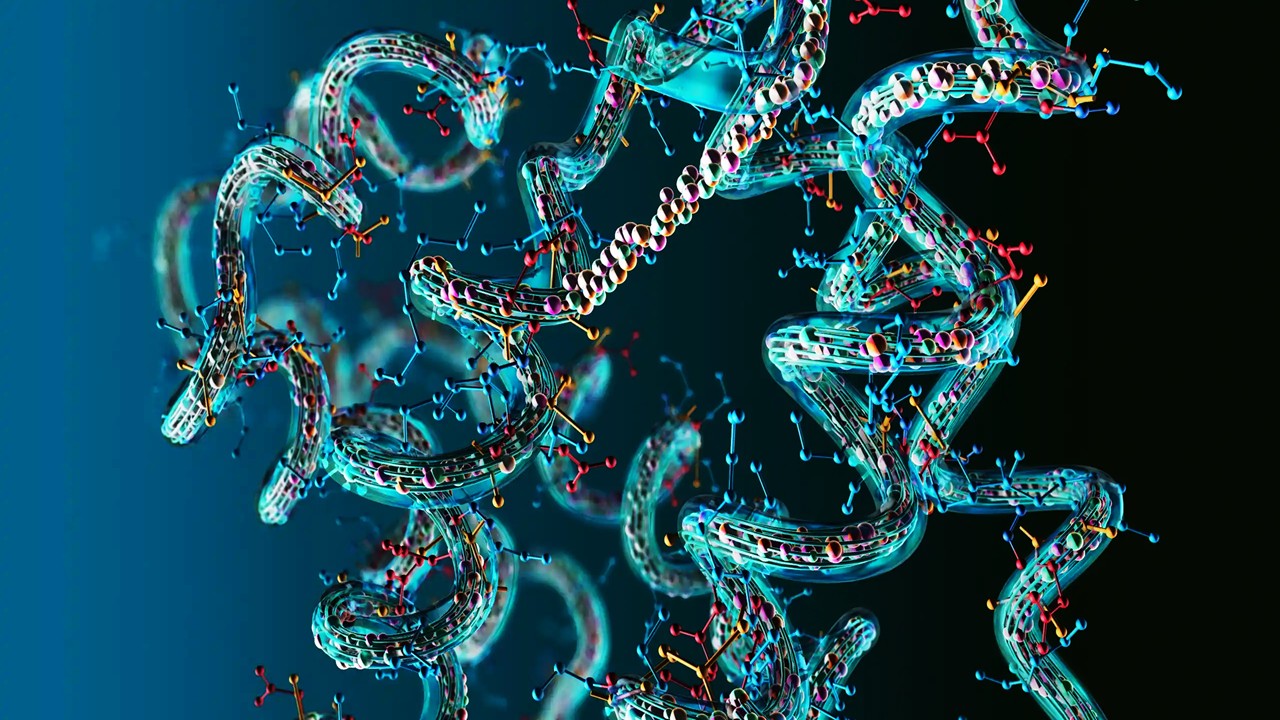
Peptide Scaffolds: Programming Biomaterials for Regeneration
Peptide biomaterials are programmable building blocks that rewire scaffolds into active agents of tissue repair.
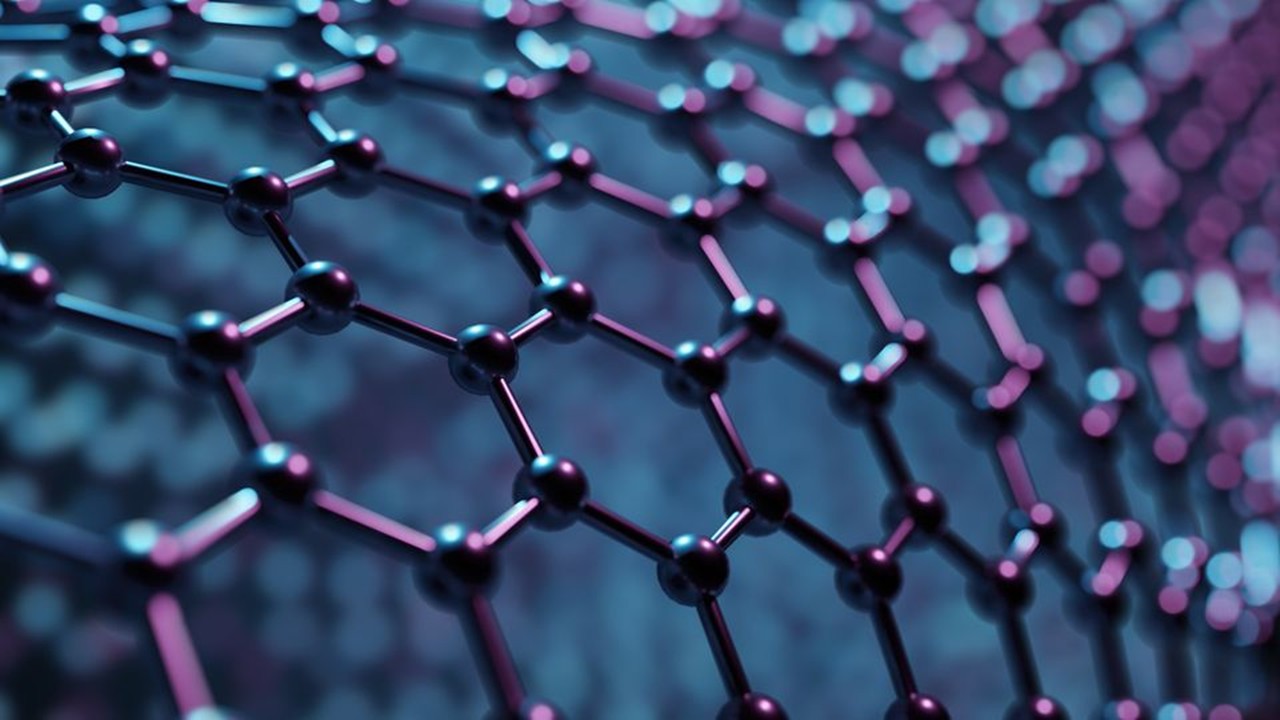
Carbon Conductors, Living Sensors: Graphene Substrates Steer Inner Ear Lgr5+ Progenitors Toward Hair-Cell Identity
Electroconductive graphene scaffolds guide Lgr5⁺ progenitors toward bona fide hair-cell phenotypes by aligning membrane biophysics with lineage-specifying transcriptional cues.
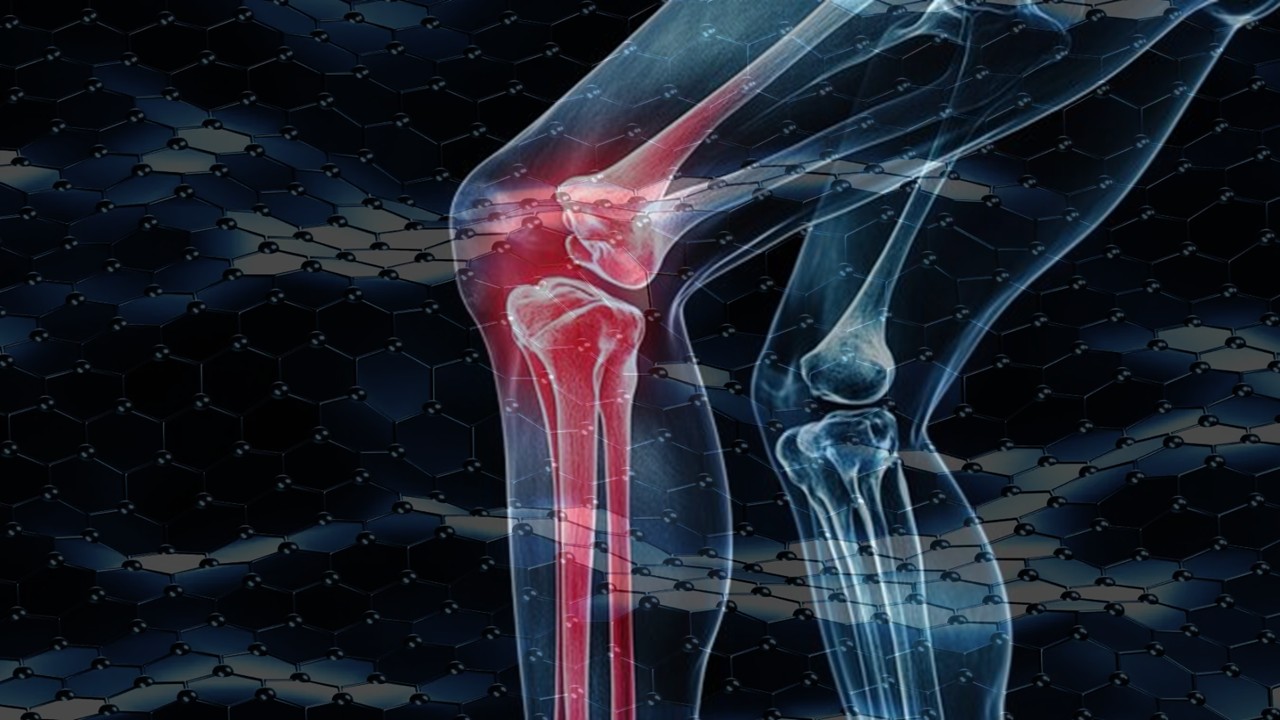
Graphene Horizons: Antibacterial Frontiers and Osteoinductive Potentials with Two-Dimensional Carbon
Graphene is transforming orthopedic medicine by uniting structural, biochemical, and catalytic properties into next-generation implants for bone and cartilage repair.

Viral Threads in Living Gels: GelMA Matrices with Turnip Mosaic Virus Enable Nanostructured Constructs for Tissue Engineering
Plant viral nanofibers embedded in GelMA act as programmable threads that shape, signal, and strengthen tissue-engineered constructs.
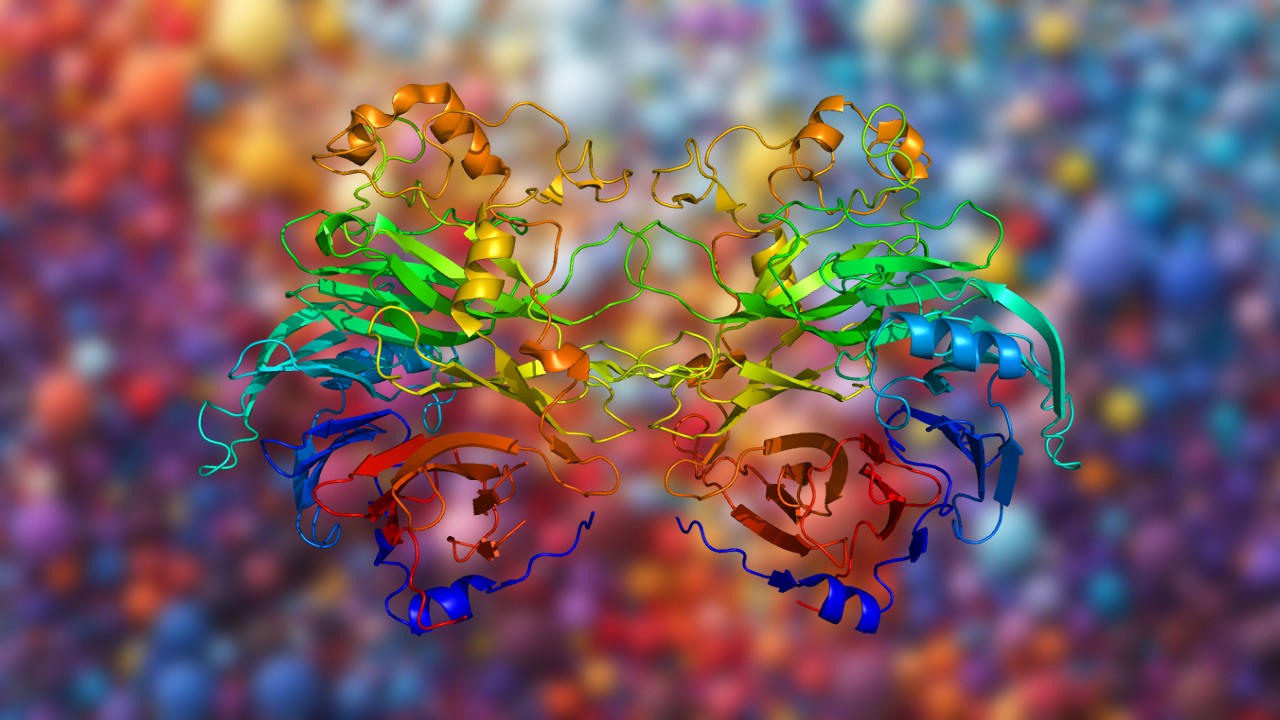
Nerve Cues Before Vessels: Semaphorin 3A as a Bioactive Conductor in Bone Formation
Semaphorin 3A directs sensory nerves and type H vessels to sequentially structure bone formation during in situ osteogenesis.

Healing Metals: A Dual-Action Bioactive Coating for Smarter Vascular Stents
Chitosan-salvianolic acid B coatings provide a biomaterial strategy that integrates sustained drug release with cellular selectivity to improve vascular healing after stenting.
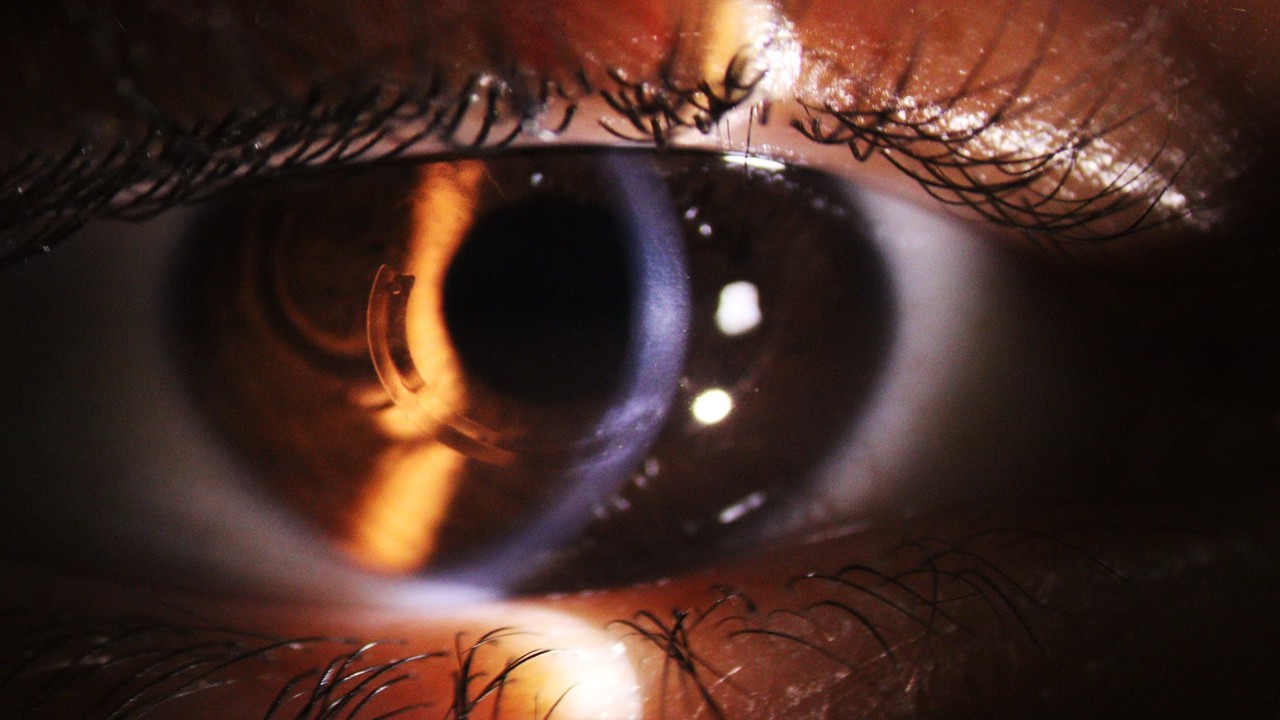
Beaming New Vision: How Electron-Sterilized Corneal Implants Maintain Regenerative Potential
Next-generation corneal implants combine engineered collagen stability with electron-beam sterilization to deliver safe, effective alternatives for vision restoration.
Adaptive Antimicrobial Innovations: A Smart Fibrous Membrane for Controllable Efficacy
The PNIPAm-NMA-Ac membrane highlights interdisciplinary innovation in addressing global antimicrobial challenges.
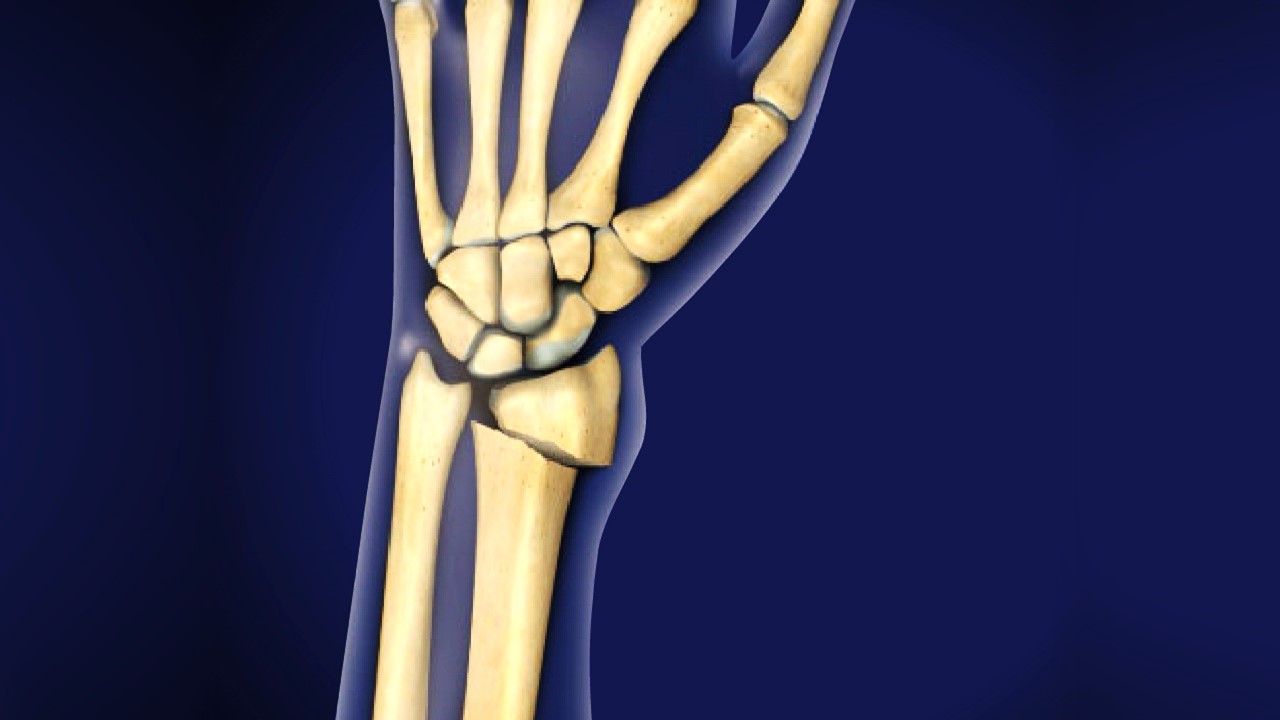
Calcium-Magnesium-Silicon Synergy: A New Frontier in Bone Regeneration Engineering
The study of Ca-Mg-Si-based multiphase bioceramics marks a significant step forward in biomaterials science.