PDEδ degradation disrupts KRAS membrane localization to collapse oncogenic signaling through spatial pharmacology rather than direct enzymatic inhibition.
Dr. Mark Nelson of Neumedics outlines how integrating medicinal chemistry with scalable API synthesis from the earliest design stages defines the next evolution of pharmaceutical development.
Senior Director Dr. Leo Kirkovsky brings a rare cross-modality perspective—spanning physical organic chemistry, clinical assay leadership, and ADC bioanalysis—to show how ADME mastery becomes the decision engine that turns complex drug systems into scalable oncology development programs.
Stimuli-responsive STING nanomedicine is an effort to make innate immune activation behave like a gated, tumor-local event rather than a body-wide inflammatory signal.
Dr. Joseph Stalder of Zentalis Pharmaceuticals examines how predictive data integration and disciplined program governance are redefining the future of late-stage oncology development.
Global pharmaceutical access improves when IP, payment, and real-world evidence systems are engineered as interoperable feedback loops rather than isolated reforms.
EEDEE Law’s expansion and the addition of Helen Montevago reflect a systems-engineering approach to clinical trial governance where ethics, operational execution, and regulatory readiness are built into the workflow.
Hovione’s repeated Top Employer certification highlights how advanced pharmaceutical organizations are engineering human-capital systems with the same rigor applied to manufacturing and development processes.
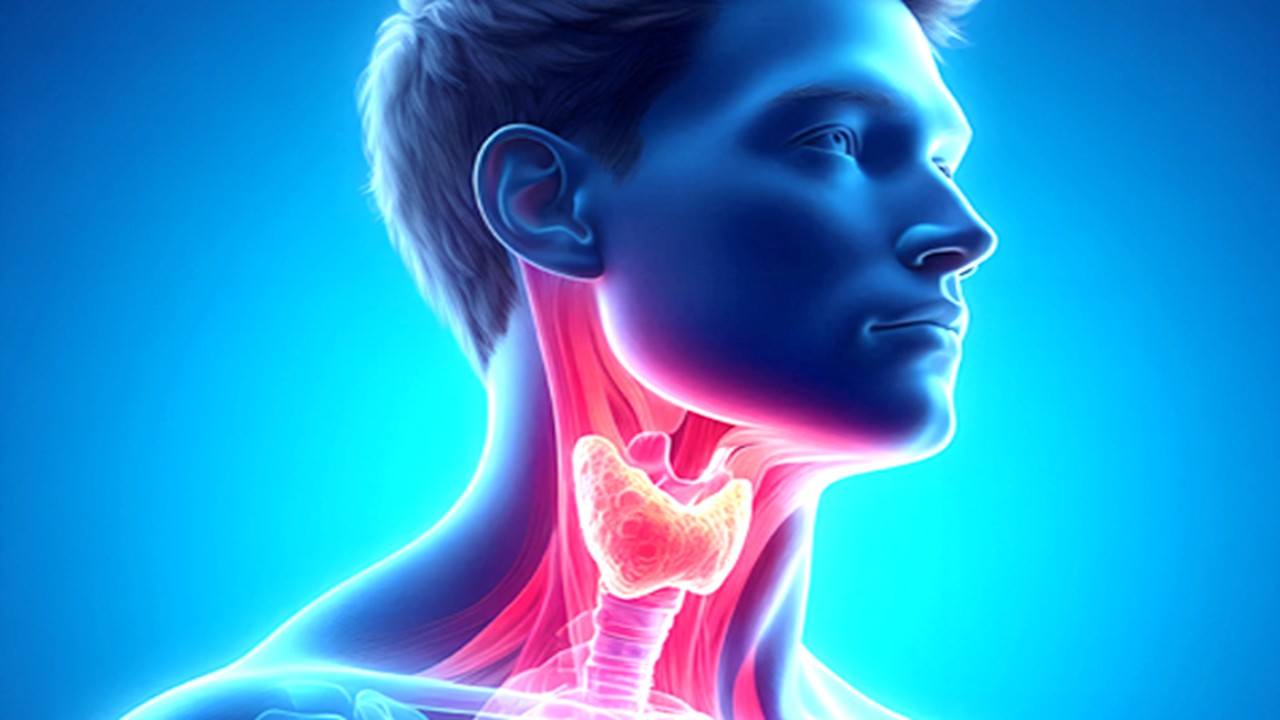
The evolving science of thyroid nodules reflects the broader transformation of medicine, balancing technological sophistication with the urgent need for holistic, patient-centered care.
A new era of quality control must accompany the rise of genome editing—one that is just as sophisticated, scalable, and transparent as the technologies that made GMCLs possible.
Natural infection with dominant GII noroviruses elicits long-lived functional antibodies, redefining immune durability in viral gastroenteritis.
Through their partnership, Cycle Pharmaceuticals and Inceptua Group illustrate how operational excellence and access strategy can be as decisive as scientific innovation in rare and degenerative disease therapeutics.
Post-traumatic cytokine signaling exposes the complex and divergent immunological processes that shape acute and subacute spinal cord injury outcomes.
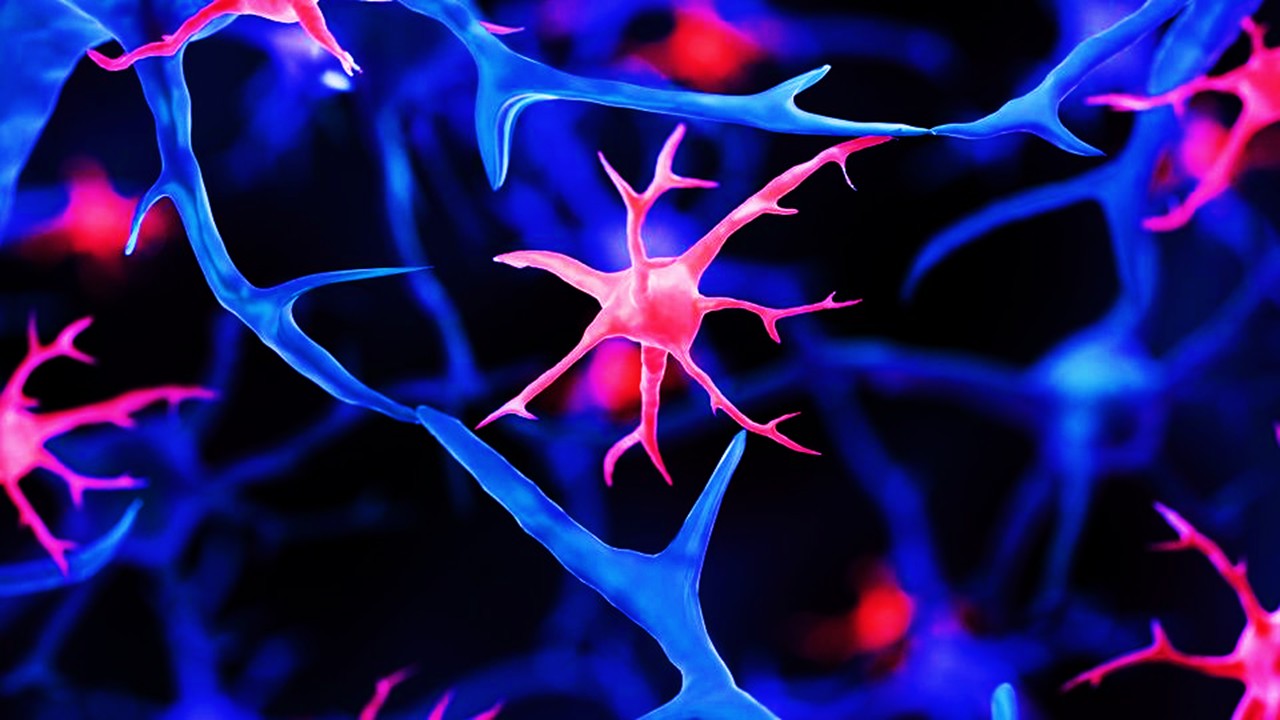
Antibiotic-driven modulation of glial activity offers a powerful mechanistic framework for developing precision treatments in neuropathic pain.
Predicting response to anti-CGRP monoclonal antibodies requires integrating sensory phenotypes, psychological states, biological markers, and migraine history into a unified mechanistic framework.
13th of May, 2026
Learn more14th of May, 2026
Learn more18th of May, 2026
Learn more19th of May, 2026
Learn moreThis website uses cookies to improve your experience. We'll assume you're ok with this, but you can opt-out if you wish. Cookie settings