About the Expert
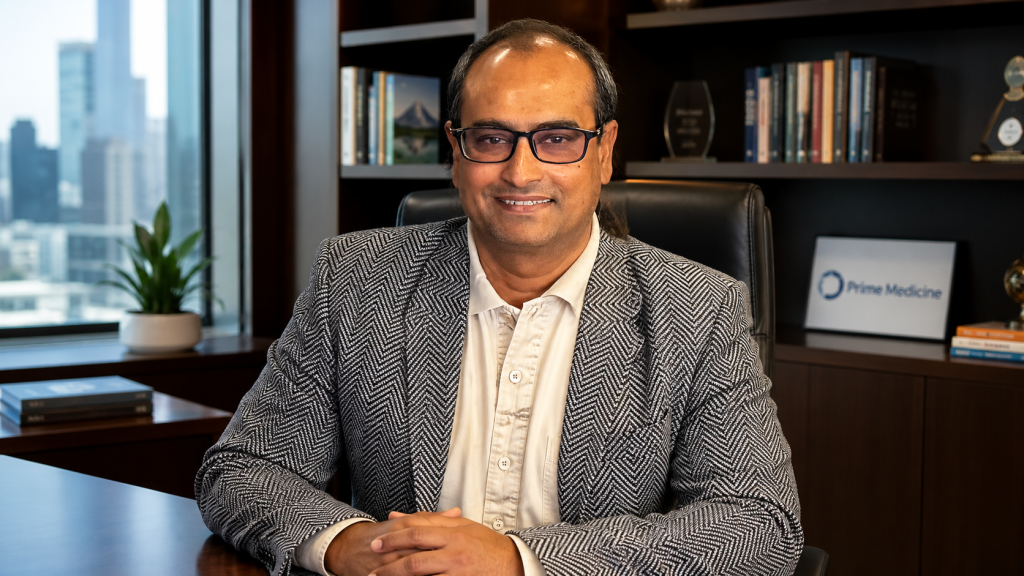
Rowshon Alam is the Vice President and Head of Chemistry at Prime Medicine, Inc.
Dr. Rowshon Alam is a leading expert in oligonucleotide chemistry and a biopharma executive with over 25 years of experience across academia and industry. He currently serves as Vice President of Guide RNA Chemistry, Lipids, and In-Process Analytics at Prime Medicine in Watertown, Massachusetts. He holds a Ph.D. in Synthetic and Bio-organic Chemistry from Kyushu University (Japan) and brings over 25 years of expertise in oligonucleotide synthesis, technology transfer, process development, CMC strategy, and regulatory support.
Throughout his career, he has worked at renowned institutions and companies, including Kyushu University, the NIH, Alnylam Pharmaceuticals, Nitto Denko Avecia (Girindus America), and Wave Life Sciences. He is a co-author of more than 20 peer-reviewed publications and holds international patents in oligonucleotide technologies and contributed to a number of CTA fillings through technical documentation.
Dr. Alam has been deeply involved in addressing complex challenges in oligonucleotide technology transfer, gaining extensive hands-on experience in transferring sophisticated manufacturing processes and analytical methods across organizations and global sites and to partners. His work has helped shape how companies manage scale-up, ensure quality, and meet regulatory expectations in this rapidly evolving field.
In this exclusive PharmaFEATURES interview ahead of the Proventa International CMC Strategy Meeting, Dr. Alam shares practical insights on key industry challenges, including impurity control, scalable synthesis, and effective knowledge sharing—offering a clear perspective on how to navigate complexity in oligonucleotide development.
The Discussion
Navigating the Technology Transfer Landscape: How a Career Spanning Synthesis, Scale-Up, and CDMO Partnerships Shaped Your Approach
[Engr. Dex Marco]: It’s such a pleasure to have you here with us, Dr. Alam. So, Rowshon, how has your career journey — from academic oligonucleotide chemistry and conjugate synthesis to industrial scale-up and CDMO collaboration — shaped your strategic approach to technology transfer in modern oligonucleotide manufacturing, particularly in ensuring reproducibility, manufacturability, and long-term scalability across increasingly complex therapeutic platforms?
[Dr. Rowshon]: Expertise in technology transfer of oligonucleotide manufacturing is not a one-time activity — it’s a discipline built over an entire career. I’ve had the opportunity to experience this across many roles, from academia to industry. While the challenges I face today at Prime Medicine are far more complex, the core lessons were shaped earlier through hands-on experience.
During my PhD at Kyushu University followed by JSPS (Japan society for the promotion of science) fellowship & JST/CREST fellow (Japan science & technology agency) and later at the NIH and UNC, I developed a strong foundation in oligonucleotide chemistry, preparation of highly chemically modified oligonucleotides, ASO-ligand conjugate synthesis and learned an important lesson early: successful transfer is not just about documentation. It’s about understanding the “why” behind the process so others can reproduce it reliably. At Alnylam, working on siRNA conjugates-GalNAc, peptide-based, click-chemistry constructs, I began to see how early design decisions directly impact manufacturability and future technology transfer.
My time at Nitto Denko Avecia- working in a CDMO environment-simultaneously receiving transfers from multiple originator clients, executing cGMP campaigns across siRNA, ASO, aptamers, and conjugates, and building the small scale to Scale-Up Synthesis Operating Unit from 5 mg to 50 g production — I saw in granular operational detail what makes transfers succeed or fail. Problems usually happen not because of scientific deficiencies, but because important know-how wasn’t written down or shared.
Wave Life Sciences set an even higher standard: making stereo-defined ASOs with precise chirality is extremely challenging to transfer, because the exact structure at each phosphorus center is a critical quality requirement, not just a minor variation. Leading complex programs, including stereo- defined oligonucleotides with chemical modifications, reinforced the need for rigorous processes, strong analytical strategies, and clear communication. Now at Prime Medicine, I am working on long guide RNA technologies where novel synthesis strategies, adaptability in the design, and exquisite process control are required, making technology transfer both more challenging and impactful.
Analytical Complexity as a Technology Transfer Challenge: Managing Impurity Profiles and Method Transferability
[Dex]: In oligonucleotide manufacturing, analytical method transfer is often challenged by highly sensitive impurity profiles and process-dependent variability. What are the most critical factors for ensuring analytical method robustness and transferability, particularly when managing structurally similar impurities and maintaining consistency between development and QC environments?
[Dr. Rowshon]: Analytical transfer is often the most underestimated challenge in technology transfer. Methods that work perfectly in a development lab can fail when moved to a QC environment, leading to out-of-specification results, batch failures, and costly delays. Having worked on both the sending and receiving sides, I’ve seen that these failures are usually not due to the method itself, but because critical details were never fully identified and/or documented.
In many cases, methods rely on implicit knowledge-specific column types, preparation steps, or tight control of conditions–that scientists in the development lab understand instinctively but are not written down. When transferred, this missing context can lead to inconsistent results. This challenge is even greater for oligonucleotides, where impurities are structurally very similar to the target molecule, making separations highly sensitive to even small changes in conditions.
A common best practice is to design analytical methods with robustness in mind from the start. That means building in enough resolution margin to tolerate real-world variability and using multiple orthogonal techniques — such as chromatographic, electrophoretic, and mass spectrometry-based methods—to ensure reliable impurity detection. Just as importantly, successful transfer requires close collaboration between teams. Hands-on training and shared experience are essential to complement documentation and ensure the method performs consistently across sites.
Process Robustness and Scalability as Transfer Prerequisites: What Must Be True About a Solid-Phase Synthesis Process Before It Can Be Successfully Transferred
[Dex]: In solid-phase oligonucleotide manufacturing, successful technology transfer depends not just on whether a process works, but whether it is truly robust, scalable, and cGMP-ready. From your experience, what level of process understanding, control strategy, and scale-up readiness is essential before a synthesis process can be reliably transferred across manufacturing environments?
[Dr. Rowshon]: A fundamental principle in oligonucleotide CMC is that successful technology transfer requires both sufficient process understanding and demonstrated robustness. Across the industry, organizations sometimes move to technology transfer too early due to development timeline pressures. This can lead to processes that appear to work but are fragile and difficult to reproduce at a manufacturing site. True process robustness means the process performs reliably not just under ideal lab conditions, but across the realistic variability of a cGMP environment.
For solid-phase oligonucleotide synthesis, robustness must be built at the level of each nucleotide cycle. Small inefficiencies at individual steps can accumulate and significantly impact final product quality. This does not require perfect scientific understanding of every detail, but it does require a strong process control strategy, a well-characterized process, including identifying critical parameters, defining acceptable operating ranges, and putting practical in-process controls in place to detect deviations early. Without this level of understanding, successful and reliable transfer becomes challenging.
Scale-up and downstream processing also introduce major risks if not properly addressed. Moving from lab to manufacturing scale brings predictable engineering changes in mixing, flow, and heat transfer that must be managed thoughtfully. Similarly, purification and final processing steps such as ultrafiltration and lyophilization are highly sensitive to equipment and operating conditions. Effective scale-up and transfer requires focusing on the right structured, data-driven and practical engineering work, ensuring the processes are robust, well-characterized, and adaptable to the manufacturing environment.
Control Strategy and CMC Readiness: How Early Design Mitigates Technology Transfer Risk
[Dex]: In oligonucleotide CMC development, technology transfer challenges often originate during process and control strategy design rather than during execution itself. How can early definition of control strategy, CQAs, CPPs, and evolving specifications reduce downstream technology transfer risk and strengthen long-term manufacturing readiness for complex oligonucleotide programs?
[Dr. Rowshon]: Control strategy is often treated as a regulatory requirement, but in reality, it is fundamental for successful technology transfer. If it is developed too late or only for submission purposes, it may define specifications but fail to guide manufacturing teams on how to consistently meet them. An effective control strategy should clearly explain what matters for product quality and how the process ensures those attributes are maintained.
The foundation of a strong control strategy is the clear identification of Critical Quality Attributes (CQAs) and their link to Critical Process Parameters (CPPs). For oligonucleotides, this includes attributes such as sequence identity, purity, and other molecule-specific characteristics. When these are well defined and supported by robust analytical methods, they provide a clear framework for both development and manufacturing. More importantly, they help CDMO partners understand not just what to do, but why it matters—enabling better decision-making during production.
A forward-looking approach to specifications is also critical. Instead of setting limits only for the current stage, it is important to plan how specifications will evolve as the program advances. This allows both internal teams and CDMO partners to prepare for future requirements and avoid late- stage surprises. Early engagement with regulatory agencies further strengthens this process, especially for novel modalities, by aligning expectations and building confidence in the overall CMC strategy.
Structures and Practices for Seamless Cross-Functional Knowledge Transfer: Bridging R&D, Manufacturing, and CDMO Partners Across the Full Technology Transfer Lifecycle
[Dex]: In oligonucleotide manufacturing, technology transfer often fails not because of weak science, but because critical process knowledge is fragmented across R&D, manufacturing, quality, and CDMO teams. What organizational practices and risk-based strategies are most critical for successfully transferring both technical knowledge and operational know-how across the full technology transfer lifecycle?
[Dr. Rowshon]: One of the biggest challenges in technology transfer is the gap between what is known and what is documented. Much of the critical process knowledge exists as experience in the minds of development scientists and is never fully written down. When a process is transferred, this missing context can lead to errors, delays, and inconsistent performance at the receiving site.
To address this, it is important to capture not just the “how,” but the “why” behind a process step or condition. This includes documenting critical parameters, known risks, and practical insights that teams have learned through experience. Just as important is building strong cross-functional collaboration between development, manufacturing, quality, and CDMO teams. Open communication and hands-on interaction allow questions to be asked and knowledge to be shared in ways that documentation alone cannot achieve.
A structured, risk-based approach further strengthens technology transfer. By identifying high-risk steps early and testing them before full transfer, teams can avoid costly surprises. Clear, practical documentation and focused training also play a key role. Ultimately, the goal is not just to transfer a process, but to ensure the receiving team has appropriate process knowledge, so they can operate it confidently and handle challenges effectively.
Integrating Analytical, Process, and Manufacturing Readiness: Preventing Late-Stage CMC Bottlenecks
[Dex]: Late-stage oligonucleotide programs often face costly CMC bottlenecks despite early technical success. What are the most common drivers of late-stage manufacturing delays, and how can organizations better align process understanding, analytical readiness, material strategy, and cross-functional knowledge transfer to reduce execution risk during GMP scale-up and PPQ manufacturing?
[Dr. Rowshon]: Late-stage CMC bottlenecks are costly and, in oligonucleotide programs, quite common. By this stage, processes are already operating under GMP and progressing toward larger-scale or PPQ batches. However, delays can still arise when key factors were not fully addressed earlier. For example, insufficient attention to starting material variability or critical reagents can lead to unexpected issues at scale. Gaps in process knowledge can also create problems. Even if a CDMO successfully manufactured the process in the past, changes in operators, supervisors, or leadership over time can impact execution. These challenges highlight the importance of maintaining strong process understanding and ensuring teams are properly trained and aligned before entering late-stage manufacturing.
At the core of many of these issues is a lack of integration. Analytical, process, and manufacturing functions may have been developed successfully, but not always in a fully connected way. When alignment is incomplete, important risks can go unnoticed until they impact execution. A more effective model is continuous integration—where these functions remain closely linked throughout development and into manufacturing. This ensures that decisions are informed by downstream needs, risks are identified earlier, and knowledge is retained even as teams evolve.
In practice, this means making risks visible and knowledge transferable. Industry approaches such as CMC risk registers, proactive evaluation of material and reagent variability, and early ongoing engagement with manufacturing partners can significantly reduce the surprises. Equally important is clear documentation and deliberate knowledge transfer, so that process understanding is not lost over time. When these elements are in place, programs are better positioned to move through late- stage manufacturing smoothly, avoiding costly delays and maintaining confidence in execution.
The Future of Technology Transfer in Oligonucleotide Therapeutics: From Transactional Milestone to Strategic Organizational Capability
[Dex]: As oligonucleotide therapeutics advance toward increasingly complex modalities such as gene editing and RNA-based therapies, traditional technology transfer models are rapidly becoming obsolete. As Vice President and Head of Chemistry at Prime Medicine, how does Rowshon Alam, Ph.D. see technology transfer evolving from a transactional handoff into a continuous, strategic capability that integrates development, manufacturing, CDMO collaboration, digital infrastructure, and long-term organizational expertise?
[Dr. Rowshon]: The future of oligonucleotide therapeutics holds tremendous promise, with new modalities like gene editing and RNA-based therapies opening the door to treating patients with previously untreatable diseases. However, the manufacturing and technology transfer capabilities needed to support these often complex, multicomponent innovative therapies are still evolving. This gap between scientific progress and operational readiness is one of the key challenges the field must address.
Traditionally, technology transfer has been treated as a one-time, transactional event. That model is no longer sufficient for complex modalities. Instead, the field is moving toward a more continuous and collaborative approach, where development and manufacturing teams work together throughout the product lifecycle. Digital tools, real-time data sharing, and stronger partnerships with CDMOs will play a critical role in enabling this shift.
Looking ahead, success will depend on building robust platforms, advancing regulatory frameworks, and, most importantly, developing talent. The demand for scientists who can integrate chemistry, analytics, process development, and manufacturing is growing rapidly. Organizations that invest in these capabilities, both technological and people, will be best positioned to deliver the full potential of oligonucleotide therapeutics to patients.
Engr. Dex Marco Tiu Guibelondo, B.Sc. Pharm, R.Ph., B.Sc. CpE
Editor-in-Chief, PharmaFEATURES
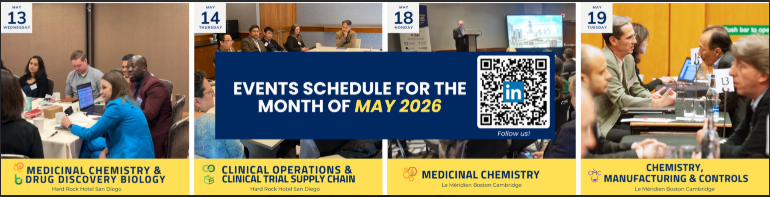
Join Proventa International’s Chemistry, Manufacturing & Controls Strategy Meeting at Le Méridien Boston Cambridge, Massachusetts, USA on the 19th of May 2026 to learn more about Prime Medicine, Inc. and Dr. Alam.
Subscribe
to get our
LATEST NEWS
Related Posts
Interviews
The Future of RNA CMC: Early Strategy, Smart Outsourcing, and Fully Integrated Development Architectures with Hagen Cramer, Ph.D., QurAlis CTO
Breaking CMC bottlenecks in RNA therapeutics is no longer a technical challenge, it is a strategic imperative under Hagen Cramer’s biotech leadership at QurAlis.

Interviews
De-Risking Biotech Investment Through CMC: Aligning Process Development, Manufacturing, and Market Viability with Seshu Tummala, PhD
From scaling gene-editing pipelines at CRISPR Therapeutics to leading end-to-end drug substance manufacturing at Uniquity Bio, Dr. Seshu Tummala defines how CMC strategy transforms breakthrough science into scalable, real-world therapeutics.

Interviews
Financing the Future of Health: Navigating Biotech Investment Risks and Rewards with David Crean, Cardiff Advisory LLC & 1004 Venture Partners
A deep dive into how strategic biotech investments balance scientific innovation with financial foresight in an era redefining the economics of health.

Read More Articles


Medicinal Chemistry & Pharmacology
April 14, 2026
Igor Nasonkin and Phythera Therapeutics: Moving Oncology Beyond Single Targets into Engineered Polypharmacologic Systems
Igor Nasonkin’s systems-driven approach at Phythera Therapeutics reframes oncology drug development from single-target inhibition to AI-enabled polypharmacologic network modulation using nature-derived molecular architectures.


Artificial Intelligence and Data Analytics
April 10, 2026
Inside Johnson & Johnson’s External Innovation Engine: Devin Swanson on Translating Integrated Discovery into Strategic Value
Devin Swanson’s leadership at Johnson & Johnson Innovative Medicines redefines external innovation as a tightly governed, AI-enabled translational system integrating multi-modal drug discovery, biomarker strategy, and capital-efficient execution.
Immunology & Oncology
April 9, 2026
From DMPK to Distributed Execution: Mehran F. Moghaddam’s Systems Strategy at OROX BioSciences, Inc.
A systems-level examination of how Mehran F. Moghaddam operationalizes DMPK, externalized R&D, and lipid-mediated therapeutics into a predictive, high-velocity biotech development architecture.


Artificial Intelligence and Data Analytics
March 31, 2026
From Data to Decision: Shicheng Guo’s Systems Approach to AI-Enabled Drug Development
A systems-level analysis of how Shicheng Guo is architecting AI-driven, human data–centric drug development at Arrowhead Pharmaceuticals.

Medicinal Chemistry & Pharmacology
March 30, 2026
Drugging mRNA with Small Molecules: David Weitz on Platform Strategy at Syrna Therapeutics
David Weitz of Syrna Therapeutics explores how small molecule modulation of mRNA, enabled by AI-driven discovery and platform-centric execution, is redefining the boundaries of druggable biology.