About the Interviewee
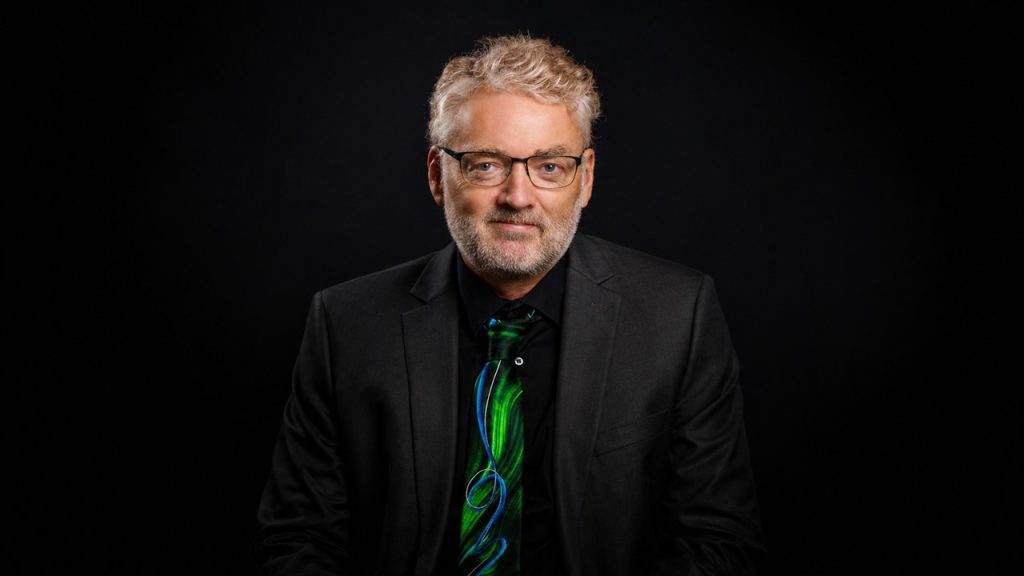
Hagen Cramer is the Chief Technology Officer at QurAlis.
As the QurAlis CTO, Dr. Hagen Cramer leads the strategic integration of chemistry, manufacturing, and controls (CMC) across next-generation RNA therapeutics. With decades of experience in oligonucleotide development and cGMP manufacturing, he has built a reputation for translating complex molecular innovations into scalable, regulatory-ready production systems. His leadership spans both internal operations and global outsourcing networks, positioning manufacturing not as a downstream function, but as a core driver of therapeutic success.
Dr. Cramer earned his Ph.D. in Chemistry (magna cum laude) from University of Konstanz, where his research focused on the synthesis of novel phosphoramidites for modified oligoribonucleotides. He also studied chemistry at RWTH Aachen University. Across his career, he has held senior leadership roles at WAVE Life Sciences Ltd., Nitto Denko Avecia, Inc., and GIRINDUS America (Solvay Group), where he led process development, manufacturing scale-up, and validation strategies supporting global regulatory filings across the U.S. and Europe.
An expert in oligonucleotide therapeutics, Dr. Cramer has driven the advancement of stereopure synthesis, process validation frameworks, and high-precision analytical characterization methods. His work has enabled the reliable scale-up of complex RNA modalities under stringent cGMP conditions, while ensuring alignment with evolving regulatory expectations. He has also contributed extensively to the scientific literature and holds patents in oligonucleotide manufacturing technologies, reflecting a career grounded in both innovation and execution.
A recognized leader in CMC strategy, Dr. Cramer continues to shape how RNA therapeutics are developed, manufactured, and delivered at scale. His approach emphasizes early-stage integration of process design, outsourcing strategy, and regulatory alignment to overcome systemic bottlenecks in drug development. Through this lens, he remains a key voice in advancing the industrialization of RNA-based medicines and enabling their transition from experimental platforms to clinically and commercially viable therapies.
The Discussion
From Oligonucleotide Chemistry to CMC Leadership: Architecting End-to-End RNA Development Systems
[Engr. Dex Marco]: It’s such a pleasure to have you here with us, Dr. Cramer. So, Hagen, your journey from pioneering oligonucleotide chemistry to leading CMC and manufacturing organizations at scale, and now as CTO at QurAlis, how has this progression shaped your approach to architecting fully integrated RNA therapeutic development systems from process development through commercialization?
[Dr. Hagen]: Thank you, Dex. I basically spent my entire career making oligonucleotides and advancing them for therapeutic applications. I started as a bench chemist. This was during my time as a PhD student and as postdoc at the NIH in Bethesda, MD. I then joined a small biotech startup focusing on R&D. I moved several of those molecules into preclinical studies. I joined Girindus, which became part of Avecia, one of the biggest CDMOs in the oligonucleotide world. There I worked on a lot of different chemistries with many different clients, developing processes at small scale all the way through large-scale GMP manufacturing.
Later in my career I moved back to the sponsor side; I joined Wave Life Sciences in early 2016 and in 2020 QurAlis as CTO, overseeing all CMC- related activities. My wealth of experience in the oligo space, supporting programs from early R&D through late-stage clinical development, allows me to make smarter decisions and act proactively. Everything needs to be evaluated using a risk-based approach. You want to be ahead of the curve, being prepared for the next step, so you can work based on a plan and not just react to problems and setbacks after they have already occurred.
CDMO Alignment as a Strategic Lever: Eliminating Friction Across Sponsor–Partner Interfaces
[Dex]: In RNA therapeutics, CDMO misalignment often becomes a hidden source of delay and cost, what concrete governance models, communication frameworks, or technical integration strategies do you use to eliminate friction and ensure executional alignment between sponsors and CDMO partners?
[Dr. Hagen]: It’s important to understand the difference of priorities of a sponsor in comparison to a CDMO. As a small biotech sponsor, you have a couple or so programs you are committed to, and you do everything in your power to make sure they move forward and you can deliver on time. A CDMO has dozens or hundreds of programs, and they are working with many sponsors. While both want a program to succeed, if something falls behind, for a sponsor it could be devastating to the viability of the company. Also, as a sponsor it is important to build a good relationship with your CDMO. A CDMO will try harder to make it happen if they know and value you as a customer. You also need to make sure the scope is defined clearly prior to the start of the work. That’s important for both sides so there are no unpleasant surprises later: Was the work carried out according to the agreed-upon scope? Is this activity covered or would this be a scope change?
Analytical Readiness from Day Zero: Engineering Consistency Across the Development Lifecycle
[Dex]: Given the structural and impurity complexity of oligonucleotides, how critical is it to establish analytical methods early, and what best practices ensure analytical consistency from early development through late-stage manufacturing and regulatory submission?
[Dr. Hagen]: The most critical analytical method is the HPLC-based purity method, which typically also includes the assay and preferably can be used for drug substance (DS) as well as drug product (DP). It needs to be (1) well-resolving (in oligos there are a lot of closely related impurities which are difficult to resolve from the product peak), (2) stability indicating (ICH requirement) and (3) robust (need to be able to transfer the method to another lab). A little time and money invested up front can work in your favor, as a method which fulfills all three categories might be able to be used from early stage all the way through late-stage clinical development of the program, simplifying batch to batch comparisons. Another factor, which needs to be investigated early, is whether the method can be validated, particularly for ASOs. Due to their high thiophosphate content, ASOs are very sticky, and diligent cleaning and passivation of the column and system needs to be performed to ensure consistent results over time and to avoid analytical artifacts.
The sponsor should consider selecting an analytical CRO for the development of the purity method and then transfer the qualified/validated method to the manufacturing CDMO. Being independent from the manufacturing CDMO has several advantages. First, you find out early in the development cycle if the method is robust enough to be able to get transferred. However, detailed transfer protocols will be necessary and having an analytical oligonucleotide expert in your organization will be critical as the analytical CRO will have little interest in transferring the method they developed with their know-how. Second, you have the analytical CRO as back-up in case there are problems with the implementation of the analytical method. Particularly, the hand-off from AD to QC tends to be difficult as both departments are not always aligned well. Third, it gives you more options when considering and developing a long-term analytical strategy for late-stage clinical trials and commercial.
Critical Raw Materials as Hidden Risk Drivers: Specification Strategy in Oligonucleotide Manufacturing
[Dex]: Raw material variability can quietly undermine product quality, how do you systematically identify critical raw materials in RNA and oligonucleotide synthesis, and how should teams define specifications that balance quality, scalability, and supply chain resilience?
[Dr. Hagen]: Phosphoramidites, or for short amidites, are the most critical raw material in conventional oligonucleotide synthesis. Amidites bring in their own activation so moisture control is critical. But this also means that any reactive impurity will be incorporated directly into the growing oligonucleotide chain. Therefore, purity methods need to be able to resolve these critical impurities, particularly isomeric impurities, as they have the same mass and once incorporated, cannot be identified anymore as mass spectrometry is typically used to detect and quantify closely related impurities.
Tight specifications should be set for critical impurities. Sometimes, novel chemistries will require the use of new amidites where no process history is available yet. For those amidites it will take time to establish and tighten specifications. By-in from regulatory agencies for setting specifications and your overall approach will be an important consideration.
To maintain quality at the amidite supplier, quality agreements need to be in place alerting the CDMO and/or sponsor of any changes to the process, as those could lead to impurity profile changes of the amidite. Any new amidite vendor would have to be evaluated carefully and at a minimum three representative batches will need to be tested for batch-to-batch consistency before qualifying them as a supplier.
Closing Capability Gaps: Strategic Deployment of External Expertise in CMC Programs
[Dex]: When internal teams lack specific technical or regulatory expertise, how should organizations engage consultants or external partners in a way that accelerates execution without fragmenting accountability across the CMC workflow?
[Dr. Hagen]: As discussed earlier, it is not a good strategy to hand off the CMC portion of the program to a CDMO and then hope for the best. With the sponsor being the owner of the program, it is their responsibility to defend the CMC sections with regulatory agencies. Gaps in the CMC package can easily result in delays to the program and this needs to be avoided at all costs. As a sponsor, building your own expertise in analytics, process development, and manufacturing is important. However, it can be difficult to find the right people and in order to generate some redundancy it is a good strategy to work with consultants. Consultants have a lot of know-how in the space, and they work with other customers having similar challenges, working with some of the same CMOs, as the number of CMOs with experience in late-stage and commercial manufacturing of oligonucleotides is limited. It is also advisable to use consultants or consultant agencies to help with quality and regulatory support in the early stages of development.
Designing for Validation: Embedding Scalability, Control, and Regulatory Readiness Early
[Dex]: From your experience in process development, validation, and tech transfer, what are the key process design principles that must be embedded early to ensure scalability, robust control strategies, and smooth regulatory progression?
[Dr. Hagen]: CMC should be consulted already during the discovery phase of the program to evaluate the ease of synthesis and scale-up of a lead candidate. Often slight changes in the structure of the molecule can simplify the manufacturing later, without compromising activity and safety of the molecule. Analytical method development of the purity method should already be considered prior to lead candidate selection. After candidate selection, CMC will be the rate limiting step as the first important phase of development is getting the translational team a representative batch of DS and DP to be used in the GLP-tox studies.
The first GMP batch needs to be made right after the GLP-tox batch, as stability data from the GMP batch is required for the IMPD/IND filings. Stability data from the GLP-tox batch can be used as supporting data, which is critical as it can be used to extend the expiration date of the finished drug product in the clinic. Once the program shows progress in the clinic, the process should be scaled up to a scale which can support commercial demand at least for the first couple of years after approval. It is extremely helpful to have some historical manufacturing data at scale before starting with process validation.
The first step in process validation is to do a risk assessment on the process (FMEA) to understand the critical process parameters (CPPs). Without ever having done a manufacturing at scale, this is very challenging and the FMEA might not identify every parameter which should be explored in Design of Experiment (DoE) studies. Generally, it is recommended to include some level of quality by design (QbD) principles, which can help to explore the design space of certain process parameters. This information can be used to support potential post-approval changes to the process once the process performance qualification batches (PPQ) have been completed and filed with the agencies.
The Future of RNA CMC: Early Planning and Outsourcing as Competitive Infrastructure
[Dex]: Looking ahead, as CTO of QurAlis, how do you see early CMC planning and strategic outsourcing evolving into core competitive infrastructure for RNA therapeutics, and what will distinguish leading organizations from the rest?
[Dr. Hagen]: As RNA therapeutics are a new modality, there are only a dozen or so experienced CDMOs worldwide. New companies are entering the space more or less successfully. It requires a substantial upfront investment to get established as a new CDMO. There are synergies with peptide manufacturing, which is a much more mature and well-established industry. It therefore appears natural to enter the oligo space for a peptide manufacturer. Solid phase oligonucleotide synthesis (SPOS) was introduced in the eighties and has been refined over the years allowing qualities of oligonucleotides to increase dramatically.
Advancements in analytical LC-MS equipment and HPLC columns have been driving these improvements as detection and characterization of impurities have been challenging previously. Solid-phase synthesis is very versatile and has been able to deliver, despite an increase in complexity of oligonucleotide therapeutics. However, there are challenges with solid phase synthesis as a lot of solvents are used during the process making for a high process mass intensity (PMI) and result in sustainability concerns. Liquid-phase oligonucleotide synthesis (LPOS) approaches are more suitable for making very large scales as there are limits to the scale up of solid-phase synthesis to batch sizes of around 100 kg. However, solution-phase approaches do typically still have high PMIs and processes are longer and more labor intensive as the growing oligonucleotide must be precipitated out after each elongation cycle.
New enzymatic processes showing the first successes. Ligation approaches are introduced for the manufacturing of siRNA. Shorter fragments are ligated together and because siRNAs are duplexes one strand can function as template for the other since ligases require a complementary strand. The shorter fragments are typically still made by solid-phase synthesis, but shorter fragments have better yields and purities and a somewhat reduced PMI. The first fully enzymatic approaches are currently being developed. However, the diversity of modifications in current oligonucleotide therapeutics remains a challenge as enzymes need to be developed to accept such a variety of modifications. It appears likely that in the future a variety of technologies will be used for manufacturing depending on modality, scale and complexity of the oligonucleotide.
Engr. Dex Marco Tiu Guibelondo, B.Sc. Pharm, R.Ph., B.Sc. CpE
Editor-in-Chief, PharmaFEATURES
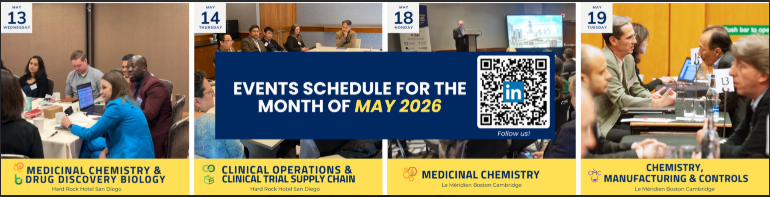
Join Proventa International’s Chemistry, Manufacturing & Controls Strategy Meeting at Le Méridien Boston Cambridge, Massachusetts, USA on the 19th of May 2026 to learn more about QurAlis and Dr. Cramer.
Subscribe
to get our
LATEST NEWS
Related Posts
Interviews
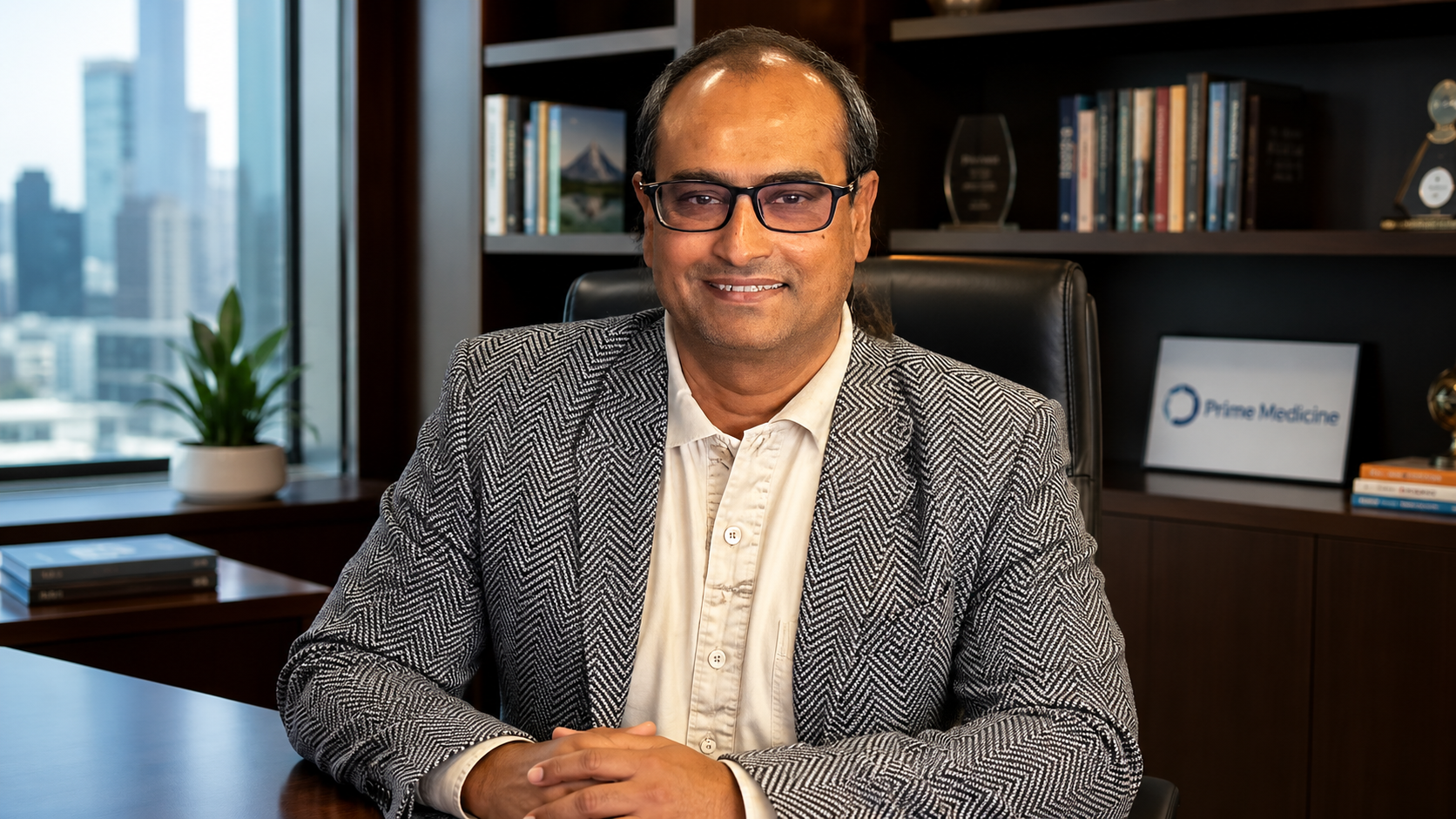
Challenges in Technology Transfer for Oligonucleotide Therapeutics: Analytical Complexity, Process Robustness, and CMC Readiness with Rowshon Alam, Ph.D. — Vice President, Prime Medicine, Inc.
A strategic deep dive with Rowshon Alam, Ph.D. of Prime Medicine on analytical complexity, process robustness, and technology transfer readiness in next-generation oligonucleotide therapeutics.

Interviews
De-Risking Biotech Investment Through CMC: Aligning Process Development, Manufacturing, and Market Viability with Seshu Tummala, PhD
From scaling gene-editing pipelines at CRISPR Therapeutics to leading end-to-end drug substance manufacturing at Uniquity Bio, Dr. Seshu Tummala defines how CMC strategy transforms breakthrough science into scalable, real-world therapeutics.

Interviews
Financing the Future of Health: Navigating Biotech Investment Risks and Rewards with David Crean, Cardiff Advisory LLC & 1004 Venture Partners
A deep dive into how strategic biotech investments balance scientific innovation with financial foresight in an era redefining the economics of health.

Read More Articles


Medicinal Chemistry & Pharmacology
April 14, 2026
Igor Nasonkin and Phythera Therapeutics: Moving Oncology Beyond Single Targets into Engineered Polypharmacologic Systems
Igor Nasonkin’s systems-driven approach at Phythera Therapeutics reframes oncology drug development from single-target inhibition to AI-enabled polypharmacologic network modulation using nature-derived molecular architectures.


Artificial Intelligence and Data Analytics
April 10, 2026
Inside Johnson & Johnson’s External Innovation Engine: Devin Swanson on Translating Integrated Discovery into Strategic Value
Devin Swanson’s leadership at Johnson & Johnson Innovative Medicines redefines external innovation as a tightly governed, AI-enabled translational system integrating multi-modal drug discovery, biomarker strategy, and capital-efficient execution.
Immunology & Oncology
April 9, 2026
From DMPK to Distributed Execution: Mehran F. Moghaddam’s Systems Strategy at OROX BioSciences, Inc.
A systems-level examination of how Mehran F. Moghaddam operationalizes DMPK, externalized R&D, and lipid-mediated therapeutics into a predictive, high-velocity biotech development architecture.


Artificial Intelligence and Data Analytics
March 31, 2026
From Data to Decision: Shicheng Guo’s Systems Approach to AI-Enabled Drug Development
A systems-level analysis of how Shicheng Guo is architecting AI-driven, human data–centric drug development at Arrowhead Pharmaceuticals.

Medicinal Chemistry & Pharmacology
March 30, 2026
Drugging mRNA with Small Molecules: David Weitz on Platform Strategy at Syrna Therapeutics
David Weitz of Syrna Therapeutics explores how small molecule modulation of mRNA, enabled by AI-driven discovery and platform-centric execution, is redefining the boundaries of druggable biology.