Immunology & Oncology
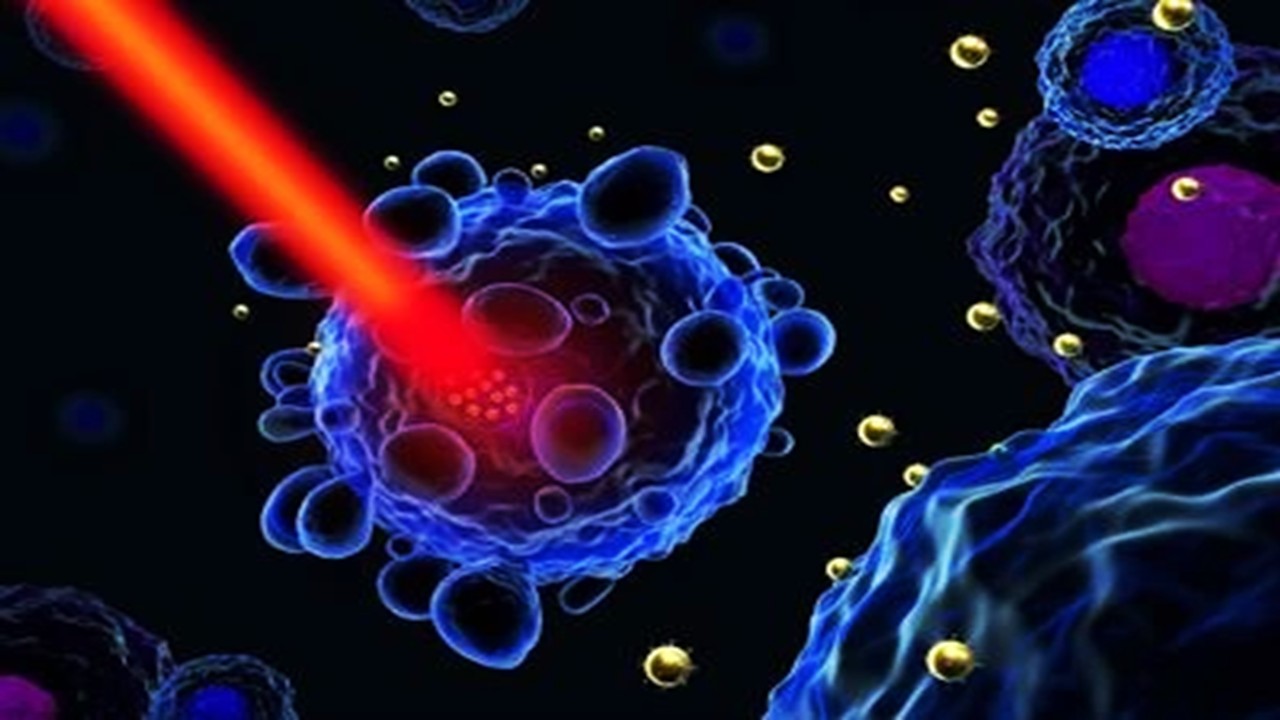


Engineered Viral Fire: Harnessing Genetic Engineering to Refine HSV-1 into a Precision Oncolytic Agent
HSV-1 genetic engineering is redefining oncolytic virotherapy by uniting viral cytolysis, immune modulation, and therapeutic payload delivery into a single precision platform.



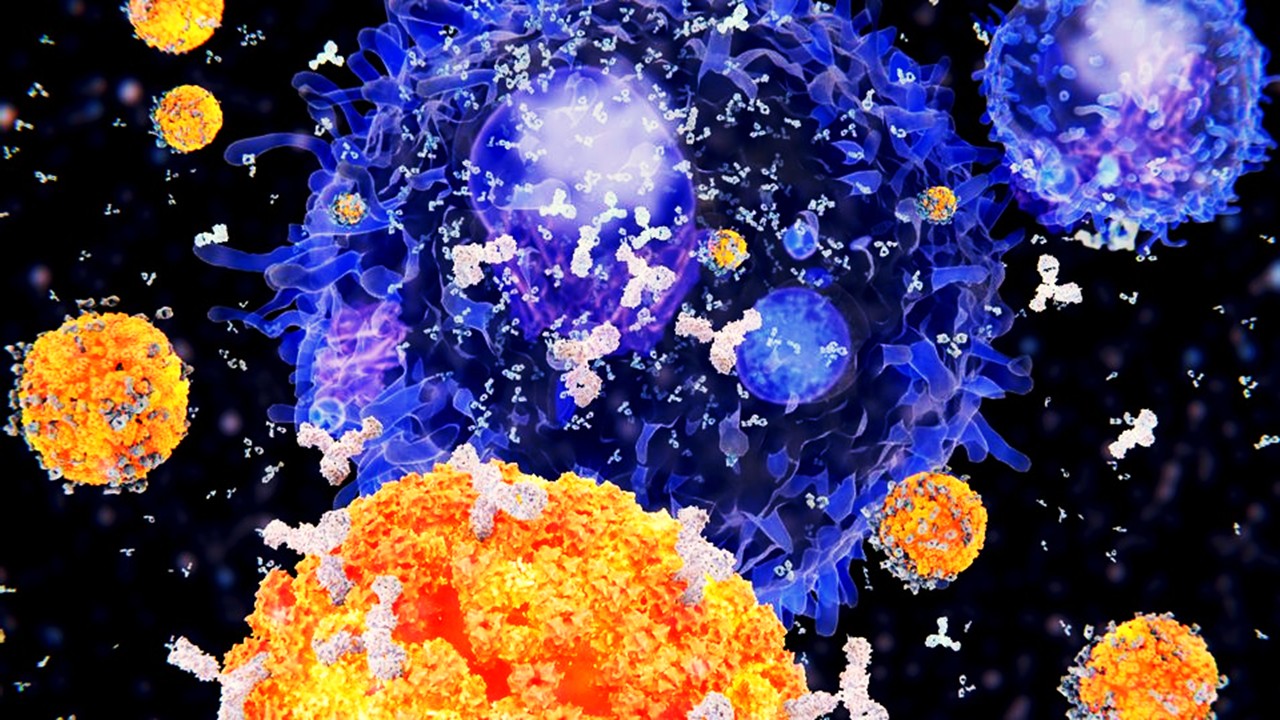
Mapping B Cells: Decoding Antigen-Specific Humoral Dynamics via Rigorous Laboratory and Computational Methods
Modern assays that isolate, phenotype, and sequence antigen-specific B cells provide the mechanistic foundation for precision vaccines and therapeutic antibodies.

Tension as Therapy: Engineering T Cells by Tuning Force-Bearing Receptors in Cancer Immunotherapy
Mechanosensitive receptor biology turns tissue stiffness, ligand geometry, and synaptic traction into actionable control parameters for next-generation T cell therapies.

Signals in the Stack: Charting the Evolution of Triple-Negative Breast Cancer Science with Machine-Learning Bibliometrics
A machine-learning reading of the TNBC literature maps how the field translates mechanism into therapy, highlights nanoparticle-enabled delivery as a rising bridge, and pinpoints gaps where human outcomes and local modalities deserve deeper study.





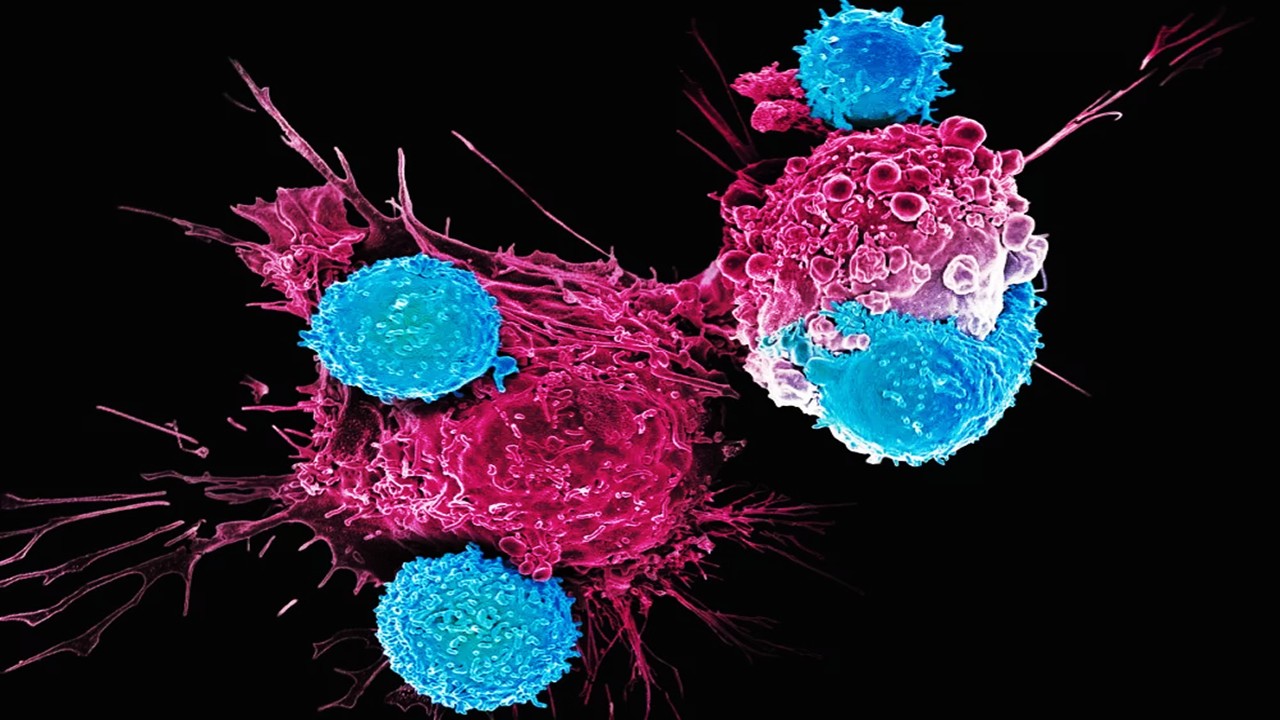

The Silent Guardian: How GAS1 Shapes the Landscape of Metastatic Melanoma
GAS1’s discovery represents a beacon of hope in the fight against metastatic disease.