Medicinal Chemistry & Pharmacology


Pathogenic Targeting 5.0: The Rise of RNA Therapeutics and Peptide-Based Drugs in Modern Medicine
Unlike traditional small-molecule drugs, which interact with proteins, RNA therapies modulate gene expression directly, enabling interventions at the root of disease.
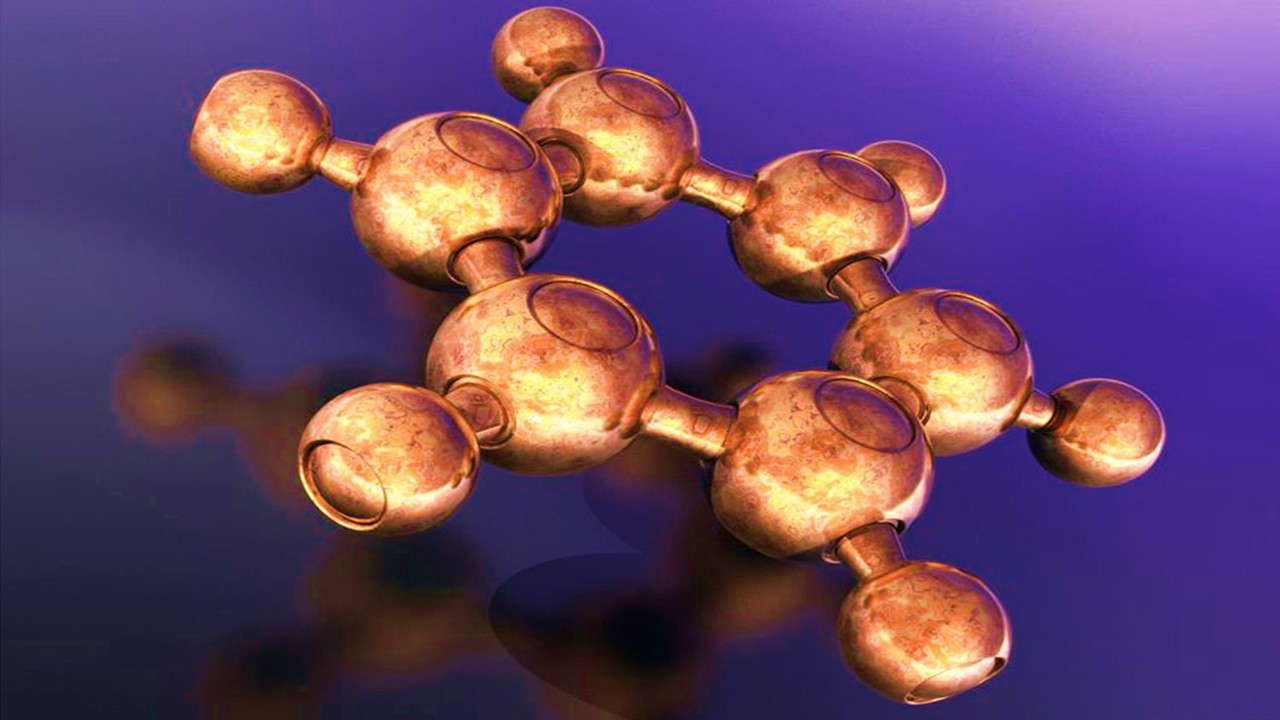
Polarity Alchemy: Strategic Charge Manipulation in Contemporary Drug Design
The future promises tunable therapies with polarity adjustable by light, magnetic fields, or bioorthogonal triggers.

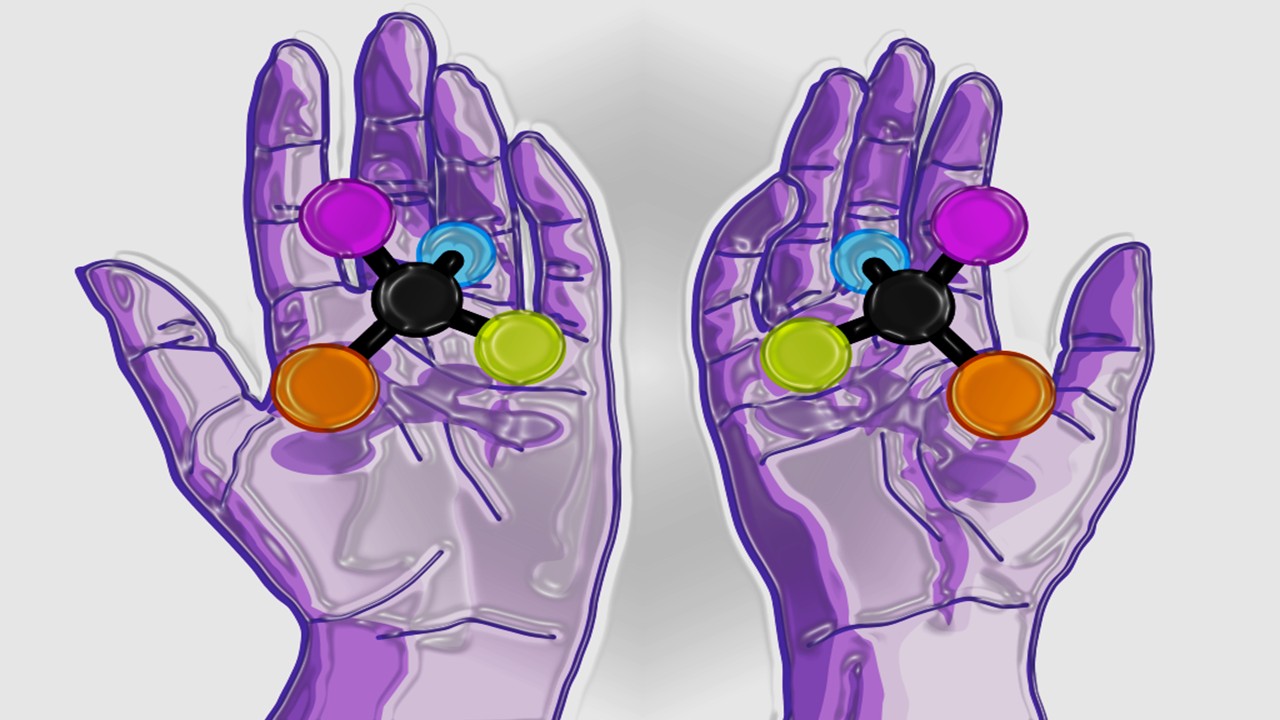
Chiral Warfare: How Mirror Molecules Are Revolutionizing Drug Design
Mirror-image molecules, known as enantiomers, are no longer mere curiosities but powerful tools reshaping drug discovery.
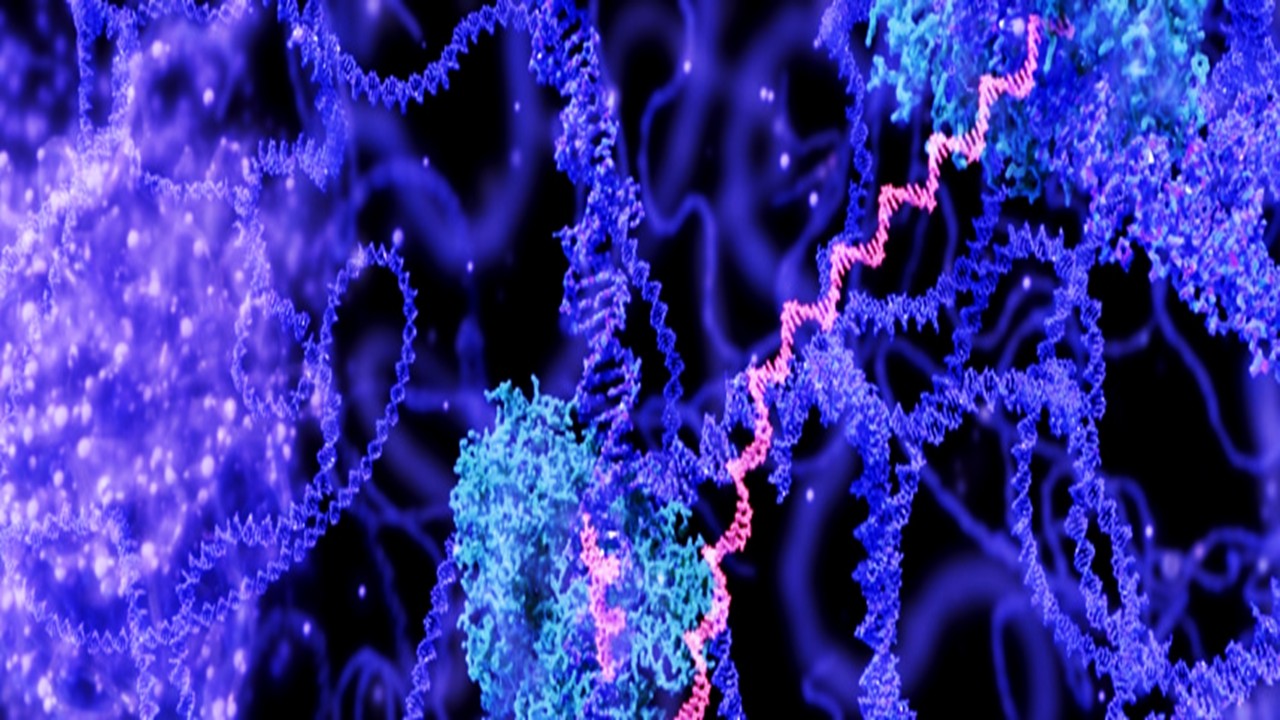


Designing Better Sugar Stoppers: Engineering Selective α-Glucosidase Inhibitors via Fragment-Based Dynamic Chemistry
One of the most pressing challenges in anti-diabetic therapy is reducing the unpleasant and often debilitating gastrointestinal side effects that accompany α-amylase inhibition.
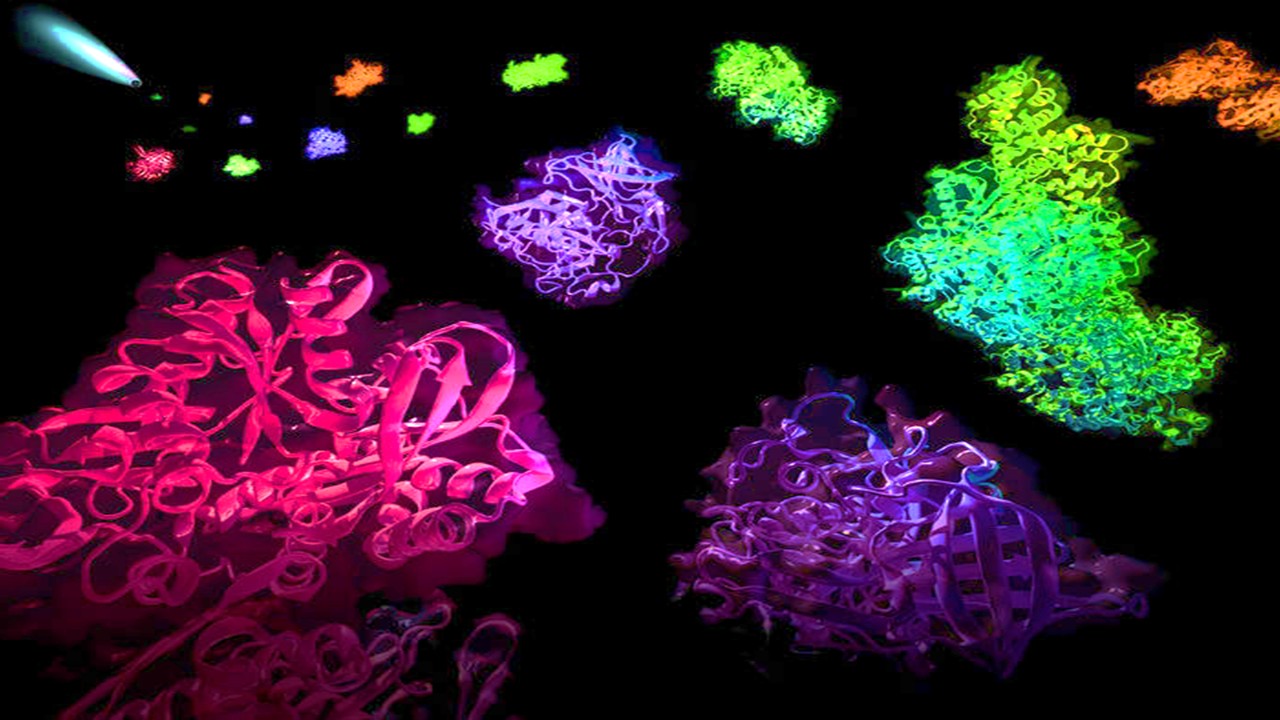

Aerogel Pharmaceutics Reimagined: How Chitosan-Based Aerogels and Hybrid Computational Models Are Reshaping Nasal Drug Delivery Systems
Simulating with precision and formulating with insight, the future of pharmacology becomes not just predictive but programmable, one cell at a time.
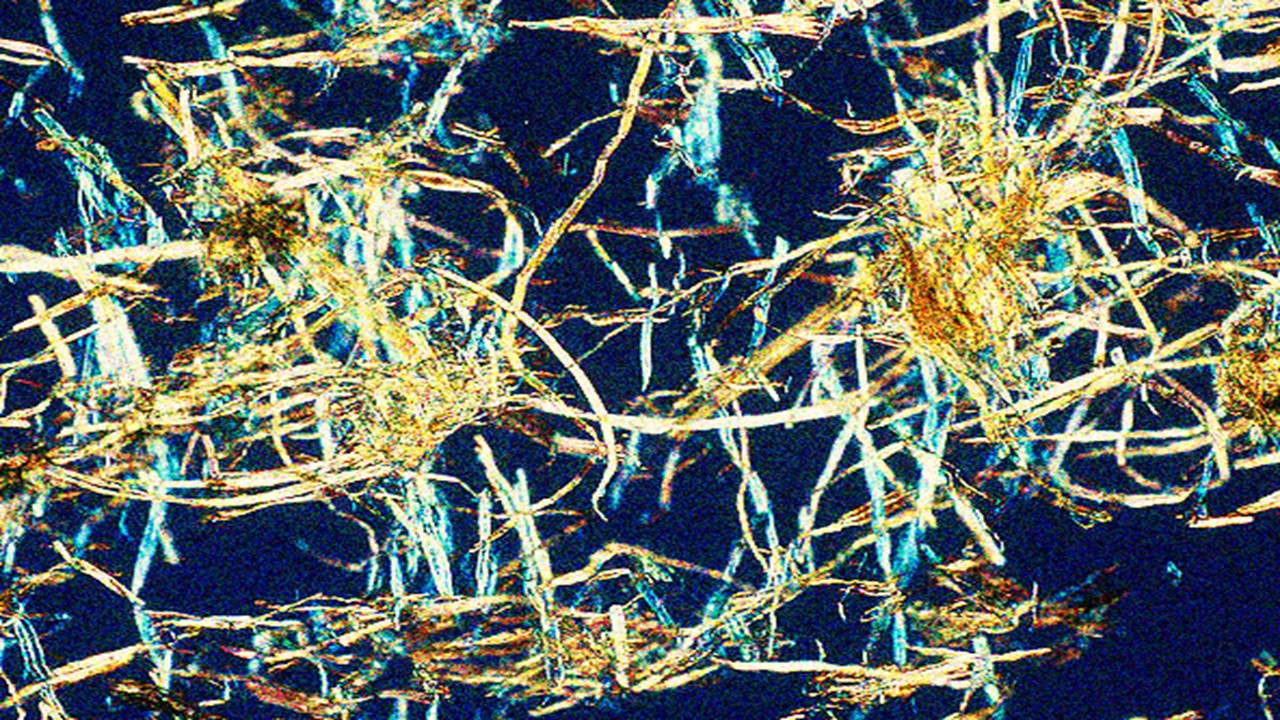
Coprocessed for Compression: Reengineering Metformin Hydrochloride with Hydroxypropyl Cellulose via Coprecipitation for Direct Compression Enhancement
In manufacturing, minimizing granulation lines, drying tunnels, and multiple milling stages reduces equipment costs, process footprint, and energy consumption.

Decoding Molecular Libraries: Error-Resilient Sequencing Analysis and Multidimensional Pattern Recognition
tagFinder exemplifies the convergence of computational innovation and chemical biology, offering a robust framework to navigate the complexities of DNA-encoded science
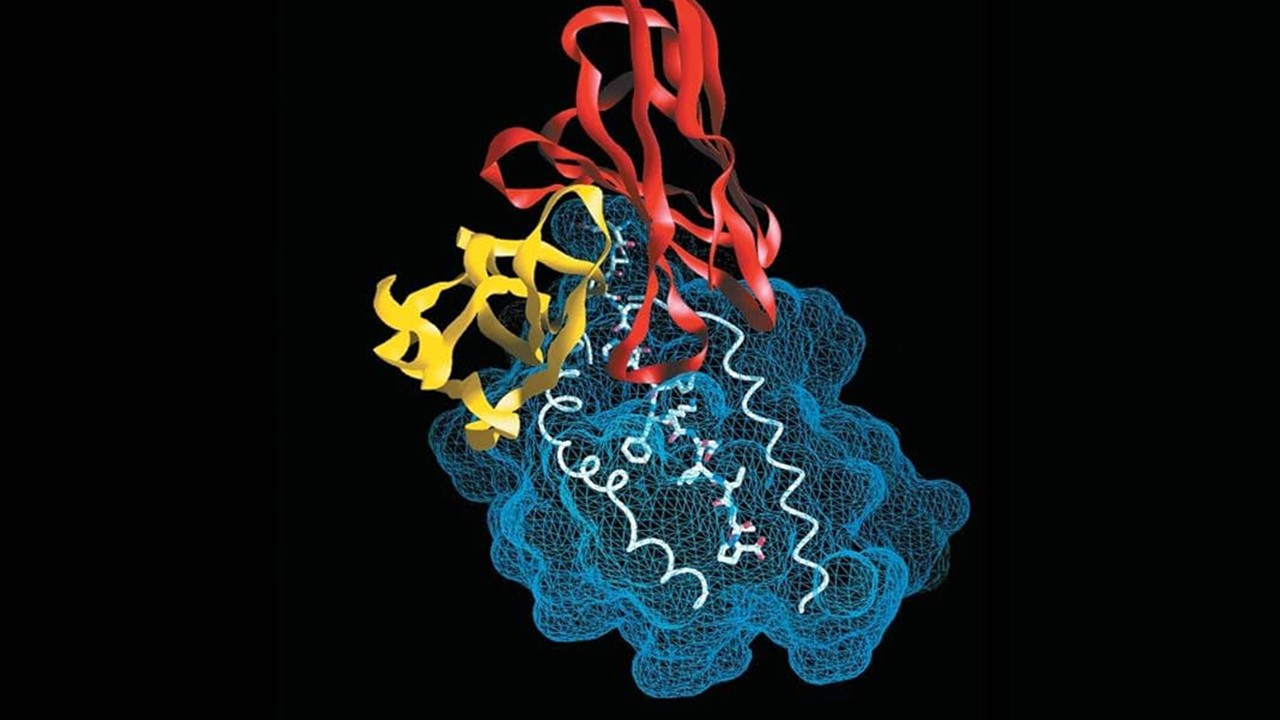



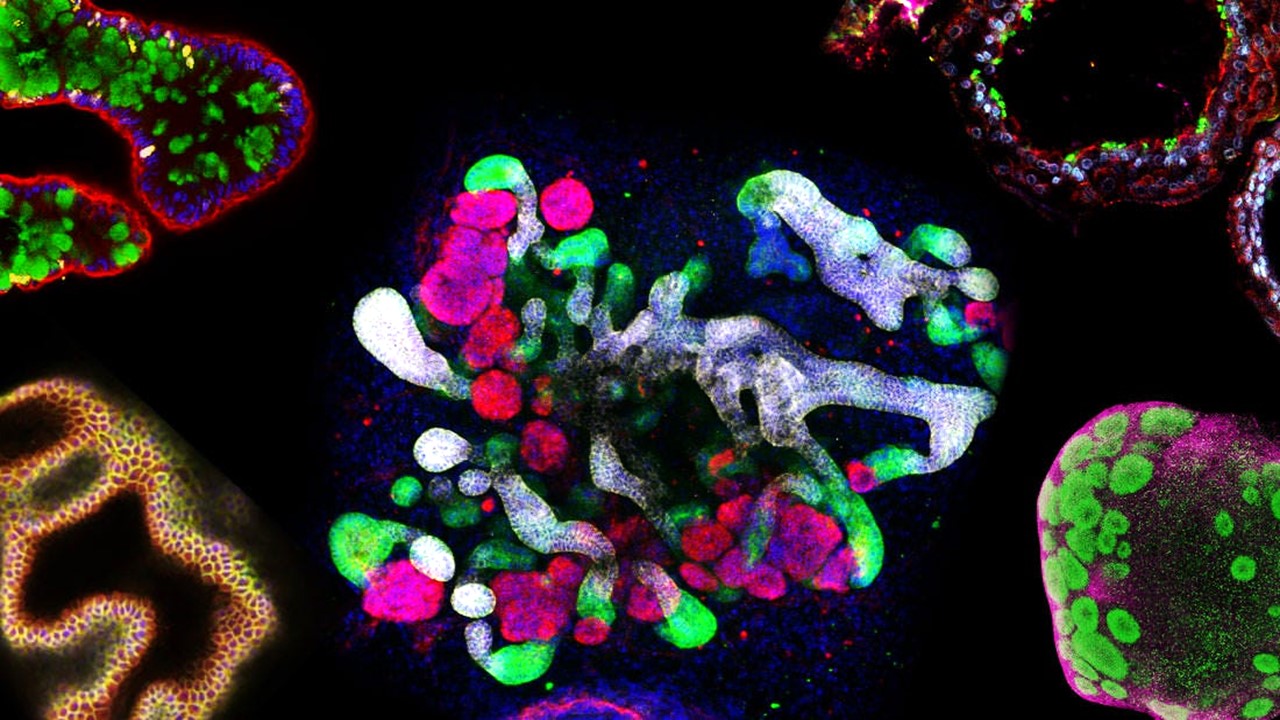
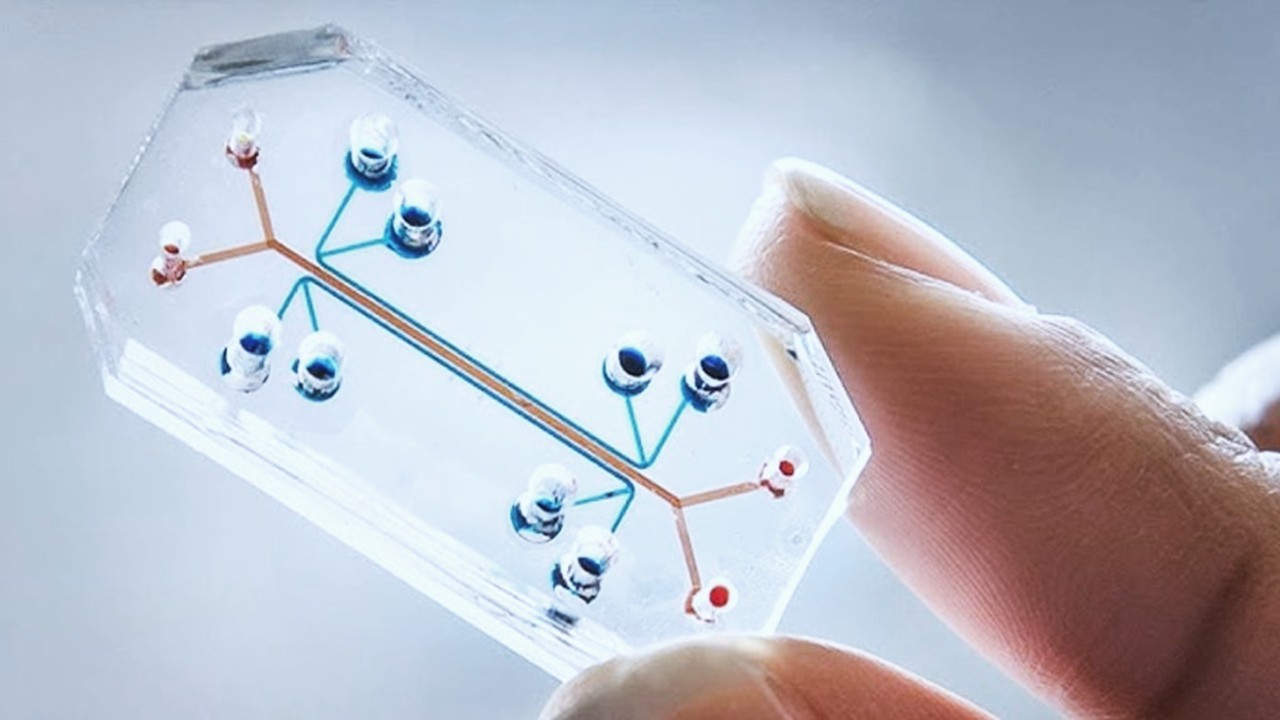
Microphysiological Systems: Pioneering the Next Frontier in Precision Pharmacology and Drug Development
Microphysiological systems provide human-relevant data to address pharmacology challenges and streamline approvals for complex cases like rare diseases.

Breaking Barriers in Molecular Dynamics: The Asynchronous Replica Exchange Revolution
Molecular dynamics simulations have been instrumental in exploring molecular interactions, providing atomic-level understanding of phenomena such as protein folding, ligand binding, and enzymatic catalysis.