Medicinal Chemistry & Pharmacology

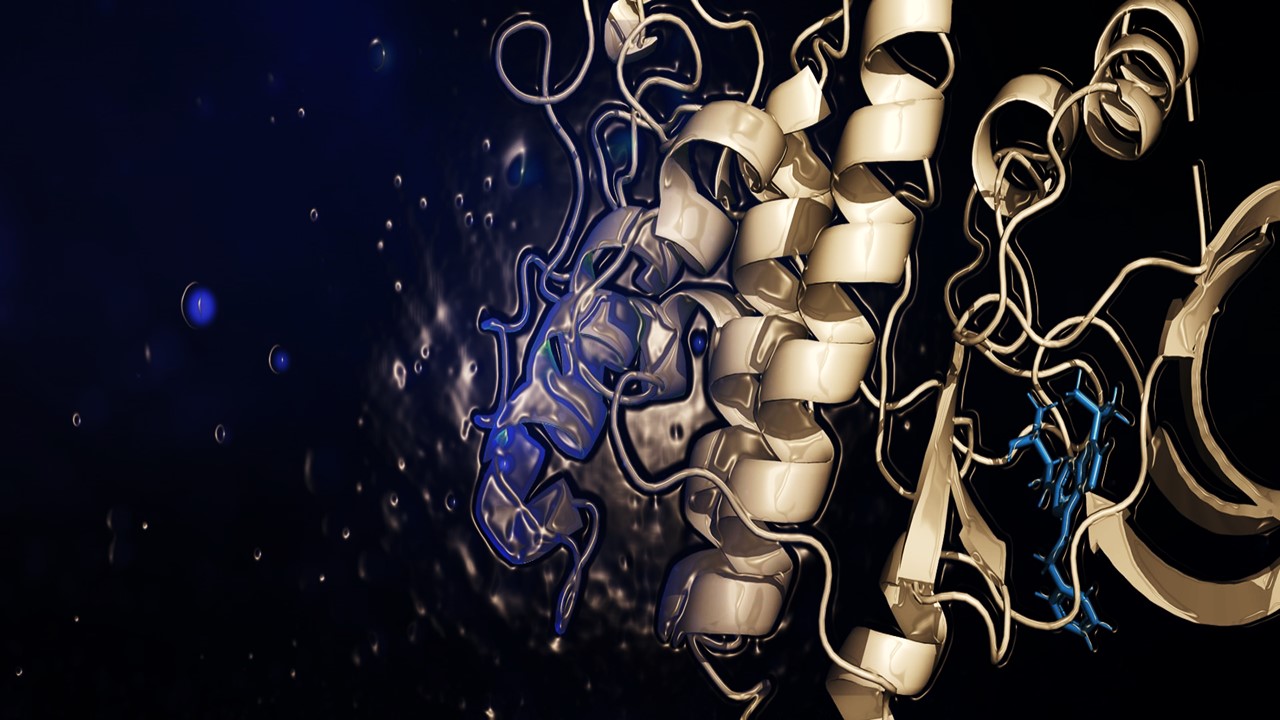
Sneak Peak to Drug Behavior: The Fractured Foundations of Allometric Scaling in Modern Pharmacology
As the Darwinian view ascends, the future of pharmacokinetics lies not in defending old paradigms, but in forging new ones grounded in the irreducible diversity of life.

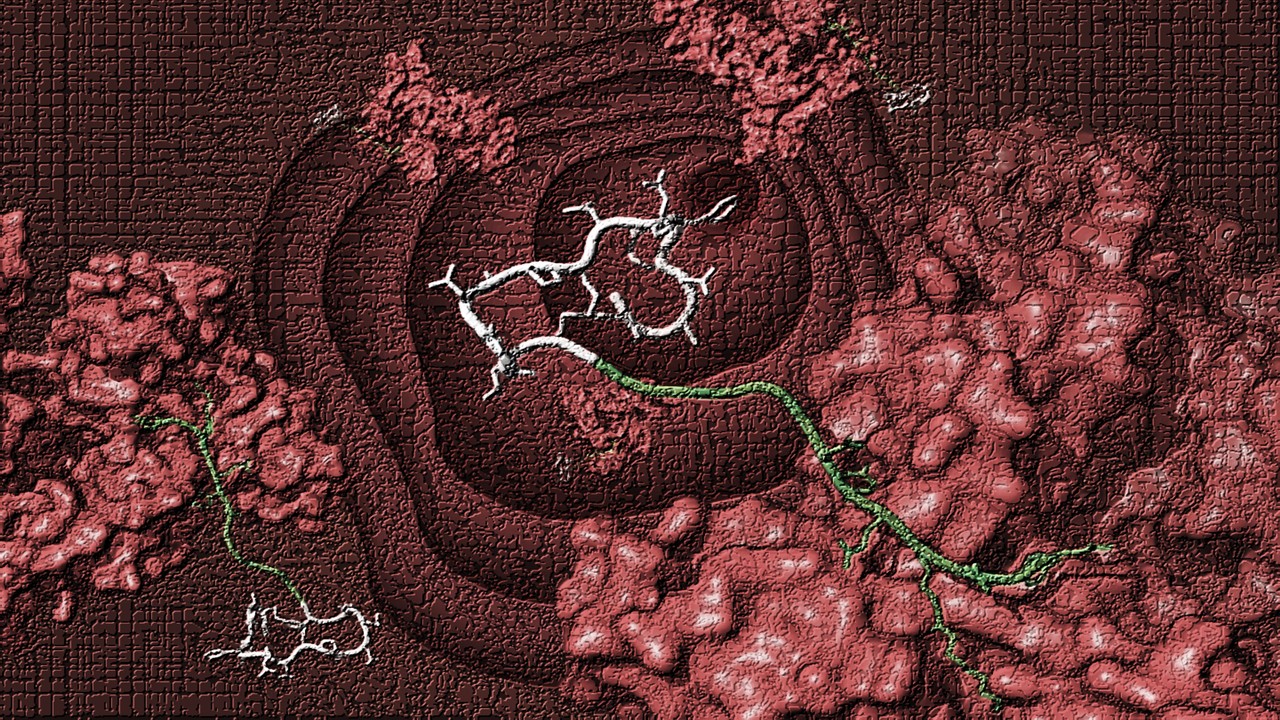
Advanced ADME Optimization: Unlocking the Therapeutic Potential of Peptide Xenobiotics
Peptides stand at the frontier of drug development, poised to exploit their unique blend of specificity and adaptability.
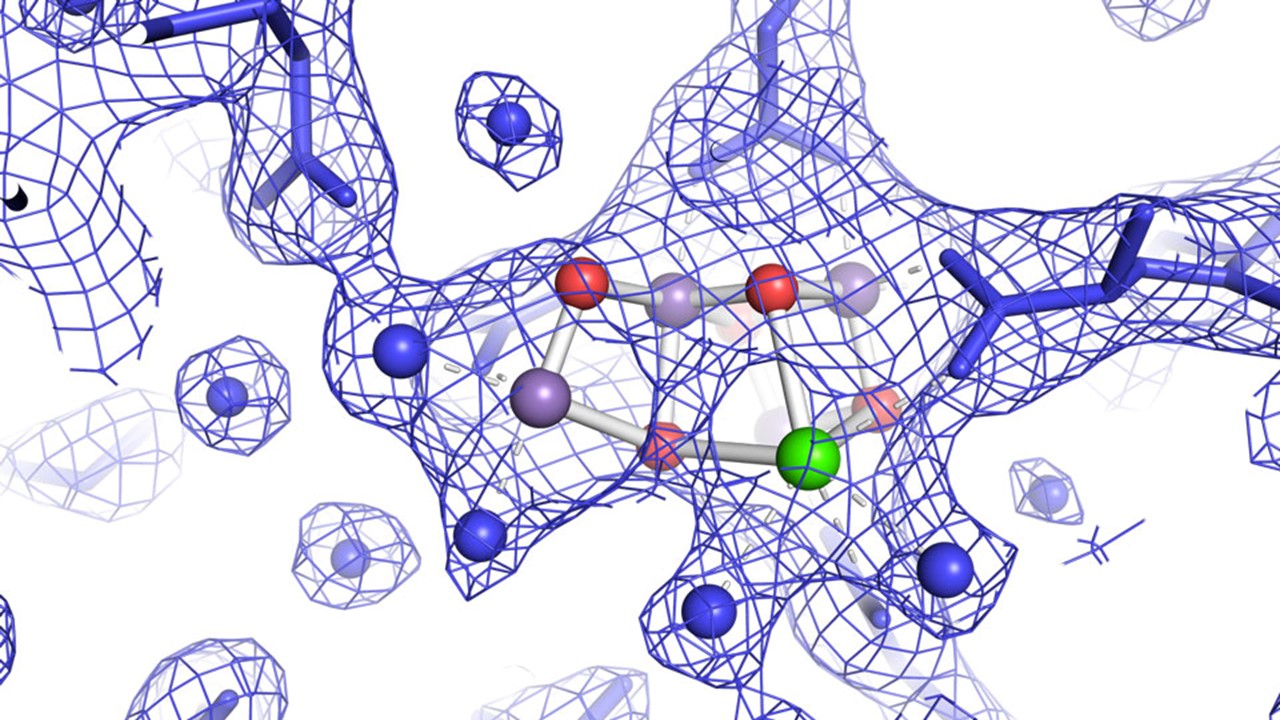
Matrix Lipidomics: Decoding Photosynthetic Supercomplexes Through Neutron Scattering and Molecular Profiling
The synthesis of neutron scattering, lipidomics, and photochemical analyses redefines PSI as a lipid-protein supercomplex, where every molecular component is a deliberate player in the photosynthetic symphony.
Molecular Alchemy: How MOSES is Redefining Drug Discovery in the Age of AI
MOSES serves as both compass and crucible, guiding researchers through chemical space while rigorously testing their innovations.
Novel Frontier in Xenobiotic Design: Decoding the Synthetic Accessibility of Drug-Like Molecules
The rise of biocatalysis and flow chemistry demands periodic updates to fragment libraries and complexity metrics.

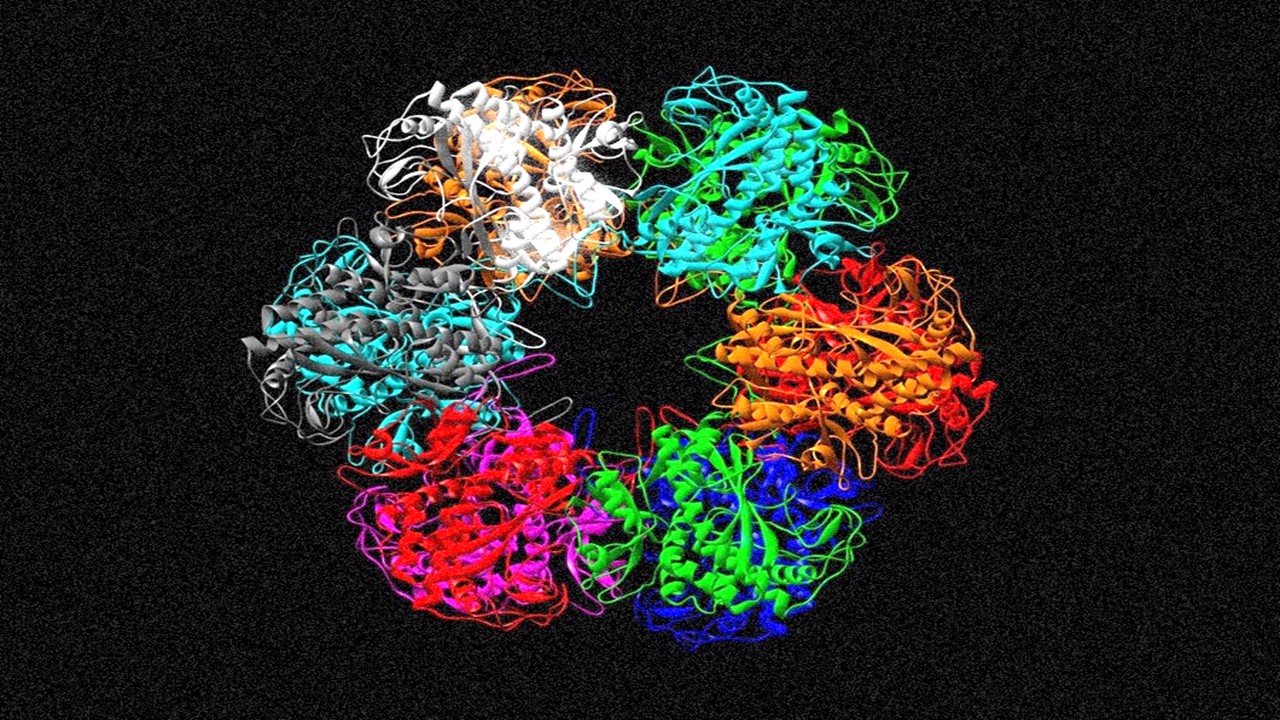
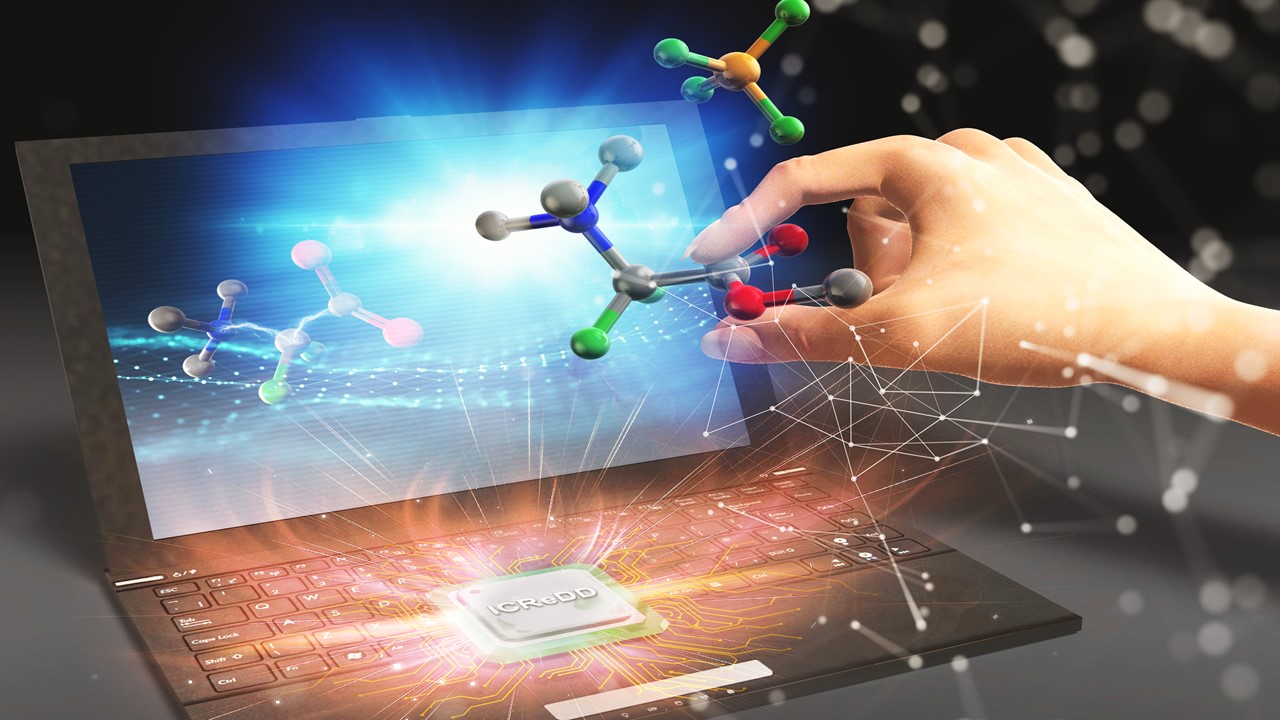

Generative Chemistry: The Artificial Intelligence Revolution in Drug Discovery
AI algorithms now design molecules from scratch, optimizing pharmacological profiles through iterative learning.
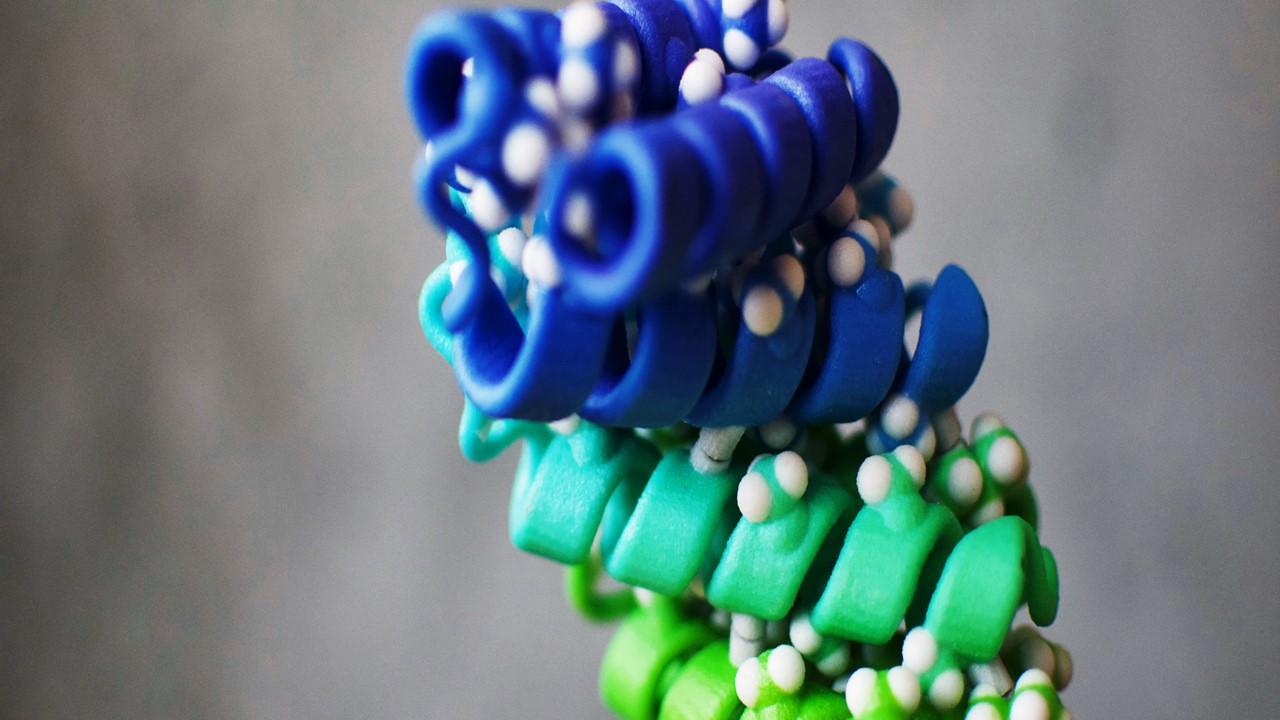
Artificial Proteins: Designing Life from Scratch
AI-driven de novo protein design is transforming the way scientists approach molecular engineering.
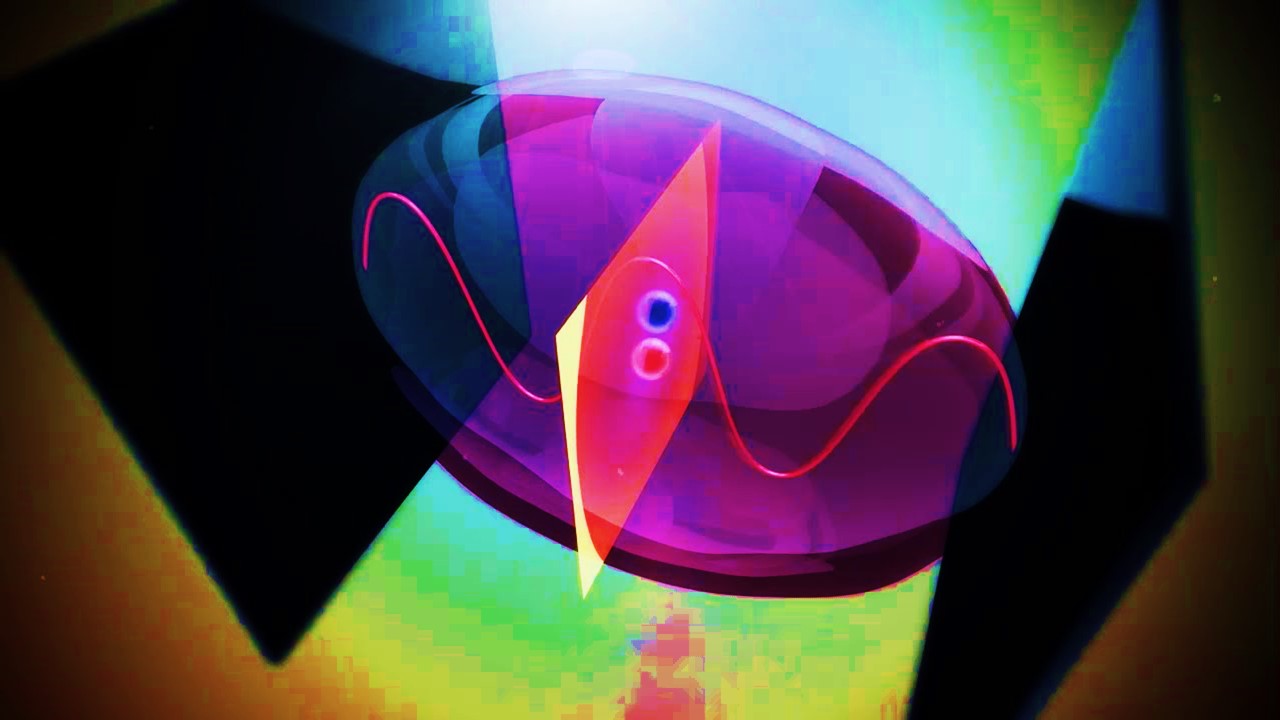
Machine Learning for Polaritonic Chemistry: Unbolting Chemical Kinetics Through Strong Light–Matter Coupling
Polaritonic chemistry steers, inhibits, and catalyzes chemical processes at room temperature, controlled by parameters like cavity mirror spacing.

Antibiotic Delivery 2.0: The Rise of Bio-Based Polymeric Microparticles
The encapsulation of norfloxacin in PEBSA-based microparticles marks a transformative development in antibiotic delivery.

Osteopontin: A Molecular Key to Cancer Drug Resistance
Targeting osteopontin could redefine the landscape of cancer therapy, transforming resistance into a treatable challenge.

Silencing Tumors: The Next Frontier in siRNA Delivery
Histidine-lysine (HK) peptides could transform siRNA therapeutics, enabling personalized cancer care and tackling untreatable conditions.
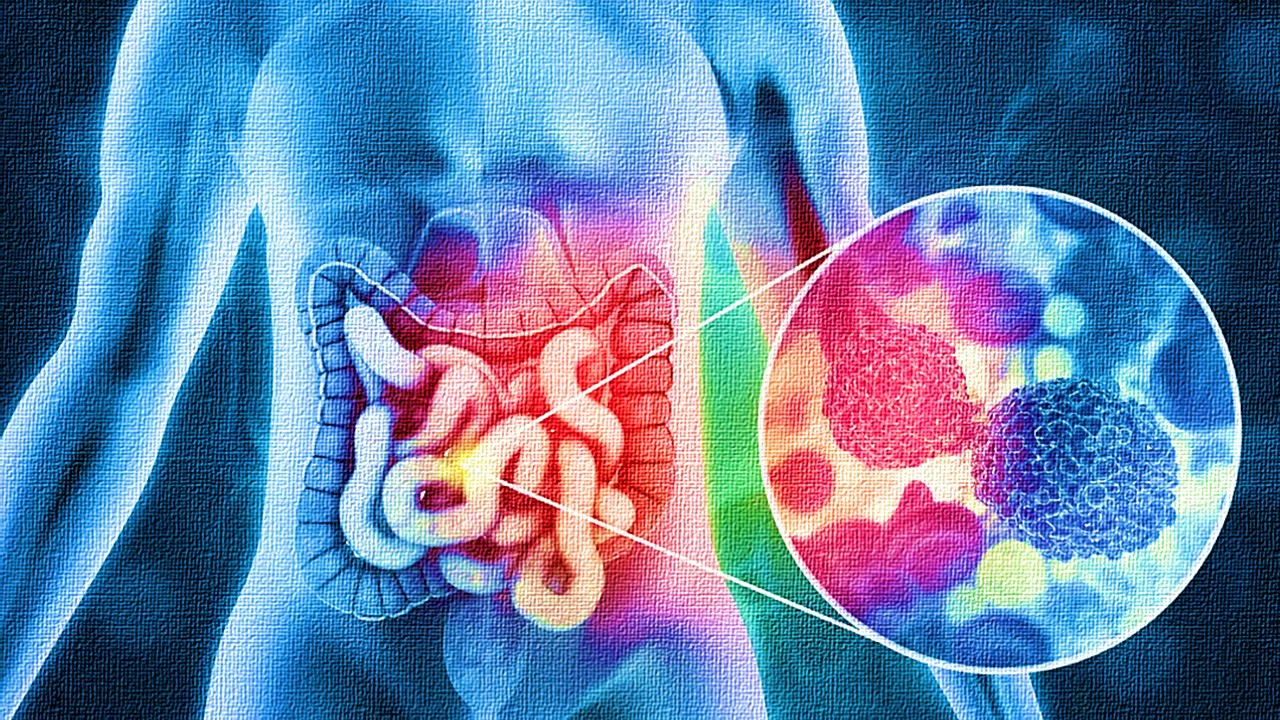
Ferroptosis, Apoptosis, Autophagy, Antiproliferation: TG1’s Quadruple-Targeting Mechanisms of Action Against Colorectal Cancer
By targeting ferroptosis, apoptosis, and autophagy while modulating MYC, TG1 disrupts the intricate survival networks of CRC cells.