From Reductionist Pharmacokinetics to Physiological Modeling
Drug development has always hinged on predicting how a compound travels through the human body, yet traditional pharmacokinetic models reduce complexity into abstract compartments that lack true biological fidelity. By contrast, physiologically based pharmacokinetic (PBPK) models treat organs as interconnected physiological compartments governed by measurable properties such as tissue volumes, enzyme expression, and blood flow. This shift allows scientists to link mathematical predictions directly to anatomy, rendering absorption, distribution, metabolism, and excretion not as abstract curves but as organ-specific processes. The move from compartmental approximations to physiologically explicit systems was gradual, beginning with early two-compartment equations in the mid-20th century and evolving toward intricate frameworks that reflect the full human system. Today’s PBPK models are constructed from experimentally derived system-specific and drug-specific parameters, bridging in vitro findings to human-scale predictions.
The arrival of organ-on-a-chip (OoC) platforms has created an unprecedented synergy with PBPK models, allowing researchers to validate dynamic predictions against micro-engineered tissues that recapitulate structural and functional hallmarks of human organs. These devices simulate mechanical forces, biochemical gradients, and multicellular interactions that govern drug fate in the body. When coupled with PBPK modeling, organ chips become living testbeds for refining predictions, extending the reach of pharmacokinetic simulations into mechanistic validation. Rather than being independent technologies, PBPK and OoC are converging into a dual framework where mathematics and microfluidics jointly model biology.
The motivation for this convergence is not merely efficiency but also necessity. Preclinical animal models frequently fail to predict human outcomes due to species-specific differences in drug metabolism and receptor biology. Ethical pressures to reduce animal testing add further urgency to replacing traditional preclinical paradigms. PBPK integrated with OoC offers a path toward more reliable and ethically sound models that reflect human physiology with greater accuracy. By establishing physiologically scaled, chip-based proxies for drug trials, this approach is poised to transform the translational gap between bench and bedside.
Such integration is far from trivial. Each chip, whether mimicking the liver, intestine, lung, or kidney, must be scaled relative to systemic physiology, while PBPK equations must be parameterized to reflect microfluidic conditions. Linking the mathematical rigor of PBPK with the engineering precision of OoC demands careful attention to scaling factors, flow rates, and organ-specific metabolism. Yet these challenges highlight the emerging frontier of drug modeling: a truly hybrid framework where computational predictions and micro-engineered tissues function as two halves of a single experimental system.
Engineering the Organ-on-a-Chip Platform
Organ-on-a-chip devices are microfluidic systems that replicate the cellular architecture and biomechanical environment of tissues, thereby producing physiologically relevant responses to drugs. Microchannels etched into biocompatible materials carry fluids that mimic blood or interstitial flow, while flexible membranes and patterned scaffolds recreate the geometry of organ parenchyma. This combination allows cells to polarize, differentiate, and respond to mechanical cues such as shear stress, cyclic stretch, or pulsatile flow. By embedding vascular-like conduits, OoCs reproduce gradients that govern nutrient delivery, metabolite clearance, and drug transport. Such physical accuracy is critical, as pharmacokinetics is not only biochemical but also biomechanical, with fluid dynamics influencing drug distribution.
Material science plays a decisive role in OoC design. Polydimethylsiloxane (PDMS) remains widely used due to its elasticity and transparency, yet its tendency to absorb hydrophobic molecules complicates drug studies by distorting concentrations. Alternative polymers like polysulfone or polystyrene are being adopted to reduce adsorption, while surface modifications of PDMS are explored to counteract molecular loss. Moreover, thin elastic membranes enable biomechanical simulation, such as rhythmic stretching for lung alveoli or peristaltic motions in intestine models. These refinements ensure that drug responses captured on-chip better approximate the dynamics observed in vivo, essential for coupling results with PBPK models.
Cell biology integration has advanced through three-dimensional cultures and bioprinting technologies, producing structures that retain phenotypes over extended culture periods. For example, hepatocytes in liver chips maintain metabolic competency longer than in flat cultures, while intestinal chips exhibit tight junctions and absorptive properties reminiscent of the duodenum. Such chips not only reflect static anatomy but also dynamic physiology, producing bile flow, mucus secretion, and synchronized contractility depending on the organ. The fidelity of these models transforms pharmacokinetics from abstract simulation into experimentally validated trajectories.
Recent innovations have extended the scope of OoCs into vascularized and multi-organ platforms. Chips that include perfusable microvessels capture endothelial signaling and enable the study of barrier transport, while human-on-a-chip systems interconnect multiple tissues through microfluidic channels. These configurations model organ-organ crosstalk and allow multi-step pharmacokinetics, where oral absorption in intestine connects to hepatic metabolism and systemic distribution. When combined with PBPK modeling, these chips serve as both mechanistic simulators and verification platforms, capturing not only local drug responses but also systemic interactions.
PBPK Modeling: Mathematical Anatomy of Drug Fate
The PBPK framework decomposes the human body into physiologically grounded compartments interconnected by blood flow, capturing the transport and transformation of drugs across tissues. Each compartment is defined by tissue volume, perfusion rate, enzyme expression, and permeability, while drug-specific parameters include solubility, protein binding, and clearance kinetics. These parameters are integrated into systems of differential equations that simulate concentration-time profiles within plasma and organs. Unlike empirical models, PBPK predictions can be extended across populations by adjusting age, sex, or genotype-dependent parameters, thereby supporting precision pharmacology. The granularity of the model allows simulations not only of plasma drug levels but also tissue-specific exposures that often drive efficacy or toxicity.
Model construction follows either a full approach, where each organ is explicitly represented, or a reduced form, where tissues with similar properties are lumped. Full PBPK models provide more mechanistic detail but require extensive parameterization, while reduced models simplify computation but risk oversimplification. Regardless of the approach, validation against experimental data remains essential. Organ-on-a-chip systems address this gap by providing in vitro data that reflects realistic physiology, supplying parameters for permeability, clearance, and tissue binding that were previously inferred indirectly. These chip-derived values enhance model fidelity and reduce reliance on empirical scaling.
Validation of PBPK models requires systematic comparison between predicted and observed pharmacokinetics, yet inconsistencies in criteria and datasets remain a challenge. Regulatory agencies increasingly scrutinize PBPK outputs, demanding rigorous validation for drug approval submissions. Chips provide an avenue to generate context-specific validation datasets, incorporating genotype, age, or disease-mimicking conditions that are difficult to capture in animal models. By enabling iterative calibration, OoCs allow PBPK predictions to converge on physiologically accurate outputs that withstand regulatory and clinical scrutiny.
The integration of PBPK with OoC does more than enhance accuracy; it creates a feedback loop between experiment and computation. Parameters derived from chips refine PBPK equations, while simulations guide chip experiments by predicting relevant ranges of concentrations and dosing schedules. This interplay accelerates hypothesis testing, reduces uncertainty, and improves extrapolation from in vitro to in vivo. The convergence of these fields marks a decisive step toward computational-experimental co-design of drug studies, where physiology is simulated and validated simultaneously.
Scaling Challenges and In Vitro–In Vivo Extrapolation
One of the greatest challenges in merging PBPK with OoC platforms lies in scaling. Human physiology operates across vast gradients of volume, flow, and time, while chips condense organs into microliter chambers. Traditional allometric scaling, which correlates organ mass to body mass, proves insufficient at microscale because certain physiological processes—such as immune signaling or enzymatic conversion—do not scale linearly. Functional scaling, which emphasizes key physiological outputs like gas exchange or clearance capacity, offers a more pragmatic solution, though it risks oversimplifying complex pathways. Reconciling these discrepancies is essential to ensure chip data translate meaningfully into PBPK models.
The process of in vitro–in vivo extrapolation (IVIVE) attempts to bridge experimental results with human-scale predictions. OoC devices provide dynamic drug concentration profiles that, when adjusted by scaling factors, can inform whole-body pharmacokinetics. Yet static scaling approaches fail to capture residence times, paracrine signaling, or sequential metabolism across organ systems. Multi-organ chips linked by microfluidics present a partial solution, enabling more realistic transport and transformation pathways that mirror in vivo pharmacology. Incorporating these results into PBPK frameworks requires not only mathematical sophistication but also detailed knowledge of chip physiology.
Drug-drug interactions (DDIs) represent a particularly compelling application of integrated PBPK and OoC. Chips containing multiple organs allow simultaneous assessment of metabolism, transport, and efficacy in interconnected tissues. By embedding these experimental results into PBPK simulations, scientists can predict how concurrent medications alter pharmacokinetics at systemic and organ levels. Unlike conventional static cultures, this approach captures both primary metabolism and secondary effects on distant tissues, reflecting the true complexity of polypharmacy. Such models hold promise for anticipating adverse outcomes and informing personalized treatment strategies.
These scaling and extrapolation strategies underscore that integration is not simply additive but transformative. PBPK and OoC complement each other by filling reciprocal gaps: chips provide mechanistic fidelity where equations abstract, while models provide systemic context where chips remain localized. The translation of this hybrid methodology into clinical relevance depends on iterative refinement, where each cycle of experiment and computation moves predictions closer to biological truth. As these systems mature, their predictive power will redefine preclinical drug testing and clinical trial design.
Future Directions and Clinical Implications
The trajectory of PBPK modeling on OoCs points toward a new paradigm in drug development and personalized medicine. By simulating human physiology in vitro with unprecedented fidelity, these systems promise to reduce reliance on animal testing, accelerate candidate screening, and identify failures earlier in the pipeline. Clinically, integrating patient-derived cells into chips enables modeling of genetic variability, disease states, and personalized responses, extending PBPK predictions into the realm of individualized therapy. Such applications align with precision medicine goals, where dosing regimens are tailored not to populations but to the physiology of specific patients.
Nevertheless, several limitations remain. Material constraints, particularly drug adsorption in PDMS, distort pharmacokinetic predictions and necessitate either new materials or compensatory modeling. Dynamic modeling of OoCs still relies heavily on simplified differential equations, leaving room for advanced multiscale models that integrate diffusion, convection, and reaction networks. Moreover, the regulatory landscape for PBPK-OoC integration is still nascent, requiring harmonized validation frameworks to standardize data quality across laboratories. Without such standardization, the translational impact of these systems will be constrained.
Opportunities for improvement lie in integrating real-time biosensing, computational fluid dynamics, and machine learning into chip design and model refinement. Biosensors embedded in chips can capture concentration profiles continuously, feeding data directly into PBPK models for dynamic calibration. Machine learning can aid in parameter estimation, handling the nonlinearities and stochasticity of biological processes. Such interdisciplinary convergence of biology, engineering, and computation will advance PBPK-OoC platforms from experimental novelties to mainstream drug development tools.
Ultimately, the promise of PBPK modeling on organ-on-a-chip lies in redefining how pharmacology views the human body—not as an abstraction of compartments, but as a living, measurable, and reproducible system. This hybrid framework transforms pharmacokinetics into an experimentally validated science of physiology, capable of guiding both early-stage drug development and clinical application. As integration deepens, the boundary between computational pharmacology and experimental biology will blur, heralding a new era in which drugs are designed, tested, and personalized through engineered surrogates of human physiology.
Study DOI: https://doi.org/10.3389/fbioe.2022.900481
Engr. Dex Marco Tiu Guibelondo, B.Sc. Pharm, R.Ph., B.Sc. CpE
Editor-in-Chief, PharmaFEATURES
Subscribe
to get our
LATEST NEWS
Related Posts

Drug Discovery Biology
Proteolytic Rewriting: Engineering Controlled Absence of Pathogenic Protein Persistence
Targeted protein degradation transforms drug therapy by engineering the cellular machinery to erase, rather than merely inhibit, pathogenic proteins.
Drug Discovery Biology
Open Nucleotides: Grant-Driven Infrastructure for Equitable mRNA Vaccine Manufacturing
By developing accessible cap analogs and RNA raw materials, Hongene Biotech, guided by David Butler’s expertise in nucleotide chemistry and supported by the Gates Foundation, is reshaping the molecular infrastructure that underpins global mRNA vaccine equity.
Drug Discovery Biology
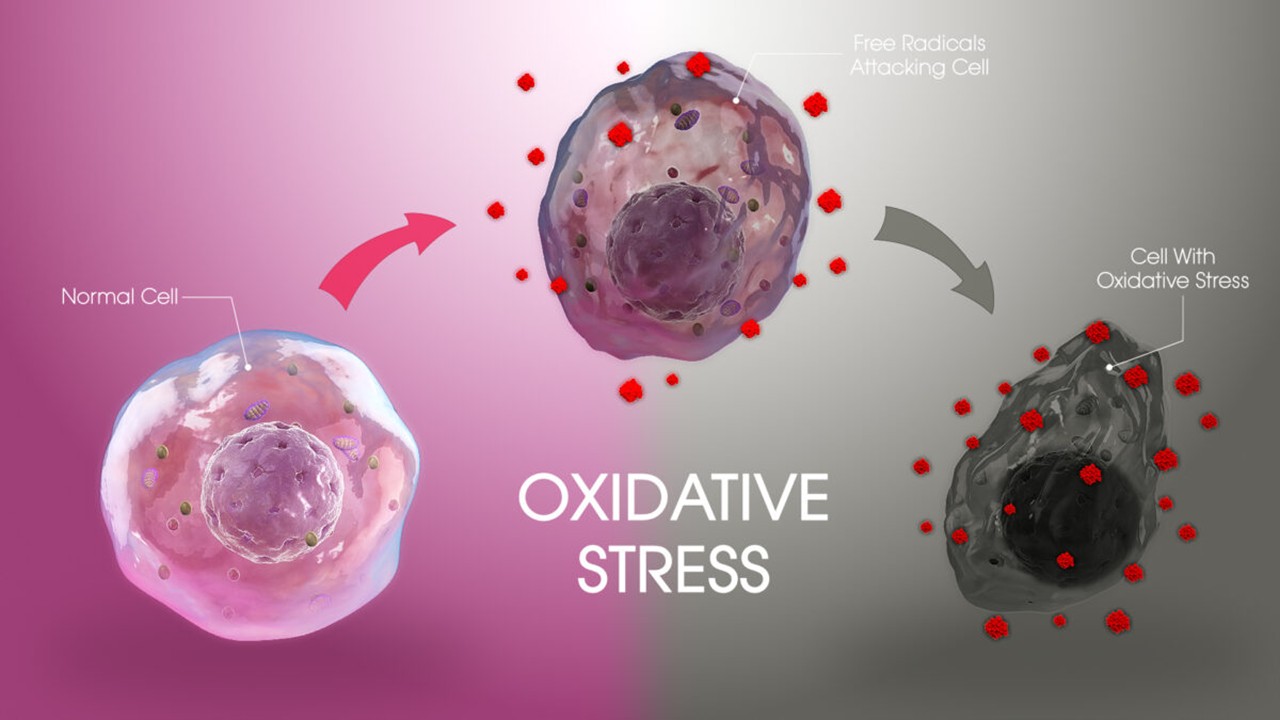
Redox Messengers: How Endogenous Gasotransmitters Rewire Vascular Biology to Resist Age-Driven Oxidative Stress
Gasotransmitters provide a biologically sophisticated means of counteracting age-related oxidative stress and preserving vascular resilience.
Drug Discovery Biology
Aptamer Signal Dynamics: Engineering Nucleic Acid Recognition Systems for High-Fidelity, Multi-Modal Biosensing
Aptamers redefine biosensing by pairing programmable molecular recognition with versatile transduction strategies capable of detecting clinically relevant biomarkers with exceptional fidelity.
Read More Articles

Medicinal Chemistry & Pharmacology
March 12, 2026
Leaner Molecules: Structural Simplification Outperforming Brute-Force Potency Potency Chasing in Lead Optimization
Structural simplification is the science of turning chemically overbuilt leads into more efficient, drug-like molecules without surrendering their therapeutic logic.
Artificial Intelligence and Data Analytics
March 11, 2026
Digital Stewardship: Governing Access, Transparency, and Accountability in Clinical Data Warehouses
Clinical data warehouse governance determines how integrated health data can be responsibly accessed, shared, and reused to enable modern biomedical research.
Medicinal Chemistry & Pharmacology
March 10, 2026
Pocket Alchemy: Automated Structure-Based Design Rewrites Molecular Invention Logic
Structure-based de novo drug design is the science of teaching algorithms to imagine molecules under the hard constraints of protein geometry and real-world chemistry.
Immunology & Oncology
March 9, 2026
Oncology Rewired: Molecularly Precise Therapeutics Redefining the Architecture of Cancer Treatment
Emerging cancer therapies are redefining treatment by targeting the molecular circuitry, immune interactions, and metabolic vulnerabilities that allow tumors to survive and evolve.
Medicinal Chemistry & Pharmacology
March 6, 2026
Algorithmic Therapeutics: Artificial Intelligence Reshaping Biotech Drug Discovery and Product Development
Artificial intelligence is transforming biotech by making therapeutic discovery less like screening for luck and more like engineering across molecules, biologics, and delivery systems.
Chemistry, Manufacturing & Controls
March 4, 2026
Factory Logic: Modular Pharmaceutical Manufacturing Enabling Rapid Drug Production and Continuous Innovation
Modular pharmaceutical factories transform drug manufacturing into a continuously evolving technological system capable of integrating new therapies, processes, and production innovations without disrupting regulated operations.