Molecular Landscapes of Motor Neuron Vulnerability
Degenerative motor neuron diseases arise from the selective failure of upper and lower motor neurons that normally sustain voluntary movement, posture, and bulbar function. These neurons occupy a precarious biological niche defined by extreme axonal length, high metabolic demand, and continuous reliance on tightly regulated protein homeostasis. When stress accumulates across transcriptional control, RNA handling, mitochondrial energetics, and synaptic signaling, motor neurons exhibit a unique susceptibility to irreversible injury. Amyotrophic lateral sclerosis serves as the canonical model because it concentrates nearly every known pathological mechanism into a single clinical phenotype. Other motor neuron disease variants differ mainly in anatomical emphasis rather than molecular logic. Consequently, modern drug development increasingly treats these conditions as expressions of a shared neurodegenerative framework rather than isolated entities.
At the genomic level, mutations in genes governing oxidative defense, RNA binding, protein trafficking, and stress responses converge on a limited number of toxic cellular outcomes. Misfolded proteins accumulate in the cytoplasm, overwhelm degradation pathways, and distort nucleocytoplasmic transport. RNA metabolism becomes unstable as splicing errors and cryptic exon inclusion alter essential neuronal transcripts. Mitochondria lose their ability to buffer calcium flux and sustain adenosine triphosphate generation under stress. Neuroglial interactions shift from trophic support toward inflammatory amplification. Together, these processes erode neuronal resilience long before overt clinical symptoms emerge.
One of the most sobering realizations in the field is that no single pathological pathway dominates across all patients. Some individuals exhibit disease driven primarily by protein aggregation, while others demonstrate early metabolic collapse or immune-mediated toxicity. This heterogeneity undermines monotherapy strategies that assume uniform disease biology. It also explains why drugs with compelling mechanistic rationales often falter when deployed across broad patient populations. As a result, contemporary development programs increasingly emphasize pathway stratification rather than disease labels.
Because these molecular processes evolve over years, therapeutic timing becomes as important as target selection. Interventions introduced after substantial axonal degeneration may only blunt downstream consequences without altering disease trajectory. This temporal mismatch has reshaped trial design toward earlier biological intervention and biomarker-guided enrollment. Accordingly, the field is moving away from symptomatic rescue toward preservation of neuronal integrity. This shift sets the stage for therapies that intervene upstream of irreversible structural loss.
Approved Therapies and the Limits of Neuroprotection
The currently approved pharmacologic agents for motor neuron diseases reflect decades of incremental progress rather than transformative breakthroughs. Most act by dampening excitotoxic signaling, scavenging reactive species, or stabilizing stressed neurons against further injury. These mechanisms slow functional decline by reducing secondary damage rather than correcting the initiating pathology. As a result, their benefits are modest and highly variable across patients. Clinical experience has shown that formulation, route of administration, and patient tolerance often matter as much as molecular target engagement. Drug development has therefore expanded to include delivery innovation as a parallel objective.
Glutamate-modulating agents exemplify this neuroprotective paradigm by attenuating excessive synaptic excitation that accelerates neuronal death. Their biological logic is sound, as excitotoxicity amplifies calcium overload and mitochondrial dysfunction in vulnerable neurons. However, excitotoxic signaling represents a downstream amplifier rather than a root cause in many patients. Suppressing it delays but does not prevent the accumulation of upstream cellular stress. Consequently, these agents function best as background stabilizers rather than standalone disease modifiers. Their clinical role is increasingly viewed as foundational rather than definitive.
Antioxidant therapies target another universal feature of motor neuron degeneration, namely the accumulation of reactive oxygen species and oxidative damage. By neutralizing free radicals, these drugs reduce lipid peroxidation, protein oxidation, and DNA injury within stressed neurons. Yet oxidative stress is both a cause and a consequence of deeper metabolic failure. Neutralizing reactive species without restoring mitochondrial efficiency limits the durability of benefit. This realization has prompted the reformulation of antioxidants to improve bioavailability and long-term tolerability.
Combination therapies briefly appeared to offer a solution by addressing multiple stress pathways simultaneously. Early signals suggested that targeting mitochondrial integrity alongside endoplasmic reticulum stress could produce synergistic effects. However, later-stage evaluations revealed that biological plausibility does not guarantee durable clinical benefit. The withdrawal of certain combination approaches underscored the difficulty of translating short-term biomarker shifts into sustained functional preservation. This experience reinforced the need for mechanistically precise and biologically timed interventions.
Targeted Strategies in Disease Modification
Disease-modifying therapy development has increasingly pivoted toward interventions that engage defined molecular drivers of degeneration. Genetic discoveries revealed that toxic gain-of-function mutations can directly initiate neuronal injury through aberrant protein behavior. This insight catalyzed the development of antisense oligonucleotides designed to reduce the production of pathogenic proteins. By selectively binding messenger RNA, these agents decrease synthesis of toxic species without altering genomic DNA. Their success in related neuromuscular disorders validated the approach and accelerated translation into motor neuron disease. Nevertheless, delivery constraints and long-term safety remain formidable challenges.
Protein aggregation represents another focal point for disease modification, particularly in conditions dominated by cytoplasmic inclusions. Drugs that activate autophagy and lysosomal clearance aim to restore intracellular quality control systems. By enhancing the degradation of misfolded proteins, these agents attempt to reset proteostasis before irreversible toxicity occurs. Some compounds also modulate stress response pathways to prevent the formation of aggregation-prone granules. This dual action reflects an appreciation of aggregation as both a cause and a consequence of cellular stress. Such strategies emphasize restoration rather than suppression.
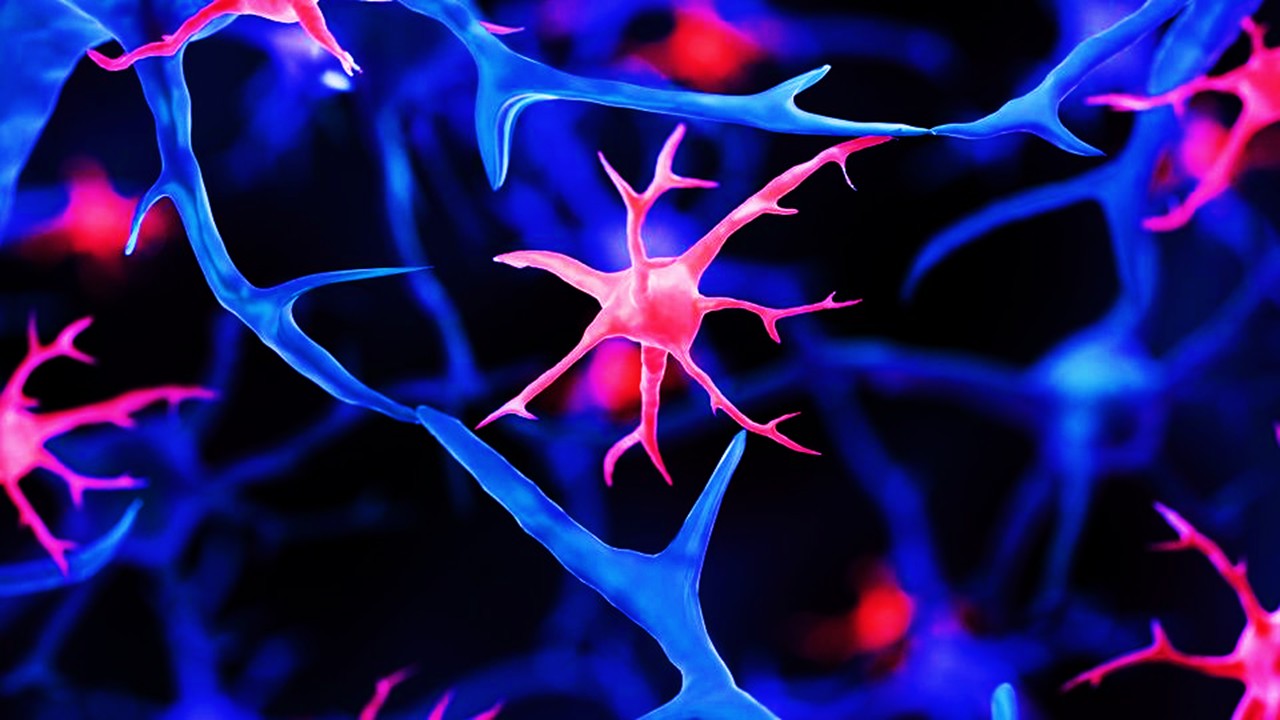
Neuroinflammation has emerged as a central amplifier of motor neuron degeneration rather than a passive bystander. Activated microglia and astrocytes release cytokines, complement components, and reactive species that propagate neuronal injury. Therapeutics targeting inflammatory signaling seek to recalibrate the neural microenvironment toward repair rather than destruction. Unlike broad immunosuppression, these approaches focus on specific molecular nodes within inflammatory cascades. This selectivity aims to preserve host defense while mitigating chronic neurotoxicity. The diversity of inflammatory targets reflects the complexity of immune involvement in neurodegeneration.
Metabolic modulation offers another avenue for intervention by addressing the energetic fragility of motor neurons. Agents that enhance mitochondrial electron transport or stabilize bioenergetic flux attempt to fortify neurons against chronic stress. By improving adenosine triphosphate availability, these therapies indirectly support axonal transport, protein synthesis, and calcium buffering. Some compounds also influence lipid and glucose metabolism to reduce systemic contributors to neuronal strain. This metabolic perspective reframes motor neuron disease as a disorder of energy failure rather than isolated neurotoxicity. Such reframing broadens the therapeutic landscape beyond the nervous system alone.
Translational Barriers and Emerging Therapeutic Horizons
Despite remarkable biological insight, translation from laboratory discovery to clinical efficacy remains fraught with obstacles. Animal models replicate discrete aspects of disease biology but rarely capture the full human pathological spectrum. This limitation complicates dose selection, timing, and endpoint interpretation in clinical studies. Moreover, the slow and heterogeneous progression of motor neuron diseases obscures therapeutic signals within feasible trial durations. These constraints necessitate innovative biomarkers that reflect target engagement rather than late-stage functional loss. Without such tools, promising mechanisms risk premature abandonment.
Gene therapy and RNA-targeting technologies exemplify both the promise and peril of precision medicine. Viral and nonviral delivery systems have achieved unprecedented central nervous system access. However, sustained suppression of essential proteins raises concerns about long-term neuronal viability. Balancing reduction of toxic species with preservation of physiological function requires exquisite dosing control. Furthermore, invasive delivery routes challenge scalability and patient acceptance. These realities temper enthusiasm with caution as the field advances.
Immunotherapy introduces yet another dimension by leveraging adaptive and innate immune modulation. Antibodies and vaccines directed against pathogenic protein species aim to neutralize toxicity without disrupting normal protein function. Early studies suggest that immune-mediated clearance can reshape the disease milieu. However, immune activation within the central nervous system carries inherent risk. Achieving specificity without collateral inflammation remains a delicate engineering problem. Progress in this area will depend on refined antigen selection and delivery strategies.
Looking forward, the most credible therapeutic future lies in rational combination strategies guided by individual disease biology. Molecular profiling, longitudinal biomarkers, and adaptive trial designs are converging to support this approach. Rather than seeking a universal cure, the field is moving toward personalized disease interception. Each advance clarifies both what is possible and what remains elusive. In that tension, motor neuron disease research continues to redefine the boundaries of neurotherapeutic science.
Study DOI: https://doi.org/10.4103/nrr.nrr-d-24-01266
Engr. Dex Marco Tiu Guibelondo, B.Sc. Pharm, R.Ph.,B.Sc. CompE
Editor-in-Chief, PharmaFEATURES

Subscribe
to get our
LATEST NEWS
Related Posts

Neuroscience & Neuropharmacology
Negotiated Degeneration: How Molecular Intervention and Access Architecture Shape Neurodegenerative Outcomes
Through their partnership, Cycle Pharmaceuticals and Inceptua Group illustrate how operational excellence and access strategy can be as decisive as scientific innovation in rare and degenerative disease therapeutics.

Neuroscience & Neuropharmacology
Cytokine Faultlines: Divergent Inflammatory Signals in Cerebrospinal Fluid and Blood During Acute and Subacute Spinal Cord Injury
Post-traumatic cytokine signaling exposes the complex and divergent immunological processes that shape acute and subacute spinal cord injury outcomes.
Neuroscience & Neuropharmacology
Neuroimmune Recalibration: Antibiotic-Driven Modulation of Glial Signaling Networks for Advancing Neuropathic Pain Therapeutics
Antibiotic-driven modulation of glial activity offers a powerful mechanistic framework for developing precision treatments in neuropathic pain.

Neuroscience & Neuropharmacology
Neural Thresholds: Mechanistic Predictors Guiding Response to Anti-CGRP Monoclonal Antibodies
Predicting response to anti-CGRP monoclonal antibodies requires integrating sensory phenotypes, psychological states, biological markers, and migraine history into a unified mechanistic framework.
Read More Articles


Medicinal Chemistry & Pharmacology
February 16, 2026
Spatial Collapse: Pharmacologic Degradation of PDEδ to Disrupt Oncogenic KRAS Membrane Localization
PDEδ degradation disrupts KRAS membrane localization to collapse oncogenic signaling through spatial pharmacology rather than direct enzymatic inhibition.

Medicinal Chemistry & Pharmacology
February 4, 2026
Neumedics’ Integrated Innovation Model: Dr. Mark Nelson on Translating Drug Discovery into API Synthesis
Dr. Mark Nelson of Neumedics outlines how integrating medicinal chemistry with scalable API synthesis from the earliest design stages defines the next evolution of pharmaceutical development.

Clinical Operations
February 3, 2026
Zentalis Pharmaceuticals’ Clinical Strategy Architecture: Dr. Stalder on Data Foresight and Oncology Execution
Dr. Joseph Stalder of Zentalis Pharmaceuticals examines how predictive data integration and disciplined program governance are redefining the future of late-stage oncology development.

Medicinal Chemistry & Pharmacology
February 2, 2026
Exelixis Clinical Bioanalysis Leadership, Translational DMPK Craft, and the Kirkovsky Playbook
Senior Director Dr. Leo Kirkovsky brings a rare cross-modality perspective—spanning physical organic chemistry, clinical assay leadership, and ADC bioanalysis—to show how ADME mastery becomes the decision engine that turns complex drug systems into scalable oncology development programs.

Regulatory Affairs
January 30, 2026
Policy Ignition: How Institutional Experiments Become Durable Global Evidence for Pharmaceutical Access
Global pharmaceutical access improves when IP, payment, and real-world evidence systems are engineered as interoperable feedback loops rather than isolated reforms.