From Resistance Biology to Marketed Medicines: Mark Nelson’s Chemist-to-Builder Trajectory
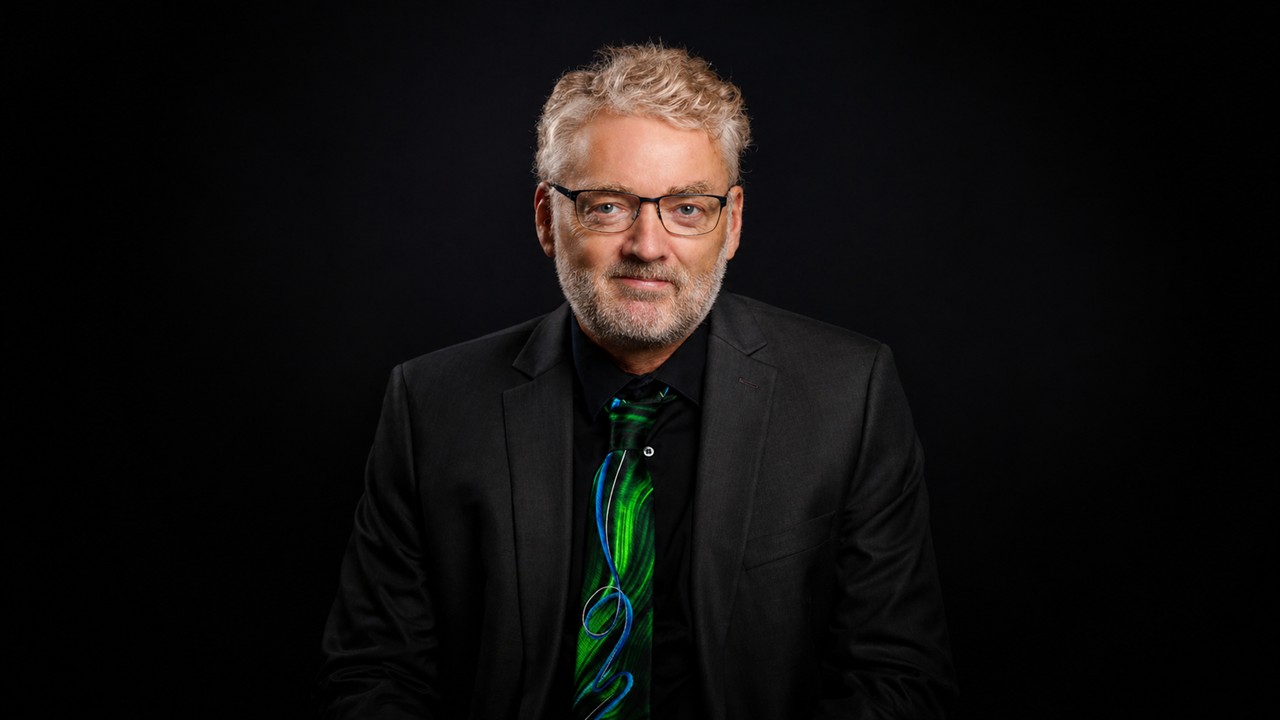
Dr. Mark L. Nelson’s career is anchored in rigorous scientific training across chemistry, microbiology, and pharmacology. He earned his Bachelor of Science in Chemistry and Microbiology from Gannon University, where foundational laboratory discipline shaped his approach to molecular problem solving. He then completed a Doctor of Philosophy in Medicinal Chemistry and Molecular Pharmacology at Temple University, engaging deeply with organic synthesis, drug design, and mechanistic pharmacology across chemistry, pharmacy, and medical disciplines. His postdoctoral fellowship at Tufts University under Dr. Stuart Levy focused on antibiotic resistance and tetracycline efflux mechanisms. This early immersion in resistance biology positioned him at the forefront of antimicrobial innovation. From the beginning, his trajectory integrated structural chemistry with translational purpose.
His early professional years were defined by intensive work in antibiotic modification and resistance circumvention. At Tufts and subsequently through international research engagements, including a Fulbright Lectureship, he examined molecular strategies to overcome efflux-mediated resistance in bacteria. These investigations demanded precision synthetic chemistry coupled with biological validation. Rather than isolating chemistry from biology, he embedded structure-activity reasoning within functional assays. This integrative methodology would later characterize his leadership philosophy. Scientific depth and application were never treated as separate domains.
In 1996, Dr. Nelson joined Paratek Pharmaceuticals at its founding as Senior Director of Chemistry. There, he led teams that synthesized thousands of tetracycline derivatives, systematically exploring chemical modifications to overcome bacterial resistance. This effort advanced the tetracycline class from legacy antibiotics into engineered aminomethylcyclines with differentiated resistance profiles. His oversight spanned medicinal chemistry design, preclinical validation, and progression toward regulatory approval. These programs ultimately yielded FDA-approved therapies Nuzyra and Seysara. The impact of this work was recognized with the American Chemical Society Heroes of Chemistry Award.
Over time, Dr. Nelson evolved from senior medicinal chemist to strategic architect of translational development. He expanded his focus beyond antibiotics into broader immune modulation, mitochondrial signaling, and inflammatory disease. His transition into executive leadership roles across Frontier Scientific, Echelon Biosciences, and Altoris reinforced his ability to align discovery chemistry with commercialization pathways. Today, as Vice President of Chemistry and Co-Founder at Neumedics, Inc., he operates at the intersection of invention and enterprise. His leadership philosophy centers on scientific rigor integrated with executable strategy. Decision making is guided by chemical feasibility, translational potential, and long-term scalability.
His core intellectual strength lies in translating complex molecular architectures into viable therapeutic trajectories. He consistently integrates synthetic chemistry, biological assays, intellectual property generation, and manufacturing foresight into unified planning. Rather than optimizing isolated compounds, he designs chemical platforms capable of expansion and diversification. This systems-oriented thinking reflects decades of experience across academia, biotechnology, and applied development. He views molecules not only as therapeutic agents but as structural frameworks for future innovation. That perspective underpins his current strategic initiatives.
Rewriting the Tetracycline Rulebook: Scaffold Engineering that Outran Resistance
Dr. Nelson’s most influential scientific contributions stem from reengineering the tetracycline scaffold to overcome bacterial resistance. Traditional tetracyclines were compromised by efflux pumps and ribosomal protection proteins that diminished efficacy. Through systematic modification of the C-9 position on minocycline, he and his collaborators created aminomethylcyclines with enhanced potency. These structural modifications introduced steric and electronic properties that evaded known resistance mechanisms. The result was a new subclass capable of addressing multidrug-resistant pathogens. This innovation represented a structural evolution rather than incremental adjustment.
The development of omadacycline exemplifies this transformation. By introducing a neopentylaminomethyl substitution, the compound achieved activity against resistant Gram-positive and Gram-negative organisms. Extensive structure-activity relationship studies guided optimization of lipophilic and branched side chains. These refinements balanced potency with pharmacokinetic stability and safety considerations. The compound advanced from bench synthesis to global clinical validation. Its eventual regulatory approval reflected both chemical ingenuity and disciplined development planning.
Parallel efforts led to the development of sarecycline, a narrow-spectrum tetracycline optimized for dermatological use. Structural refinement emphasized targeted antimicrobial activity with reduced systemic disruption. This approach illustrated Dr. Nelson’s capacity to tailor chemical scaffolds to specific clinical contexts. Rather than maximizing spectrum indiscriminately, he applied selective design principles aligned with therapeutic intent. This strategy demonstrated that medicinal chemistry could enhance precision rather than breadth alone. The resulting approvals reinforced the translational viability of advanced tetracycline engineering.
Underlying these breakthroughs were versatile synthetic techniques that enabled rapid diversification of analog libraries. Amidomethylation, reductive alkylation, and scaffold deprotection methods facilitated high-throughput exploration of molecular variants. Over thousands of derivatives were generated, screened, and refined through iterative cycles. Each modification was evaluated against resistance mechanisms and biological activity. The scale of chemical exploration reflected both technical mastery and organizational discipline. These efforts established a template for modern antibiotic reinvention.
Dr. Nelson’s patent portfolio, exceeding forty issued patents, reflects the structural breadth of these innovations. His intellectual property strategy emphasized modular chemical design that could sustain future expansion. This approach protected core scaffolds while enabling derivative exploration. The patents underpin not only marketed drugs but a broader conceptual framework for antibiotic evolution. His research contributions reshaped how medicinal chemists approach resistance mitigation. They continue to influence contemporary antimicrobial strategy.
Non-Antibiotic Tetracyclines as Immunology Tools: Mitohormesis, Tolerance, and Neuroinflammation
Dr. Nelson extended tetracycline chemistry into non-antibiotic domains by engineering derivatives that modulate immune signaling. One notable example is 9-tert-butyl doxycycline, a compound designed for enhanced central nervous system penetration. Collaborating with academic laboratories, he investigated its role in reducing neuroinflammation during ischemic injury. Experimental models demonstrated attenuation of inflammatory signaling pathways without traditional antimicrobial effects. This repositioning of tetracycline scaffolds marked a conceptual shift from pathogen eradication to immune modulation. Chemical scaffolds became instruments of systemic regulation.
Further research explored the concept of mitohormesis, where mild mitochondrial stress triggers protective cellular responses. Working with collaborators in Europe and the United States, Dr. Nelson evaluated tetracycline derivatives that induced adaptive stress signaling. These compounds influenced pathways associated with inflammation, viral tolerance, and cellular resilience. The objective was not suppression of pathogens but enhancement of host tolerance mechanisms. This strategy reframed drug design around physiological adaptation. The implications extended into neurodegeneration and systemic inflammatory disorders.
His work also intersected with agricultural science through development of compounds targeting citrus greening disease. By designing tetracycline derivatives active against alpha-proteobacteria, he addressed plant pathogen resistance without promoting broader antimicrobial misuse. Field and greenhouse studies demonstrated translational potential beyond human medicine. This interdisciplinary expansion reflected his belief that chemical innovation can address diverse biological systems. It also reinforced the scalability of molecular design platforms. Chemistry became a cross-sector tool for resilience.
Dr. Nelson’s historical and interdisciplinary scholarship further underscores his scientific range. His analysis of tetracycline presence in ancient skeletal remains illustrated early human exposure to antibiotic compounds. By combining analytical chemistry with archaeological inquiry, he bridged past and present understandings of antimicrobial science. His editorial contributions to volumes on tetracycline biology and chemistry fostered cross-disciplinary dialogue. These efforts demonstrate that he approaches drug discovery within a broader intellectual context. Scientific innovation, for him, includes historical awareness and conceptual continuity.
Across these diverse contributions, a unifying theme emerges. Chemical scaffolds are treated as adaptable frameworks rather than static drugs. Through structural modification and mechanistic insight, he extends molecular function across therapeutic domains. His research trajectory exemplifies how deep expertise in one class can catalyze innovation across fields. This translational versatility informs his current executive leadership. It shapes how he envisions integrated discovery to synthesis pathways.
Running Discovery Like a Business: Programs, Partnerships, and the Reality of Scaling Molecules
At Neumedics, Inc., Dr. Nelson leads chemistry and formulation efforts for novel ophthalmic therapies targeting degenerative eye diseases. The company focuses on chemically modified non-antibiotic tetracyclines designed to address macular degeneration and ocular inflammation. Lead compounds such as NM108 and NM320 are advancing through preclinical evaluation. These molecules aim to modulate inflammatory signaling within retinal tissue. The platform integrates medicinal chemistry, formulation science, and translational pharmacology. The objective is to deliver first-generation eye drops with mechanistic precision.
This effort requires synchronization between discovery chemistry and delivery engineering. Ocular pharmacokinetics impose constraints on solubility, penetration, and stability. Formulation strategies must preserve molecular integrity while optimizing tissue distribution. Dr. Nelson oversees integration of synthetic design with ophthalmic delivery systems. Each modification is evaluated within the context of administration feasibility. Chemistry is developed in anticipation of manufacturing and regulatory requirements.
Parallel to his role at Neumedics, he contributes to cheminformatics-driven discovery initiatives at Altoris. There, proprietary software and structural modeling platforms support screening library design and structure-based drug discovery. These tools enable targeted exploration of chemical space aligned with biological hypotheses. Integration of computational modeling with synthetic planning accelerates candidate identification. This dual engagement reflects his belief in digital augmentation of medicinal chemistry. Data-driven insight complements empirical synthesis.
Operational realities impose constraints including capital efficiency, regulatory complexity, and competitive therapeutic landscapes. Ophthalmic drug development demands clear differentiation and credible translational rationale. Strategic bottlenecks often arise at the intersection of formulation, efficacy validation, and scale-up. Dr. Nelson approaches these pressures through disciplined milestone planning and collaborative partnerships. He views uncertainty as manageable through structural foresight rather than reactive adjustment.
His strategic orientation emphasizes integration from early discovery to commercial intent. Rather than isolating discovery from manufacturing, he anticipates API synthesis requirements at the earliest stages. This reduces friction during later development phases. By embedding chemical scalability into discovery design, he aligns innovation with production feasibility. This systems-level planning underpins his Proventa Strategy Meeting perspective. It defines his contribution to integrated drug development discourse.
Neumedics and Altoris as a Two-Engine Platform: Ophthalmic Translation and Cheminformatics Reach
Neumedics, Inc. was founded to translate advanced tetracycline chemistry into ophthalmic therapeutics. Its mission centers on addressing retinal inflammation and degenerative disease through novel eye drop formulations. The company evolved from foundational research into a focused translational enterprise. Core assets emphasize non-antibiotic tetracycline derivatives tailored for ocular delivery. This niche positioning differentiates Neumedics within ophthalmic drug development. Its platform integrates chemistry, formulation, and biological validation.
Altoris complements this effort through advanced cheminformatics and molecular analytics. The company provides software tools and curated chemical libraries to biotechnology and pharmaceutical partners. Its capabilities include screening library design, structural biology modeling, and data workflow integration. These services accelerate target-based discovery and phenotypic screening programs. Through Altoris, Dr. Nelson engages with diverse research environments. The ecosystem spans academia, government, and industry collaborators.
Neumedics operates within a broader biopharmaceutical landscape characterized by precision medicine and targeted delivery. Its differentiation arises from deep scaffold expertise and formulation innovation. Rather than pursuing broad pipelines, the company advances focused molecular platforms. This targeted strategy enhances clarity of purpose and capital allocation. Infrastructure emphasizes chemical integrity and translational alignment. Governance remains agile yet disciplined.
Within this ecosystem, Neumedics and Altoris occupy complementary roles. One advances proprietary therapeutic candidates while the other supports discovery acceleration across partners. This dual engagement reinforces platform resilience. It situates Dr. Nelson at the interface of proprietary development and collaborative science. Institutional scale is achieved through networked integration rather than corporate expansion. This structure informs his perspective on integrated drug discovery.
The companies’ positioning reflects a commitment to molecular depth over diversification. By maintaining expertise in scaffold engineering and informatics, they sustain competitive relevance. Innovation infrastructure is built around chemical design, assay validation, and scalable synthesis. This architecture supports long-term translational ambition. It establishes a credible foundation for discussing integrated discovery to API synthesis. The institutional context strengthens the authority of his upcoming Proventa session.
Integrated Drug Discovery to API Synthesis: Closing the Gap Between Elegant Molecules and Real Supply
The upcoming Proventa International Medicinal Chemistry and Drug Discovery Biology session titled “Integrated Drug Discovery to API Synthesis” this May 2026 addresses a structural inflection point in pharmaceutical development. Historically, discovery chemistry and manufacturing were treated as sequential phases. Medicinal chemists optimized potency while process chemists later addressed scalability. This separation often generated inefficiencies and redesign cycles. Dr. Nelson argues that integration must begin at molecular conception. Scalability and synthetic feasibility should inform early design decisions.
The scientific foundation of this approach rests on organic synthesis, structure-activity relationships, and process chemistry alignment. Molecules must be engineered with both biological efficacy and manufacturability in mind. Protecting group strategies, reagent availability, and route robustness influence downstream viability. Early anticipation of API synthesis constraints reduces costly redevelopment. Integrated planning fosters continuity from bench to plant. This mindset transforms drug discovery into a coordinated enterprise.
Present bottlenecks frequently arise from late recognition of synthetic complexity. Compounds optimized solely for activity may present insurmountable scale-up challenges. Emerging technologies including flow chemistry, digital modeling, and predictive analytics mitigate some risks. However, strategic foresight remains essential. Integration demands communication between discovery scientists and manufacturing engineers. Dr. Nelson’s career embodies this cross-disciplinary fluency.
Translational and commercial implications are significant. Time lost to synthetic redesign impacts regulatory timelines and investor confidence. Conversely, molecules conceived with scalable pathways accelerate progression. Integrated development enhances capital efficiency and portfolio predictability. It strengthens the credibility of early-stage programs in competitive landscapes. The alignment of discovery and API synthesis becomes a strategic differentiator.
Looking forward, pharmaceutical innovation will reward leaders who collapse traditional silos. Integrated drug discovery to API synthesis is not a technical refinement but an organizational evolution. Dr. Nelson’s perspective draws from decades of scaffold engineering and commercialization experience. His synthesis of medicinal chemistry, intellectual property strategy, and manufacturing foresight offers a blueprint for structural coherence. At this industry inflection point, his voice underscores that molecular innovation must be inseparable from scalable execution. The future of drug development depends on integration conceived from the first chemical bond.
Dr. Mark L. Nelson’s trajectory demonstrates that scientific depth and strategic integration are mutually reinforcing. His leadership at Neumedics reflects a commitment to disciplined innovation grounded in chemical mastery. As pharmaceutical complexity intensifies, his perspective offers clarity on how to unify discovery with production. The Proventa Strategy Meeting provides a timely platform for this discussion. His insights arrive precisely as the industry recalibrates around integrated development architecture.
Learn more about Neumedics, Inc.: https://neumedics.com/
Learn more about Dr. Mark L. Nelson: https://www.linkedin.com/in/mark-l-nelson-ph-d-6987074a/
Engr. Dex Marco Tiu Guibelondo, B.Sc. Pharm, R.Ph.,B.Sc. CompE
Editor-in-Chief, PharmaFEATURES
Subscribe
to get our
LATEST NEWS
Related Posts

Medicinal Chemistry & Pharmacology
Igor Nasonkin and Phythera Therapeutics: Moving Oncology Beyond Single Targets into Engineered Polypharmacologic Systems
Igor Nasonkin’s systems-driven approach at Phythera Therapeutics reframes oncology drug development from single-target inhibition to AI-enabled polypharmacologic network modulation using nature-derived molecular architectures.

Medicinal Chemistry & Pharmacology
Drugging mRNA with Small Molecules: David Weitz on Platform Strategy at Syrna Therapeutics
David Weitz of Syrna Therapeutics explores how small molecule modulation of mRNA, enabled by AI-driven discovery and platform-centric execution, is redefining the boundaries of druggable biology.

Medicinal Chemistry & Pharmacology
Leaner Molecules: Structural Simplification Outperforming Brute-Force Potency Potency Chasing in Lead Optimization
Structural simplification is the science of turning chemically overbuilt leads into more efficient, drug-like molecules without surrendering their therapeutic logic.

Read More Articles




Artificial Intelligence and Data Analytics
April 10, 2026
Inside Johnson & Johnson’s External Innovation Engine: Devin Swanson on Translating Integrated Discovery into Strategic Value
Devin Swanson’s leadership at Johnson & Johnson Innovative Medicines redefines external innovation as a tightly governed, AI-enabled translational system integrating multi-modal drug discovery, biomarker strategy, and capital-efficient execution.
Immunology & Oncology
April 9, 2026
From DMPK to Distributed Execution: Mehran F. Moghaddam’s Systems Strategy at OROX BioSciences, Inc.
A systems-level examination of how Mehran F. Moghaddam operationalizes DMPK, externalized R&D, and lipid-mediated therapeutics into a predictive, high-velocity biotech development architecture.
