From cuff readings to classifiers: the case for simple inputs
Hypertension sits at the uneasy junction between silent pathology and everyday physiology, advancing through vessels while leaving little to announce its presence. Public-health guidance stresses detection and control, but scaling those ideals requires tools that work outside specialty clinics and away from biochemical laboratories. A model that reasons over easy-to-collect signals—age, body habitus, family history, and habitual behaviors—meets that bar because it runs wherever a tape measure and a questionnaire can travel. The central claim is pragmatic rather than romantic: risk triage should not depend on centrifuges, gene panels, or cold chains when primary prevention is the target. Global and national bodies continue to define hypertension as a leading driver of cardiovascular, cerebrovascular, and renal events, which makes early sorting a public utility rather than a boutique service. Within that framing, a machine-learning approach becomes less about novelty and more about delivering reliable decisions where cuffs and clinicians already are. [World Health Organization+1, www.heart.org]
The design problem begins with the measurement surface, not the algorithm, because the model can only be as equitable as its inputs are accessible. Anthropometry and brief lifestyle inventories satisfy that constraint by avoiding invasive sampling while still encoding vascular load and neurohormonal tone. When those variables are curated with clinical definitions—standardized waist circumference landmarks, consistent interpretations of smoking and alcohol use, and harmonized physical-activity prompts—the downstream model inherits a cleaner signal. Primary care settings can capture these fields during routine visits, and community programs can gather them in non-clinical spaces without specialized staff. Guidelines in multiple health systems encourage such upstream screening precisely because it moves intervention earlier on the disease timeline. That alignment between practical data capture and population strategy gives the modeling effort an implementation runway rather than a theoretical sandbox. [PMC+1, Lippincott Journals]
Risk prediction is ultimately a clinical act even when performed by code, so the question shifts from “can we predict” to “can we predict in the same places where we can intervene.” A light-footprint predictor sidesteps common bottlenecks in laboratory availability, equipment calibration, and turnaround time, enabling same-visit counseling or referral. In this context, the objective is not to replace confirmatory diagnostics but to stratify attention so that scarce resources concentrate where yield is higher. That is why the modeling objective prizes robustness to missingness and noise and rewards algorithms that tolerate heterogeneous practice. A well-specified pipeline therefore treats data cleaning as a first-class step and not a postscript, aligning measurement definitions with clinical taxonomies. The path from measurement to action is shorter when the variables feel familiar to clinicians and understandable to patients. [www.heart.org]
Hypertension guidance also underscores lifestyle modification as a primary lever, which complements models that embed lifestyle variables as first-order features. If the dominant drivers of risk in a given individual are adiposity, central fat distribution, or habitual intake patterns, the same consultation that collects those variables can begin addressing them. This immediacy matters because behavior change decays with delay, and because reinforcing the relevance of each variable can itself catalyze action. Updated recommendations on diet and alcohol now emphasize more stringent limits, a shift that harmonizes with the model’s attention to modifiable inputs. When a prediction engine elevates the same levers that guidelines ask clinicians to pull, it acts as both a statistical tool and a counseling scaffold. The result is an evaluative loop that feels clinically native rather than computationally imposed. [Health]
Data architecture: easy-to-collect signals and how models ingest them
The feature set in this approach is deliberately spare, but each variable carries mechanistic weight that a learner can exploit without laboratory context. Body mass index encodes net energy balance and vascular load, while waist circumference localizes metabolic risk to a depot with distinct endocrine behavior. Age aggregates vascular stiffening, renal microvascular change, and autonomic drift, and family history packages polygenic and shared-environment signals that are otherwise diffuse. Smoking and alcohol use thread through sympathetic tone and endothelial function, while self-reported activity and diet capture the modulation of insulin signaling, sodium handling, and inflammatory tone. Gender and occupational context add exposure patterns, sleep structure, and psychosocial load that often evade direct measurement. The virtue of these inputs is not that they are perfect, but that they are consistently collectible and physiologically legible. [PMC+2, PMC+2]
Before any model sees data, the pipeline enforces clinical definitions so that “the same thing” is truly the same thing across settings. Waist circumference follows a fixed anatomic landmark to avoid drift across observers, and physical activity thresholds map to moderate-intensity effort rather than vague descriptors. Smoking and drinking categories are anchored to sustained patterns rather than isolated events, reducing label volatility between visits. A minimal anthropometric kit—a stadiometer, a calibrated scale, and a non-stretch tape—therefore yields reliable inputs under varied field conditions. This disciplined capture reduces the temptation to smooth discrepancies post hoc, which can bury bias rather than solve it. Clean intake upstream simplifies the modeling downstream more than any hyperparameter tweak ever will. [PMC]
The learning framework treats supervised prediction as a mapping from tabular fields to a binary outcome—current hypertensive state—while preserving a path to longitudinal extension. A cross-sectional formulation is clinically useful for screening, and it does not preclude later incorporation of follow-up labels to infer incident risk. Training proceeds with nested resampling to stabilize tuning and to avoid leakage between fit and evaluation, an unglamorous but essential guardrail in medical modeling. Each candidate estimator receives the same folds, the same preprocessing, and the same scoring rubric, preventing accidental advantages that come from unequal treatment rather than algorithmic merit. The emphasis is on repeatability rather than one-off hero runs, recognizing that clinical deployment punishes variance. What emerges is a portfolio view of model behavior rather than a single-shot metric. [ScienceDirect]
The evaluation plane is more than a leaderboard; it is a diagnostic map for failure modes and operational thresholds. Classifier behavior is probed across decision cutoffs to understand how the trade space moves as thresholds shift with context. Receiver operating characteristics, while simple in form, become instructive once aligned to downstream actions such as referral, counseling depth, or home-monitoring prescription. Area-under-curve summaries help track global discrimination, but the clinical conversation happens at working points where false alarms and misses carry asymmetrical costs. The choice of threshold is therefore an operational decision that ought to be anchored in setting-specific priorities rather than fixed in code. This is where statisticians, clinicians, and program managers must share the same table. [ScienceDirect]
Algorithms under constraint: why random forests often prevail
When tabular, mixed-type data meets a need for stability under noisy measurement, ensemble trees earn an early look. Random forests stitch together many decorrelated trees, and the ensemble’s variance reduction translates to steadier decisions when inputs wobble at the point of care. The method tolerates nonlinear interactions between features without demanding manual basis expansion, and it handles missingness and outliers with an ease that dense neural nets do not automatically share. In environments where retraining cadence is slow and monitoring resources are thin, this robustness carries practical value. The generalization behavior of large forests is also well studied, which matters when models must cross institutional boundaries instead of living in a single dataset. In short, the inductive bias of the method fits the operational texture of primary care. [SpringerLink, Department of Statistics, ACM Digital Library]
Gradient boosting on trees, including modern implementations with strong categorical handling, brings complementary strengths but also operational sensitivities. Boosted models can carve finer decision surfaces in some regimes, yet they may require more vigilant tuning and drift monitoring when intake distributions shift. Their ability to encode high-cardinality categorical interactions can be advantageous in claims or retail data, but a sparse clinical feature set may not fully exercise that capacity. In low-resource deployments where feature engineering budgets are slim, ensembles that run well with minimal grooming are attractive. None of this diminishes the value of boosting; it merely recognizes that method selection should honor context rather than chasing benchmarks alone. In risk prediction for common conditions, reliability under imperfect intake can trump marginal gains under pristine data. [Yandex, catboost.ai, DataCamp]
Multilayer perceptrons inhabit a different design space, excelling when vast training corpora and expressive feature hierarchies can be harnessed. On small to moderate tabular sets with limited feature variety, their capacity can outstrip the signal and demand regularization craft that many clinical teams cannot sustain. Logistic regression, by contrast, offers simplicity and interpretability but assumes linear log-odds contributions that may not hold when physiology bends the curve. These baselines are still essential because they reveal when complexity actually buys anything and anchor ablation studies that keep teams honest. A portfolio that spans simple and complex estimators also clarifies when a site should trade a point of discrimination for transparency in a specific deployment. Methodology is thus framed as a toolkit rather than a contest. [ScienceDirect]
Beyond point estimates, operational integrity depends on what happens under distribution shift, and ensemble trees again show composure. Changes in lifestyle reporting habits, measurement conventions, or referral patterns can perturb input marginals in ways that are hard to anticipate. Learners with smoother response surfaces and less reliance on delicate feature codings will tend to wobble less in the face of such drift. This trait matters when models are copied across regions with different health systems or deployed in outreach programs with lay data collectors. The practical lesson is that good field behavior is a model property as real as any validation score. Clinical AI fails quietly when assumptions about intake are louder than the noise in the waiting room. [www.heart.org]
Interpretation without blood draws: feature importance and underlying physiology
Risk tools have to explain themselves, particularly when they steer counseling and follow-up in resource-limited settings. Permutation-based importance offers a direct, model-agnostic way to ask how much each feature contributes to discrimination in the data at hand. By shuffling a single variable across observations and watching the model stumble, one quantifies the dependency without peering into internals that differ across estimators. This approach travels well between random forests and boosted trees and returns a ranking that clinicians can sanity-check against physiology. When the top contributors are body mass index, age, family history, and waist circumference, the model is singing harmonies clinicians already know. That concordance reassures users that the engine is learning medicine rather than metadata. [Scikit-learn, Train in Data’s Blog]
Physiologically, the prominence of adiposity reflects integrated hemodynamic load, altered renal pressure–natriuresis, and sympathetic activation. Central adiposity, captured crudely but consistently by waist circumference, overlays endocrine outputs from visceral fat that influence vascular tone and stiffness. Age contributes through arterial remodeling and baroreflex recalibration, making the same predictive space feel different at different decades. Family history anchors heritable and shared-environment threads that would otherwise be missed in a purely behavioral inventory. Together these variables assemble a mechanistic sketch that lines up with guideline narratives about modifiable and non-modifiable risk. The model does not invent risk so much as it surfaces it with the granularity that tabular learning affords. [PMC+2, PMC+2]
Lifestyle covariates keep their interpretive power even when they rank behind anthropometry and age because they point directly at levers. Smoking modulates endothelial function and autonomic balance, while alcohol intake tunes volume status and neurohormonal axes in ways now reflected in updated recommendations. Physical activity attenuates insulin resistance and improves vascular compliance, and dietary patterns influence sodium balance and low-grade inflammation. When a model attributes part of risk to these fields, it is implicitly prescribing the same actions that guidelines later formalize. This alignment turns prediction into a counseling script rather than a numerical curiosity. It also shortens the path from model output to behavior change planning. [Health]
Interpretability is not a single number; it is a conversation between ranking, directionality, and expected physiology. Feature-importance plots spark that conversation, but partial-dependence and monotonic-trend checks add texture by asking whether the learned relationship for each variable bends in a clinically plausible way. Calibration curves also matter because a well-ranked model that is miscalibrated can still mislead decisions that depend on absolute risk. In screening contexts, the bar for plausibility and calibration is higher because outputs will steer non-specialists who must act without a safety net of confirmatory tests on the same day. Documentation should therefore accompany deployment with both visuals and plain-language summaries that articulate how the model’s anatomy matches known pathophysiology. A transparent model is not one that spills code; it is one that yields reasons that clinicians recognize as their own. [ScienceDirect]
Deployment science: thresholds, equity, and clinical workflows
Turning a promising classifier into a clinical instrument begins with thresholds that encode local priorities rather than aesthetic preferences. A community program may favor capturing more at-risk individuals even if it creates more follow-ups, whereas a specialist clinic may hold the line to preserve appointment slots for those most likely to benefit. Receiver-operating curves are the map for this translation, but the route is chosen by clinicians and program leaders who understand the terrain. Once a working point is selected, the model’s recommendations should be paired with actions—home monitoring, dietary counseling, or recheck intervals—so that outputs do not end as orphaned alerts. The success of a screening model is measured in closed loops, not in dashboards. Real-world adoption increases when each output has a scripted next step and a defined owner. [ScienceDirect]
Equity enters at the intake form as much as in the code, and it is here that easy-to-collect features earn their keep. When predictors rely on laboratory availability or specialist evaluation, the model will mirror access rather than biology and widen the very gaps it claims to narrow. Anthropometry and brief questionnaires resist that drift by being portable, inexpensive, and culturally adaptable with careful translation and validation. Ongoing monitoring should still track disparate performance across subgroups to detect subtle calibration drift or differential false-alarm burdens. Corrective action—rebalancing thresholds, retraining with local data, or adjusting counseling scripts—then becomes part of governance rather than an afterthought. Equity is not a property of an algorithm; it is a property of a deployment. [World Health Organization]
Workflow design matters as much as ROC geometry because a good decision delivered at the wrong time is still a bad experience. Embedding the model into intake, vitals collection, or discharge planning ensures that it speaks when a clinician can act. Outputs should be terse, legible, and paired with guideline-concordant suggestions rather than free-floating scores. In primary care, this might trigger counseling on diet and alcohol that tracks contemporaneous recommendations, while in telehealth, it might push a home-monitoring kit and follow-up scheduling. The model’s value increases when it shortens the time between recognition and intervention. That is the rhythm of care that patients perceive as attention rather than automation. [Health]
Finally, governance keeps the system trustworthy as practice evolves. Monitoring should watch not only discrimination and calibration but also drift in intake distributions as health systems change forms, devices, or populations. Periodic refreshes with new data should be planned rather than reactive, and decommissioning paths should exist for models that no longer meet clinical or ethical bars. Documentation ought to specify intended use, contraindications, and known failure modes, echoing the style of drug labels rather than software release notes. Shared stewardship across clinicians, data scientists, and operations leaders sustains alignment between model behavior and clinical priorities. In medicine, prediction is a living service, not a frozen artifact.
Study DOI: https://doi.org/10.3389/fpubh.2021.619429
Engr. Dex Marco Tiu Guibelondo, B.Sc. Pharm, R.Ph., B.Sc. CpE
Editor-in-Chief, PharmaFEATURES

Subscribe
to get our
LATEST NEWS
Related Posts

Chronic & Debilitating Diseases
Biochemical Topographies: Revealing Molecular Traces That Shape the Early Course of Diabetic Cardiomyopathy
Circulating biomarkers provide an essential roadmap for detecting the silent molecular progression of diabetic cardiomyopathy before it manifests as overt cardiac dysfunction.
Chronic & Debilitating Diseases
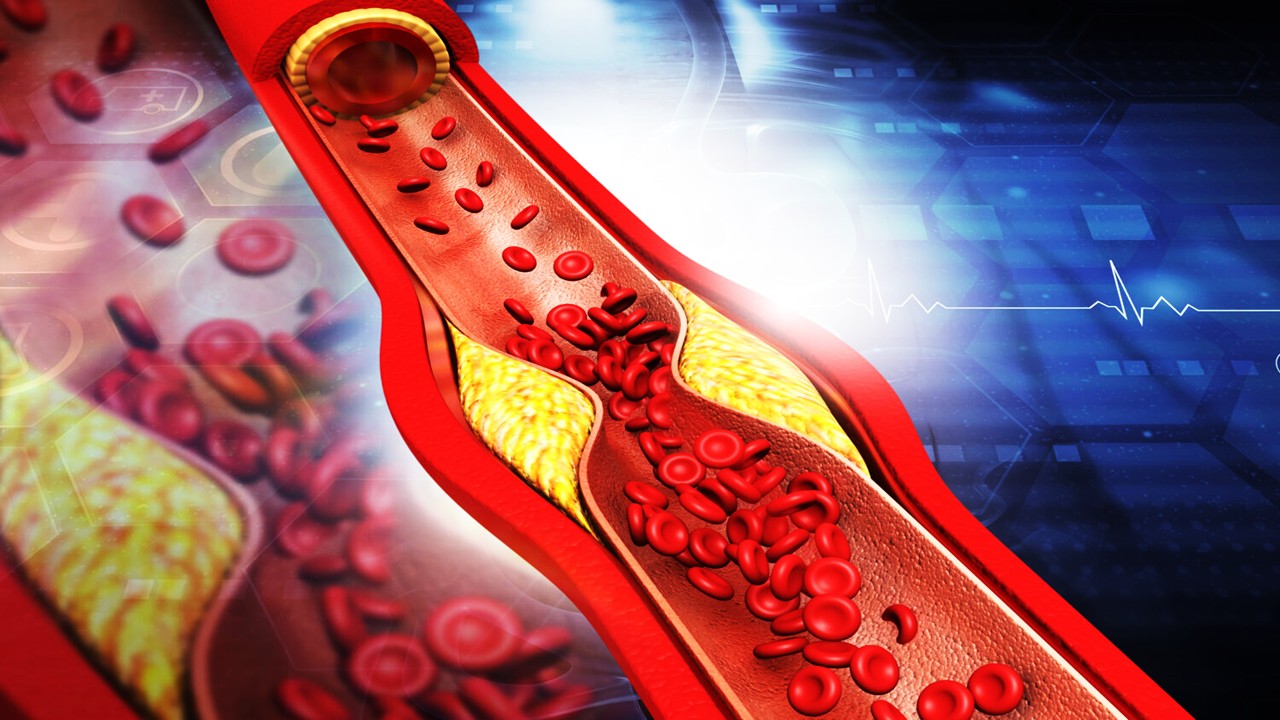
Silent Corpses, Dangerous Plaques: How Defective Cell Clearance Shapes Atherosclerosis Progression and Rupture
Failed clearance of apoptotic cells drives necrotic core expansion and inflammatory persistence, making defective efferocytosis a central determinant of atherosclerotic plaque vulnerability.

Chronic & Debilitating Diseases
Lowering the Pressure: Baxdrostat Redefines Resistant Hypertension
Astrazeneca’s Baxdrostat demonstrates that selective aldosterone synthase inhibition can transform the treatment of resistant hypertension and beyond.

Chronic & Debilitating Diseases
Refactoring Fatty Liver Care: How Metabolic Medicines, Microbiota, and Nuclear Receptors Are Rewriting NAFLD Therapy
NAFLD care is shifting toward mechanism-matched, multi-pathway therapy that aligns diet and exercise with metabolic, endocrine, and immunofibrotic drugs to bend the liver’s trajectory toward repair.
Read More Articles


Medicinal Chemistry & Pharmacology
February 16, 2026
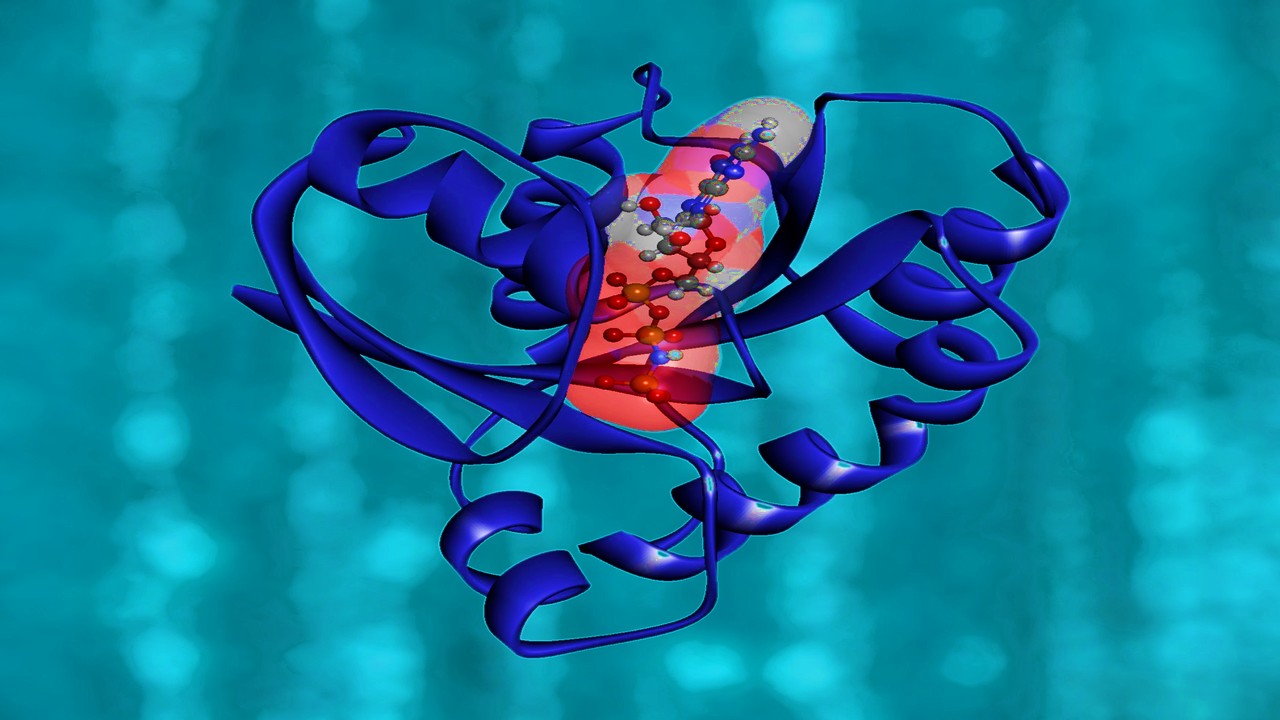
Spatial Collapse: Pharmacologic Degradation of PDEδ to Disrupt Oncogenic KRAS Membrane Localization
PDEδ degradation disrupts KRAS membrane localization to collapse oncogenic signaling through spatial pharmacology rather than direct enzymatic inhibition.

Medicinal Chemistry & Pharmacology
February 4, 2026
Neumedics’ Integrated Innovation Model: Dr. Mark Nelson on Translating Drug Discovery into API Synthesis
Dr. Mark Nelson of Neumedics outlines how integrating medicinal chemistry with scalable API synthesis from the earliest design stages defines the next evolution of pharmaceutical development.

Clinical Operations
February 3, 2026
Zentalis Pharmaceuticals’ Clinical Strategy Architecture: Dr. Stalder on Data Foresight and Oncology Execution
Dr. Joseph Stalder of Zentalis Pharmaceuticals examines how predictive data integration and disciplined program governance are redefining the future of late-stage oncology development.

Medicinal Chemistry & Pharmacology
February 2, 2026
Exelixis Clinical Bioanalysis Leadership, Translational DMPK Craft, and the Kirkovsky Playbook
Senior Director Dr. Leo Kirkovsky brings a rare cross-modality perspective—spanning physical organic chemistry, clinical assay leadership, and ADC bioanalysis—to show how ADME mastery becomes the decision engine that turns complex drug systems into scalable oncology development programs.

Regulatory Affairs
January 30, 2026
Policy Ignition: How Institutional Experiments Become Durable Global Evidence for Pharmaceutical Access
Global pharmaceutical access improves when IP, payment, and real-world evidence systems are engineered as interoperable feedback loops rather than isolated reforms.