Molecular Architecture of Post-Traumatic Neuroinflammation
The immediate biochemical aftermath of spinal cord injury unfolds as a dense cascade of cytokine perturbations that reshape the microenvironment of the damaged neural axis. Mechanical trauma initiates a rapidly intensifying interplay between glial activation, axonal membrane disruption, and emergent leukocyte infiltration, each contributing to profound shifts in cytokine expression. Within this early kinetic window, cerebrospinal fluid becomes a privileged compartment, reflecting cytokine signatures that arise directly from parenchymal distress and meningeal signaling. The contrast between cerebrospinal fluid and circulating blood becomes especially pronounced because the blood–spinal cord barrier experiences transient destabilization that alters molecular transport. This destabilization permits fluctuating degrees of cytokine exchange but does not eliminate the compartmental specificity that defines early inflammatory biology. These competing currents position the acute phase as a period of biochemical dissonance that sets the trajectory for later tissue remodeling.
As inflammatory processes consolidate, the cytokine landscape evolves into a multilayered network governed by chemotactic gradients and regionally restricted immune recruitment. Elevated IL6 in cerebrospinal fluid during the first days after trauma exemplifies the intensity of intrathecal inflammation and illustrates how cytokine amplification circuits can become locally entrapped. The same patient simultaneously exhibits distinct serum signatures, revealing that systemic immunity does not simply echo central nervous system events but rather interprets them through peripheral homeostatic filters. Divergent trends in IL8 between cerebrospinal fluid and serum further demonstrate that neuroinflammatory drivers operate at different temporal and spatial frequencies. Such divergent responses expose subtle distinctions between intrinsic central nervous system repair attempts and extracranial compensatory mechanisms governed by myeloid activation thresholds. The interplay of these forces creates complex signaling architectures that progressively redefine the immunological identity of the injured spinal cord.
The cytokines most acutely induced in cerebrospinal fluid typically correlate with cellular actors situated at the lesion epicenter, including astrocytes, microglia, infiltrating neutrophils, and early monocyte-derived macrophages. These cells orchestrate the first layer of inflammatory kinetics through receptor-mediated engagement of IL6, CCL26, IL8, and CCL23, each of which participates in tissue stress amplification as well as provisional repair. While serum cytokines also respond dynamically, their fluctuations often reflect systemic reactions to tissue damage rather than direct participation in parenchymal neurobiology. This distinction becomes critical when comparing regional injury patterns, as cervical, thoracic, and lumbar injuries produce different mechanical stresses yet can converge on shared molecular signatures. Nevertheless, subtle regional differences emerge when chemokines such as CCL17 shift disproportionately in relation to segmental lesion localization. These nuanced spatial variations show that cytokine profiles are inseparable from the anatomical and mechanical context in which injury occurs.
In the context of developing mechanistic frameworks for spinal cord injury biomarkers, early intrathecal cytokine elevations form the foundation for time-dependent trajectories that will require continuous mapping. As investigators refine multiplex technologies and extract increasingly granular biomarker patterns, the disparity between cerebrospinal fluid and serum becomes more than a methodological inconvenience; it becomes a gateway into understanding central nervous system–specific immunobiology. The subsequent sections draw from this foundation to examine how temporal cytokine dynamics reveal cellular transitions that differentiate acute neuroinflammatory behavior from systemic immune participation. This shift toward dissecting time-linked biochemical architecture opens a more advanced analytical landscape for interpreting injury severity and recovery potential.
Temporal Divergence in Cytokine Trajectories After Injury
The first three days after trauma represent an accelerated biochemical epoch during which cytokine concentrations exhibit their sharpest deviations from uninjured baselines. In cerebrospinal fluid, IL6 surges dramatically, reflecting glial activation and the recruitment of cells that amplify lesion-center inflammation through receptor-coupled signal transduction pathways. CCL26 rises concurrently in both compartments, establishing itself as a molecule whose behavior appears unrestrained by compartmental boundaries, potentially due to its chemotactic influence on eosinophils and activated immune subsets. These early responses mirror the intensity of neurovascular disruption, suggesting that biochemical shockwaves emanating from the lesion propagate with varying degrees of permeability across central and peripheral compartments. In contrast, serum displays prominent IFN-γ elevation, driven not only by innate immune reactivity but also by T-cell activation secondary to tissue perturbation. The juxtaposition of these patterns underscores that early cytokine kinetics reflect both direct neural damage and systemic attempts to modulate broader inflammatory tone.
Over the first week post-injury, the cytokine landscape transitions into a more regulated but still turbulent state in which initial spikes begin to diminish while secondary mediators assume prominence. Cerebrospinal fluid maintains elevated IL6, IL8, CCL22, and CCL23 during this period, revealing that intrathecal inflammatory loops continue to operate even as acute mechanical damage stabilizes. Serum behavior, however, demonstrates a complex mixture of sustained elevation in molecules like CCL26 and IFN-γ alongside pronounced suppression of IL1b, IL10, CXCL9, CXCL11, and GMCSF. These reductions indicate that systemic immune circuits shift toward recalibration, possibly aiming to counterbalance excessive inflammatory signals emerging from the injured cord. Such opposing trajectories reveal asynchrony between systemic feedback mechanisms and central immune acceleration, highlighting the multi-layered nature of post-traumatic immune adaptation. The timeline thus becomes a map of competing priorities between injury-adjacent tissue and peripherally orchestrated immunoregulation.
By the second week, cytokine signals in cerebrospinal fluid acquire a distinctly modulated character as IL6 and IL8 begin to decline while CCL26 remains persistently elevated. This persistence suggests that certain chemokines may not merely respond to injury but may actively participate in sustaining chronic inflammatory microenvironments that impede regeneration. CCL26’s continued elevation across both compartments implies that it may serve as a conserved inflammatory anchor in spinal cord injury biology, regardless of injury severity or anatomical region. Meanwhile, serum cytokines show diminishing contrast between early and mid-subacute phases, revealing a narrowing window during which systemic biomarkers reliably reflect central nervous system states. This divergence between compartments demonstrates that serum becomes progressively less representative of intrathecal biochemistry as inflammatory networks reorganize. Such findings emphasize that the temporal dimension of cytokine fluctuations is inseparable from their compartmental origins.
As the timeline progresses toward later subacute phases, cytokine patterns reveal the transition from acute inflammatory dominance toward more structured, lesion-specific immunological remodeling. These transitions highlight why temporal mapping is essential for interpreting cytokine relevance not just as static biomarkers but as dynamic indicators of cellular reprogramming. The next subheading explores how these compartmental and temporal divergences converge into region-dependent signatures that refine our understanding of how injury location shapes inflammatory identity. This movement from temporal to spatial differentiation marks a necessary shift in decoding how the spinal cord interprets and responds to trauma at the molecular scale.
Regional Signatures and Compartment-Specific Immune Responses
Segmental anatomy exerts a subtle but detectable influence on cytokine expression patterns, demonstrating that the spinal cord’s longitudinal organization imprints itself on inflammatory behavior. Cervical injuries display heightened CCL17 activity during the first week, implying intensified recruitment of T-cell subsets that traffic preferentially to upper spinal regions under inflammatory stress. Thoracic injuries, meanwhile, show distinctive elevations in CCL3 during later stages, suggesting a delayed chemokine response driven by microenvironmental conditions unique to mid-spinal tissues. Lumbar injuries exhibit comparatively muted chemokine deviations, reflecting tissue characteristics that may produce less pronounced region-dependent inflammatory gradients. These spatial differences reveal that cytokine expression cannot be decoupled from anatomical context when interpreting post-traumatic biology. Such findings advance the view that spinal cord injury is not a monolithic pathological event but a regionally modulated biochemical process.
Within cerebrospinal fluid, regional divergence is further shaped by the geometry of cerebrospinal circulation and differential glial densities across spinal segments. Regions with dense synaptic networks and high astroglial reactivity, such as the cervical cord, produce sharper cytokine inflections due to both greater metabolic demand and higher vulnerability to ischemic propagation. By contrast, thoracic segments, which have different microvascular arrangements, create cytokine patterns that emphasize chemotactic reinforcement rather than rapid pro-inflammatory escalation. Lumbar regions, with their distinct neuronal populations and dorsal root architectures, respond more gradually and may attenuate certain cytokine signals that appear robust in higher regions. These anatomical nuances reveal that inflammatory signaling is mediated not only by injury magnitude but also by the intrinsic physiological properties of each spinal zone. The interplay between anatomy and cytokine output thus becomes essential for interpreting region-specific pathology.
In serum, regional differences manifest through altered ratios of systemically active cytokines whose sources may include peripheral immune tissues responding to cues released from distinct spinal compartments. Cervical injuries induce pronounced elevations of CCL27 and IL2, suggesting that upper spinal trauma influences systemic immunity in ways that differ from injuries located farther from the cervicothoracic lymphatic interfaces. Thoracic injuries, by contrast, are associated with substantial reductions in CCL17, GMCSF, and TNFα, illustrating that mid-spinal trauma may dampen specific cytokine systems even while others intensify. Lumbar injuries show more conserved systemic responses, indicating that their signaling patterns do not perturb immune networks as aggressively as higher segment injuries. These distinctions reinforce that serum cytokines represent the cumulative effect of both central and peripheral processes rather than a direct mirror of cerebrospinal fluid activity. Thus, compartmental interpretation remains critical to avoiding misclassification of biomarker significance.
Understanding these spatial relationships enables a more sophisticated appreciation of how spinal cord injury progresses beyond the acute period and how cytokines serve as molecular proxies for tissue-specific distress. As analytical approaches evolve, integrating regional and temporal data will be essential to constructing biomarker frameworks capable of distinguishing clinically meaningful patterns from general inflammatory noise. This sets the stage for examining how these multidimensional cytokine signatures support the development of combined biomarker strategies rather than reliance on single-molecule indicators. The next subheading therefore turns toward the broader implications of cytokine interplay for diagnostic precision and therapeutic design.
Toward Integrated Biomarker Frameworks for Precision SCI Intervention
Attempts to define a single cytokine as a definitive biomarker for spinal cord injury have repeatedly encountered the obstacle of biological redundancy and overlapping inflammatory functions. Molecules such as IL6, IL8, IFN-γ, and CCL26 demonstrate broad roles in diverse pathological states, making them insufficient as standalone indicators of spinal cord injury severity. Instead, their diagnostic value emerges through combinatorial profiling in which temporal dynamics, compartmental distinctions, and regional influences converge to produce identifiable molecular signatures. Multiplex analysis technologies expand this interpretive capability by capturing simultaneous elevations and suppressions across numerous cytokines, allowing investigators to reconstruct the immunological architecture of injury. Such multidimensional datasets reveal patterns that would remain obscured if cytokines were examined individually. This layered approach thus shifts biomarker science toward a network-based paradigm capable of capturing the true complexity of spinal cord injury biology.
The utility of combined cytokine signatures extends beyond diagnostics and into therapeutic design, where targeted interventions increasingly require precise understanding of inflammatory microenvironments. Treatments aimed at modulating IL6 signaling, for example, may show benefit when deployed during periods of maximal cerebrospinal fluid elevation but may require adjustments when systemic cytokines follow divergent trajectories. Similarly, modulation of chemokines such as CCL26 or CCL23 may prove beneficial only when their behavior aligns with defined phases of glial activation or leukocyte recruitment. These insights highlight why temporal resolution is essential for aligning therapeutic actions with underlying biological events rather than relying on static biomarker values. Designing such time-sensitive interventions requires continuous refinement of post-traumatic cytokine maps. Through these mappings, therapeutic strategies can become synchronized with the evolving biochemical landscape of injury.
Multiplex platforms also lay the groundwork for predicting functional outcomes by linking cytokine behavior to neurological assessments such as the ASIA Impairment Scale. When cytokine patterns correlate with degrees of motor and sensory preservation, they provide a biochemical dimension that enhances the interpretive power of clinical examinations. This approach compensates for limitations inherent in behavioral and sensory testing, which may not capture subtle neurobiological progression during early phases of recovery. Furthermore, biochemical markers may detect pathophysiological events before they become clinically visible, thereby enabling earlier intervention. The integration of these biochemical and clinical datasets positions cytokine profiling as a cornerstone for future precision-medicine strategies in spinal cord injury. As predictive models mature, such approaches may influence real-time treatment decisions during both acute and subacute windows.
As biomarker frameworks evolve toward greater sophistication, they will increasingly rely on synergistic analysis of central and peripheral cytokine behaviors rather than compartmental isolation. This transition requires comprehensive datasets, expanded patient cohorts, and adherence to analytical rigor capable of identifying meaningful trends across diverse injury contexts. The progression toward integrated biomarker strategies opens the possibility of mechanistically informed, personalized interventions that align therapies with each patient’s precise inflammatory trajectory. The field continues to move toward predictive modeling that unites molecular, anatomical, and clinical data into a unified interpretive system that may ultimately redefine spinal cord injury management. From here, the broader implications of cytokine signatures invite further research into therapeutic timing, pathway modulation, and individualized recovery forecasting.
Study DOI: https://doi.org/10.3390/biomedicines11102641
Engr. Dex Marco Tiu Guibelondo, B.Sc. Pharm, R.Ph.,B.Sc. CompE
Editor-in-Chief, PharmaFEATURES

Subscribe
to get our
LATEST NEWS
Related Posts

Neuroscience & Neuropharmacology
Negotiated Degeneration: How Molecular Intervention and Access Architecture Shape Neurodegenerative Outcomes
Through their partnership, Cycle Pharmaceuticals and Inceptua Group illustrate how operational excellence and access strategy can be as decisive as scientific innovation in rare and degenerative disease therapeutics.

Neuroscience & Neuropharmacology
Axonal Frontiers: Therapeutic Advances and Persistent Biological Barriers in Motor Neuron Degeneration
Therapies for motor neuron degeneration increasingly aim to modify disease biology rather than merely buffer its consequences.
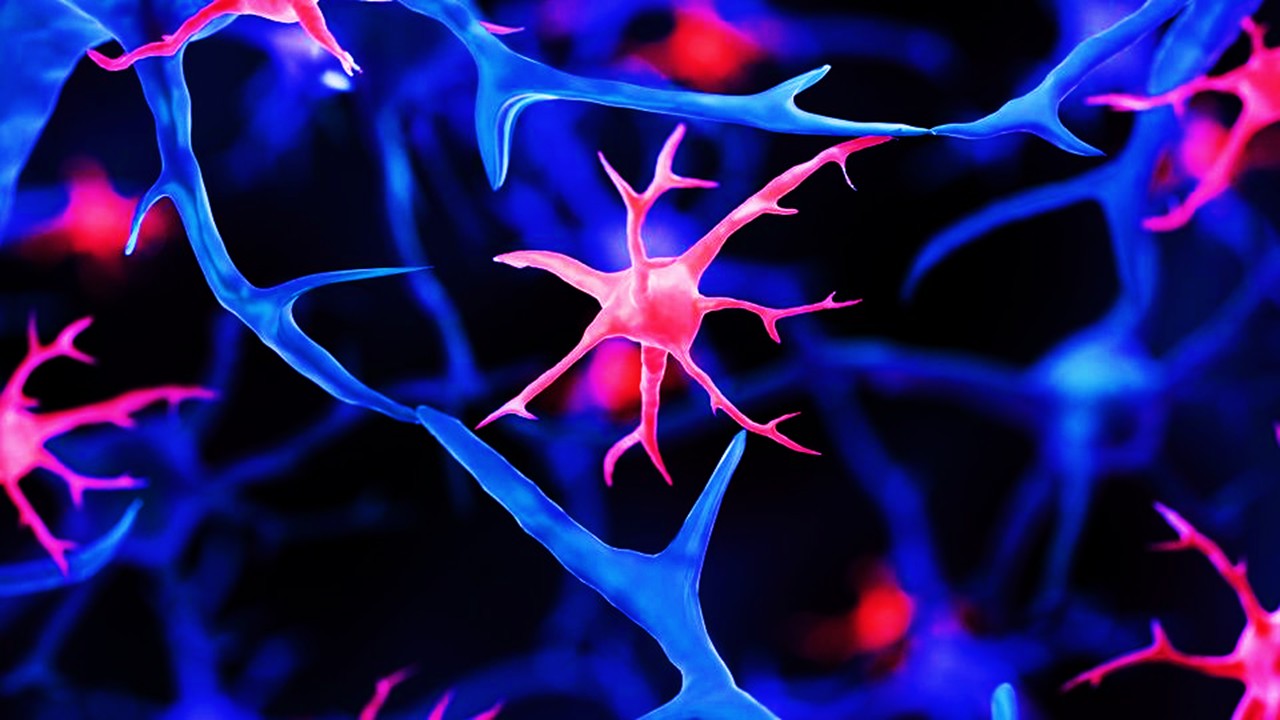
Neuroscience & Neuropharmacology
Neuroimmune Recalibration: Antibiotic-Driven Modulation of Glial Signaling Networks for Advancing Neuropathic Pain Therapeutics
Antibiotic-driven modulation of glial activity offers a powerful mechanistic framework for developing precision treatments in neuropathic pain.

Neuroscience & Neuropharmacology
Neural Thresholds: Mechanistic Predictors Guiding Response to Anti-CGRP Monoclonal Antibodies
Predicting response to anti-CGRP monoclonal antibodies requires integrating sensory phenotypes, psychological states, biological markers, and migraine history into a unified mechanistic framework.
Read More Articles


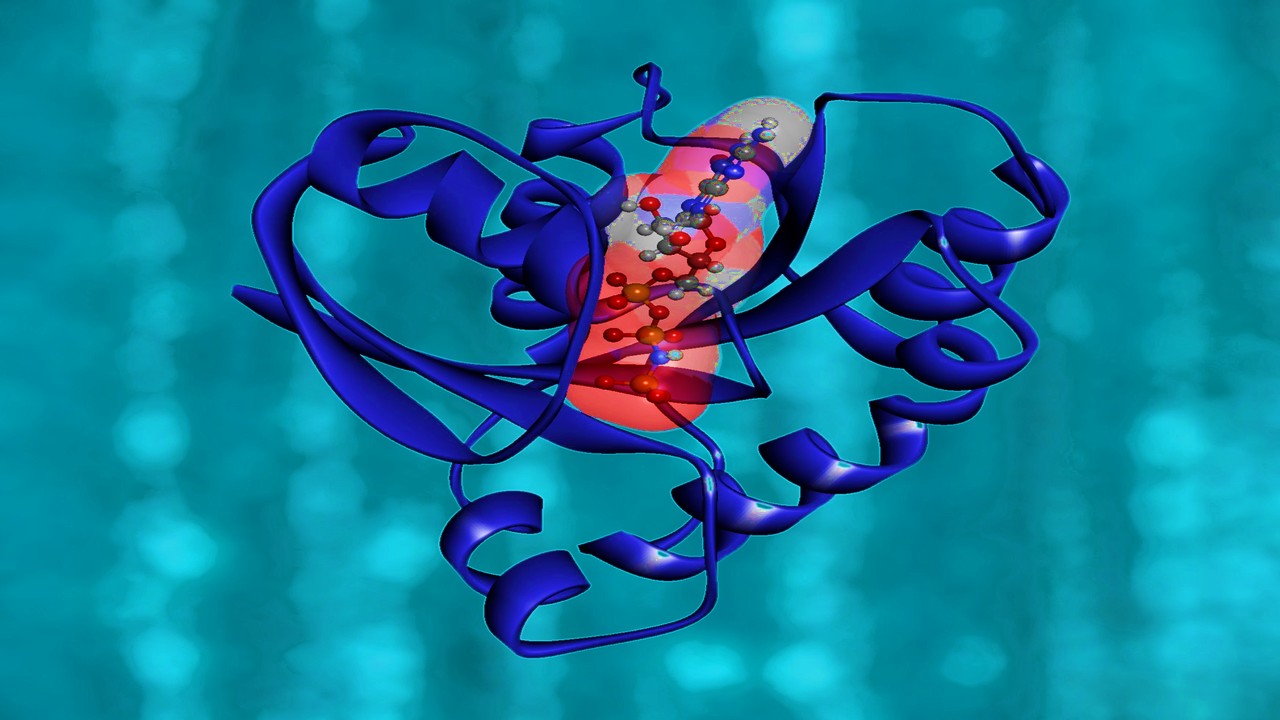
Medicinal Chemistry & Pharmacology
February 16, 2026
Spatial Collapse: Pharmacologic Degradation of PDEδ to Disrupt Oncogenic KRAS Membrane Localization
PDEδ degradation disrupts KRAS membrane localization to collapse oncogenic signaling through spatial pharmacology rather than direct enzymatic inhibition.

Medicinal Chemistry & Pharmacology
February 4, 2026
Neumedics’ Integrated Innovation Model: Dr. Mark Nelson on Translating Drug Discovery into API Synthesis
Dr. Mark Nelson of Neumedics outlines how integrating medicinal chemistry with scalable API synthesis from the earliest design stages defines the next evolution of pharmaceutical development.

Clinical Operations
February 3, 2026
Zentalis Pharmaceuticals’ Clinical Strategy Architecture: Dr. Stalder on Data Foresight and Oncology Execution
Dr. Joseph Stalder of Zentalis Pharmaceuticals examines how predictive data integration and disciplined program governance are redefining the future of late-stage oncology development.

Medicinal Chemistry & Pharmacology
February 2, 2026
Exelixis Clinical Bioanalysis Leadership, Translational DMPK Craft, and the Kirkovsky Playbook
Senior Director Dr. Leo Kirkovsky brings a rare cross-modality perspective—spanning physical organic chemistry, clinical assay leadership, and ADC bioanalysis—to show how ADME mastery becomes the decision engine that turns complex drug systems into scalable oncology development programs.

Regulatory Affairs
January 30, 2026
Policy Ignition: How Institutional Experiments Become Durable Global Evidence for Pharmaceutical Access
Global pharmaceutical access improves when IP, payment, and real-world evidence systems are engineered as interoperable feedback loops rather than isolated reforms.