Reconstructing a Fossil-Fueled Legacy
The pharmaceutical industry, historically synonymous with energy-intensive precision and thermal stability, finds itself on the precipice of a monumental shift. For decades, its manufacturing pipelines have leaned on fossil fuel-derived power to maintain cleanroom conditions, enable solvent recovery, drive reaction kinetics, and stabilize temperature-sensitive biologics. These energy demands, although justified by pharmacological exactitude, contribute significantly to greenhouse gas emissions across Scope 1 (direct emissions), Scope 2 (purchased energy), and Scope 3 (upstream and downstream supply chain) boundaries. As regulators, investors, and global consortia recalibrate their tolerance for carbon-heavy production methods, pharmaceutical companies are being nudged—and in some cases shoved—toward decarbonization. The challenge is not just replacing energy inputs with green alternatives but doing so without jeopardizing molecular stability, GMP compliance, or throughput velocity.
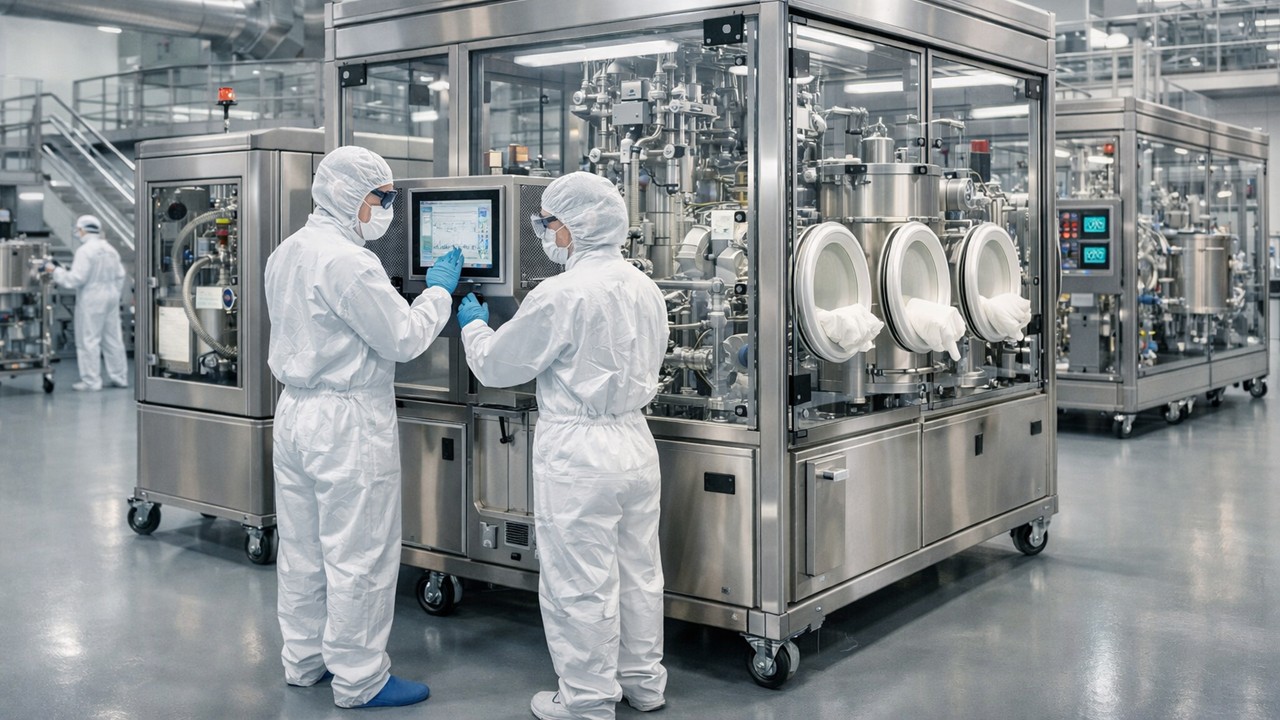
Within this shifting paradigm, decarbonization no longer sits as a marginal sustainability goal but becomes a critical determinant of industrial continuity. The difficulty lies in reconciling clean energy sources with legacy bioprocessing systems designed for uninterrupted baseload power. Traditional batch reactors and continuous biologic fermenters were optimized for fossil-driven thermal consistency, creating a material science barrier when transitioning to variable renewable power sources. Moreover, HVAC systems that ensure sterile cleanroom air exchanges and maintain ISO 5–7 environments consume substantial energy, which becomes operationally volatile when paired with fluctuating wind or solar grids. Reimagining the process means innovating upstream in facility design and downstream in waste valorization while embedding real-time energy intelligence into supervisory control systems.
Yet the decarbonization of pharmaceutical manufacturing is not merely a matter of swapping fuel sources. It demands a molecular-level redesign of how energy interacts with matter—from low-enthalpy drying techniques to the adoption of photoredox catalysis that sidesteps thermal input altogether. Researchers are investigating how biocatalysis and electrochemical synthesis, long considered impractical due to narrow process windows, may now thrive under distributed renewable generation when paired with AI-enabled predictive control. In tandem, production plants are experimenting with energy storage buffers such as cryogenic air systems or flow batteries, which modulate temporal disparities between energy availability and process demand. These engineered solutions must mesh with strict pharma-grade operational integrity while driving toward a net-zero carbon architecture.
The urgency to act is underscored by growing governmental pressure, particularly as climate-linked disclosures become embedded into ESG mandates and public procurement decisions. Pharmaceutical giants, once shielded by their health-centric mission, are now viewed through a wider ethical lens—where planetary health is inseparable from human health. Internal carbon pricing, green bonds for decarbonization projects, and renewable-powered facility certifications are becoming not just trendsetters but prerequisites for competitive survival. Energy transition is now entwined with market access, brand resilience, and the license to operate in a carbon-constrained future.
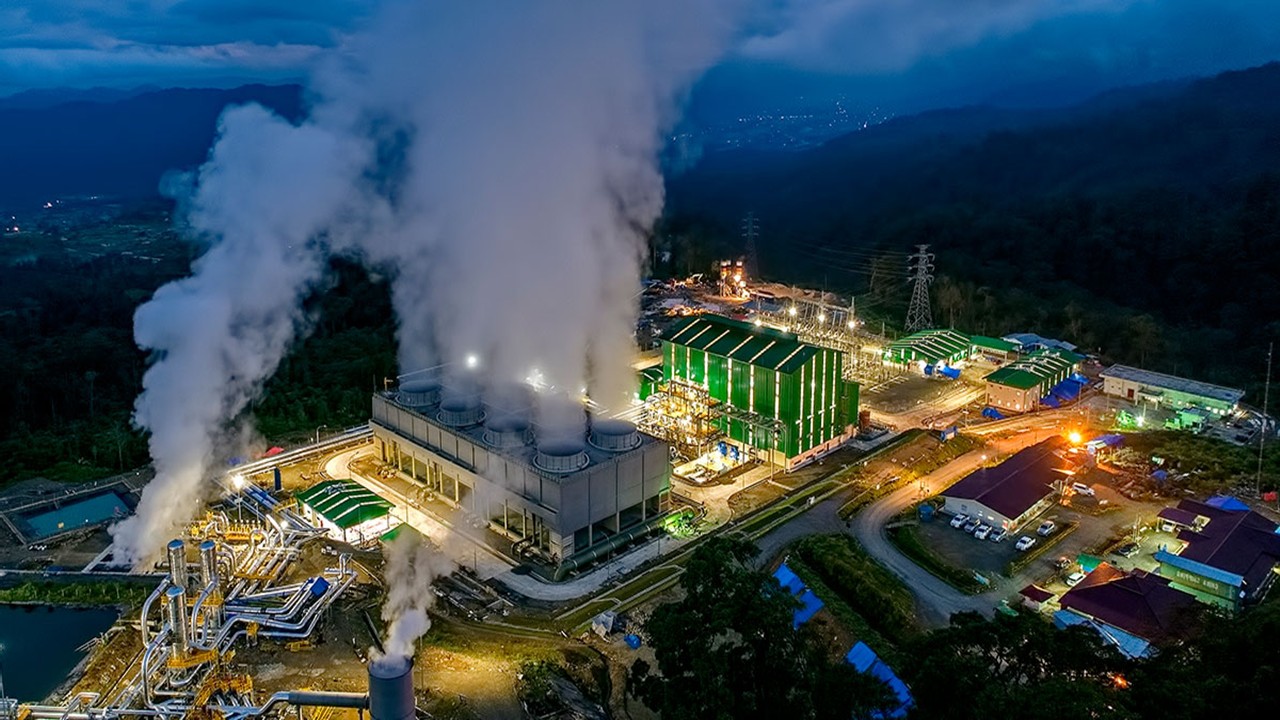
Across continents, leading pharmaceutical players are aligning with this tectonic redirection—not simply from reputational imperatives but because resilience now means energy independence. On-site solar arrays, geothermal boreholes, and offshore wind partnerships no longer exist on sustainability brochures alone but are engineered into operational KPIs and supply chain logistics. The narrative is evolving—from decarbonization as an environmental act to decarbonization as a systems-engineering discipline integrated into pharma’s molecular backbone.
Engineering Thermodynamic Transitions
Thermodynamics, the unsung architecture behind pharmaceutical synthesis, sits at the center of the energy-carbon dialectic. Most pharmaceutical processes operate under tightly controlled thermal regimes—from crystallization and freeze-drying to API synthesis and tablet coating—each defined by energy transfer governed by enthalpy, entropy, and reaction kinetics. Traditionally, this energy is supplied through natural gas boilers, steam generators, or electric heaters driven by carbon-intensive grids. Transitioning to renewables forces a reconsideration of how thermal load is generated, stored, and distributed without violating GMP stipulations or batch integrity. The shift requires not just hardware substitution but algorithmic reinvention of heat flow modeling across process units.
Solar thermal collectors, for instance, can supply low to medium-grade process heat but must contend with temporal intermittency and non-uniform irradiance. Engineers are now deploying phase-change materials embedded in walls and pipelines to capture solar energy during peak hours and release it during troughs, ensuring temperature uniformity essential for critical quality attributes (CQAs). Meanwhile, heat pump systems, when coupled with geothermal sources, are engineered to operate within narrow thermal deadbands crucial for biologic viability. These systems enable near-continuous heating and cooling cycles while offloading carbon footprints from central boiler systems.
The dilemma intensifies in sterility-critical operations such as sterile filtration, lyophilization, and aseptic filling, where power supply volatility could result in microbial contamination, loss of viability, or batch failure. Here, the deployment of flywheel-based kinetic energy recovery systems ensures that even second-scale power drops are buffered to prevent risk. In parallel, machine-learning models trained on thermodynamic simulations are now being embedded into building management systems (BMS) and process control units, allowing predictive heat compensation rather than reactive adjustments.
Energy-intensive steps such as granulation drying or solvent distillation are also undergoing transformation through microwave-assisted drying and membrane-based solvent recovery systems. These alternatives dramatically reduce thermal input per unit output by replacing fossil-fueled convection with more spatially selective and energy-efficient mechanisms. Such re-engineering is not plug-and-play; it demands a requalification of each unit operation under the new thermal regime and often requires site-wide recalibration of HVAC load balancing.
Moreover, batch process intensification is being merged with thermal modeling to minimize peak energy draw, effectively flattening energy demand curves across the operational day. These dynamic scheduling systems—often integrated with local renewable energy availability forecasts—enable production planners to synchronize thermodynamic demand with clean energy supply, reducing reliance on fossil-based peaker plants. This thermodynamic choreography is not just about energy matching; it is a precision dance that must preserve every molecule’s pharmacological fidelity under reengineered thermal conditions.
Molecular Synthesis in a Renewable Era
At the atomic frontier of pharmaceutical innovation, the reconfiguration of synthesis pathways under renewable conditions is redefining what is chemically feasible. Traditional synthesis methods often demand high temperatures, pressure regimes, or toxic solvents—all of which are energy-intensive and environmentally burdensome. Emerging green chemistry platforms, however, now leverage ambient-pressure electrosynthesis, enzymatic catalysis, and photochemical transformations powered directly by renewable electricity, reframing the very logic of reaction planning. These alternatives not only decarbonize the energy source but often eliminate the need for purification-heavy steps that consume even more power downstream.
Electrosynthesis, once dismissed for its lack of scalability, is now resurging due to advances in electrode design, reactor configuration, and continuous-flow integration. Using wind- or solar-powered direct current, pharmaceutical manufacturers can now drive oxidation or reduction reactions that previously required thermal reagents. This electrochemical approach drastically reduces waste, minimizes solvent dependency, and permits on-demand reaction tuning—a critical advantage in agile manufacturing settings.
Photoredox catalysis, which harnesses visible light to drive bond-forming reactions, is also emerging as a serious contender in the decarbonized synthesis arsenal. By substituting photon energy for thermal energy, these reactions can proceed at room temperature, thereby reducing HVAC and solvent heating loads. Moreover, light-based catalysis aligns seamlessly with the intermittency of solar energy, enabling processes that activate when irradiance is high and pause when it falls, without compromising reaction selectivity or yield.
Biocatalysis brings an entirely new modality to decarbonized pharma production. Engineered enzymes now catalyze stereoselective transformations at mild temperatures and pressures, often in aqueous media. These processes are not only energy-thrifty but also highly specific, eliminating the need for multi-step derivatization or protective group chemistry. The integration of enzyme cascades into modular microreactors is enabling continuous biomanufacturing powered by renewable electricity—offering a clean, scalable, and economically viable route to complex small molecules and peptides.
Still, each of these renewable-driven transformations imposes new constraints on reaction design, scalability, and downstream processing. Photons, electrons, and enzymes behave differently from conventional reagents, demanding a retooling of laboratory synthesis playbooks and industrial scale-up models. Synthetic chemists, once focused on retrosynthetic logic, now must think photonic, electrochemical, and enzymatic in parallel—choosing the energy vector that minimizes carbon input while maximizing pharmacophore integrity.
Renewable Infrastructure as an Active Process Variable
Unlike passive energy procurement from national grids, the integration of on-site renewable infrastructure repositions energy itself as an active process variable within pharmaceutical manufacturing. Rooftop solar, wind turbines, geothermal borefields, and hydrogen electrolysers become not merely sources of electrons but components of the process design itself. These systems must be harmonized with demand-side control strategies that modulate production rates based on real-time energy availability, blurring the lines between utilities engineering and production planning.
In practice, smart microgrids now form the nervous system of these facilities—balancing clean energy supply, storage, and load in millisecond intervals. Battery storage systems, particularly lithium-iron-phosphate (LFP) banks, act as frequency stabilizers and energy arbitrators, allowing plants to draw from stored solar power during high-cost peak hours. In more advanced installations, hydrogen fuel cells are integrated into Combined Heat and Power (CHP) loops, enabling simultaneous electricity generation and waste heat recovery for facility heating.
Control logic governing this energy ecosystem is increasingly dictated by AI-powered energy management systems that forecast production demands, solar irradiance, and electricity prices. These systems orchestrate when to run energy-hungry unit operations like lyophilizers, centrifuges, and chromatography columns to coincide with energy surpluses, thereby flattening the energy load curve and maximizing renewable utilization. Over time, such systems build a data-rich model of energy behavior that informs equipment retrofitting, schedule optimization, and capital expenditure planning.
Crucially, the physical design of the plant must evolve alongside its energy brain. Passive solar design, thermally efficient materials, and modular cleanrooms reduce the energy burden from the outset, enabling renewable inputs to meet more of the load without compromise. Air handling units with variable frequency drives (VFDs), coupled with real-time occupancy sensors, reduce HVAC oversupply while maintaining regulatory sterility standards. Even wastewater heat recovery and nutrient loop closures are being adopted as auxiliary means to shave off marginal energy demand.
This interplay between infrastructure and molecular design is fundamentally reshaping pharma’s operating model. Facilities are no longer fixed reactors plugged into static grids but dynamic systems modulated by the energy inputs that sustain them. The pharmaceutical plant of the future resembles less an industrial monolith and more a living, learning organism—self-balancing, carbon-minimal, and chemically precise.
Supply Chain Synchronization with Renewable Rhythms
Pharmaceutical decarbonization cannot succeed within facility walls alone; it must extend outward across the full tapestry of procurement, logistics, and distribution. The upstream sourcing of raw materials—especially solvents, excipients, and packaging components—often involves embedded carbon from petrochemical synthesis, long-haul shipping, and energy-intensive purification. To match the progress made in on-site renewables, pharmaceutical companies are now requalifying vendors based not only on quality systems but also on carbon accounting transparency and renewable energy integration. The supplier of the future will be evaluated by how its own energy profile contributes—or detracts—from the manufacturer’s net-zero pathway.
To this end, renewable-powered chemical suppliers are emerging as strategic allies in supply chain redesign. Firms that use bio-based feedstocks, operate solar-heated distillation towers, or employ green hydrogen in reductive chemistries offer more than marketing appeal—they reduce Scope 3 emissions and simplify Life Cycle Assessment (LCA) metrics. Pharmaceutical companies are signing long-term renewable power purchase agreements (PPAs) not just for their own campuses, but to underwrite renewable transitions in critical upstream partners, especially those in solvent-intensive intermediate synthesis or glassware fabrication. These supplier co-investments reflect a systemic view of decarbonization, where supply chain interdependence becomes a lever for collective transformation.
On the logistics front, decarbonized distribution systems are beginning to decouple pharmaceutical transportation from fossil fuels. Electric vehicle fleets, hydrogen-powered trucks, and cold-chain containers powered by renewable-charged batteries are now under deployment for regional drug delivery. Drone logistics and e-cargo bikes have entered the last-mile delivery equation, especially in urban areas where speed, temperature sensitivity, and carbon neutrality must converge. Real-time logistics orchestration systems—interfacing with weather, traffic, and grid data—are enabling carbon-minimal routing strategies that prioritize time-sensitive shipments without peaking carbon emissions.
Even warehouse design is being reimagined to align with energy-conscious operations. Facilities now integrate translucent roofing, passive air circulation, and dynamic shelf refrigeration systems that modulate power draw based on external climate and internal stock level. Packaging innovations also play a central role—especially those that minimize thermal mass, utilize biodegradable insulation, or double as passive temperature stabilizers. These designs reduce both the energy required to condition shipments and the volume that must be transported.
Ultimately, synchronizing pharmaceutical supply chains with renewable rhythms means accepting the fluidity of energy availability as a constraint to optimize against rather than a fixed input to take for granted. This energy-aware supply chain model integrates renewable integration not as an afterthought but as a first principle—guiding supplier selection, inventory management, and distribution topology. It transforms logistics from a passive service into an active node of decarbonization logic, aligned with the molecular intent and ethical footprint of the pharmaceutical product itself.
Regulatory Coherence and Market-Driven Pressure
Regulatory bodies are increasingly becoming catalysts rather than obstacles to renewable energy transitions in pharma. While compliance frameworks such as GMP, ICH Q10, and ISO 14644 prioritize product safety and process consistency, they are now being reinterpreted to include sustainability dimensions, particularly under the influence of Environmental, Social, and Governance (ESG) integration. Agencies are beginning to accept renewable-powered equipment validations, alternative cleanroom HVAC strategies, and carbon-labeled packaging—so long as product identity, purity, and efficacy are maintained. The emergent trend is clear: sustainability is being folded into the lexicon of quality, not treated as orthogonal to it.
In parallel, environmental disclosure standards such as the Task Force on Climate-related Financial Disclosures (TCFD), EU Taxonomy regulations, and emerging SEC climate risk rules are forcing pharmaceutical companies to publicly account for their carbon exposure. Decarbonization, in this light, becomes not just a reputational advantage but a fiduciary duty. Investors now demand forward-looking energy strategies, quantified carbon targets, and integrated decarbonization project pipelines as conditions for capital access. Pharmaceutical companies that fail to adapt face both financial exclusion and regulatory scrutiny.
Market pressure is reinforcing these top-down mandates. Hospitals, insurance providers, and national health services are beginning to embed carbon metrics into procurement policies, evaluating drugs not only on clinical merit but also on life-cycle carbon intensity. Carbon-conscious health systems may favor a biosimilar over an originator if its manufacturing process is demonstrably greener. This procurement behavior is slowly but surely recoding market incentives, compelling pharmaceutical companies to differentiate on sustainability alongside efficacy and safety.
Product labeling is evolving as well. Carbon-neutral drug certifications, green pharmacy ratings, and energy footprint declarations are entering public health communications and direct-to-consumer branding. These indicators allow patients and prescribers to select treatments aligned with planetary values, placing subtle but accumulative market pressure on manufacturers to reconfigure energy systems. Companies that can trace and verify the carbon reduction journey of their products—through blockchain-enabled energy traceability or third-party audit platforms—stand to build consumer loyalty in increasingly climate-aware demographics.
Crucially, all of this converges toward a vision where energy transition is no longer framed as a constraint to be endured but a lever to be pulled. In this emerging framework, regulation and market demand align to reward those who decouple drug production from carbon, not as charity but as strategy. Decarbonization becomes a form of competitive advantage, a path to regulatory ease, financial resilience, and ethical prominence in a sector that holds life itself in its balance.
From Molecule to Megawatt: Rethinking Innovation Incentives
The ultimate challenge lies not in the feasibility of decarbonizing pharmaceutical manufacturing, but in aligning institutional incentives to do so at scale and speed. Research and development, the beating heart of the pharmaceutical enterprise, often remains insulated from energy considerations, with synthesis pathways evaluated for efficacy, IP defensibility, and scalability—but rarely for energy intensity or carbon throughput. A new innovation paradigm is required, one that integrates energy efficiency and renewable compatibility as fundamental parameters in drug design and process engineering.
This requires reframing innovation incentives. Grant agencies, venture arms, and academic-industry partnerships must prioritize projects that demonstrate not only therapeutic novelty but also renewable process compatibility. The emergence of “green IP” portfolios—patents that protect not just molecules but decarbonized means of making them—will become a strategic asset in licensing negotiations and public-private partnerships. Cross-disciplinary teams of chemists, process engineers, data scientists, and energy economists will need to co-create synthesis routes where energy is not an afterthought but a catalytic enabler.
Education must also adapt. The chemist of the next decade must be fluent not only in retrosynthesis and spectral interpretation but also in thermal modeling, life cycle analysis, and renewable grid behavior. Engineering curricula must teach GMP through the lens of carbon logic, linking process control theory with decarbonization principles. Emerging professionals will need to consider electron flows with the same gravity they currently assign to reagent costs or reaction yield.
Philanthropic capital and global health funds can play a powerful enabling role here, underwriting decarbonization pilot plants for essential drug manufacturing in low-income countries where grid carbon intensity is often highest. These installations not only serve local populations with life-saving treatments but act as demonstrators of renewable-integrated pharma systems. When open-sourced, such models can leapfrog legacy fossil infrastructure and become benchmarks for wider adoption.
In the final analysis, the decarbonization of pharmaceutical manufacturing is not a side project but a rewiring of the industry’s core. It requires more than moral resolve—it requires molecular reimagination, regulatory agility, infrastructural foresight, and financial realignment. Yet the reward is profound: a pharmaceutical enterprise that heals the body without harming the planet. In that future, every molecule carries not only a therapeutic purpose but a climate promise—a new kind of medicine, engineered not just for efficacy, but for endurance.
Engr. Dex Marco Tiu Guibelondo, B.Sc. Pharm, R.Ph., B.Sc. CpE
Editor-in-Chief, PharmaFEATURES

Subscribe
to get our
LATEST NEWS
Related Posts
Chemistry, Manufacturing & Controls
Factory Logic: Modular Pharmaceutical Manufacturing Enabling Rapid Drug Production and Continuous Innovation
Modular pharmaceutical factories transform drug manufacturing into a continuously evolving technological system capable of integrating new therapies, processes, and production innovations without disrupting regulated operations.

Chemistry, Manufacturing & Controls
People-First Science: How Sustained Human-Capital Engineering Underpins Pharmaceutical Excellence
Hovione’s repeated Top Employer certification highlights how advanced pharmaceutical organizations are engineering human-capital systems with the same rigor applied to manufacturing and development processes.

Read More Articles





Medicinal Chemistry & Pharmacology
April 14, 2026
Igor Nasonkin and Phythera Therapeutics: Moving Oncology Beyond Single Targets into Engineered Polypharmacologic Systems
Igor Nasonkin’s systems-driven approach at Phythera Therapeutics reframes oncology drug development from single-target inhibition to AI-enabled polypharmacologic network modulation using nature-derived molecular architectures.


Artificial Intelligence and Data Analytics
April 10, 2026
Inside Johnson & Johnson’s External Innovation Engine: Devin Swanson on Translating Integrated Discovery into Strategic Value
Devin Swanson’s leadership at Johnson & Johnson Innovative Medicines redefines external innovation as a tightly governed, AI-enabled translational system integrating multi-modal drug discovery, biomarker strategy, and capital-efficient execution.

Immunology & Oncology
April 9, 2026
From DMPK to Distributed Execution: Mehran F. Moghaddam’s Systems Strategy at OROX BioSciences, Inc.
A systems-level examination of how Mehran F. Moghaddam operationalizes DMPK, externalized R&D, and lipid-mediated therapeutics into a predictive, high-velocity biotech development architecture.