From Reishi Chemistry to Hepatic Steatosis Biology
A fatty liver begins as a bookkeeping problem inside hepatocytes, where incoming carbon arrives faster than mitochondria and export pathways can reconcile it. Oleic-acid–driven steatosis models compress that biology into a controllable setting: hepatoma-derived cells are pushed toward lipid droplet formation, and the cytoplasm starts to look like a warehouse for neutral lipids rather than a factory for metabolic decisions. In that context, the scientific aim is not aesthetic de-fatting but identifying molecules that interrupt the biochemical commitments that convert surplus substrate into stored triglyceride. Ganoderma lucidum, often called reishi, is chemically suited for this role because it produces a dense suite of lanostane-type triterpenes whose oxidation patterns encode distinct protein-binding personalities. These scaffolds are not “generic antioxidants” so much as sterol-like frameworks decorated with polar handles that can interrogate enzymes, transporters, and nuclear receptors involved in lipid homeostasis. When a traditional hepatoprotective fungus is asked a modern question—which exact molecules move the lipid needle in liver cells—it answers in structural dialects rather than folklore.
The lanostane triterpene skeleton behaves like a steroid cousin with a different evolutionary backstory, and that resemblance matters because lipid metabolism is policed by proteins that evolved to recognize rigid polycyclic shapes. Small changes—an extra carbonyl, a shifted hydroxyl orientation, a methyl ester where a carboxyl might sit—alter solubility, membrane partitioning, and how a ligand sits inside an active site. In Ganoderma, these variants are not rare curiosities; they are a recurring chemical language that generates families of ganoderic and lucidenic acids with overlapping but non-identical targets. The liver is particularly sensitive to such molecules because it is both a metabolic hub and a xenobiotic-processing organ, meaning it “sees” high concentrations of incoming phytochemicals and their metabolites. When hepatocytes are steatotic, they amplify stress signals—from endoplasmic reticulum strain to redox imbalance—that can shift the apparent potency of a compound by changing which pathways are rate-limiting. So a lipid-lowering effect in a cell model is best interpreted as a perturbation of the cellular decision network, not merely a detergent-like dissolution of fat.
The study’s central strategy is activity-guided isolation, which treats fractionation as a hypothesis engine: separate the extract, test each fraction in the steatosis model, and let biology tell chemistry where to look next. This approach is quietly rigorous because it forces every purification step to justify itself with a phenotype, reducing the chance that purification simply selects for abundance or chromatographic convenience. Once an active region is identified, structural elucidation becomes the bridge between “something works” and “this is the molecule doing it,” and that bridge is built with orthogonal spectroscopy. Multidimensional NMR establishes connectivities and stereochemical relationships, mass spectrometry constrains elemental composition, and complementary IR and UV features help confirm functional group classes that influence reactivity and binding. The result is not only a structural claim but a mechanistic invitation, because the substituent pattern suggests which enzyme pockets or receptor grooves might accept the molecule. In a field crowded with crude extracts and broad claims, the insistence on purified structures forces the conversation into molecular accountability.
Rather than yielding a single hero compound, the work uncovers a small constellation: newly described lanostane-type triterpenes alongside closely related analogues that differ at strategically important positions on the scaffold. The scientific value of this “family portrait” is that it allows structure–activity reasoning to emerge without pretending that one molecule explains all of Ganoderma’s pharmacology. If several related compounds reduce cellular lipid accumulation while others do not, the differences become a map of which functional groups matter for the lipid phenotype. In these systems, the most informative contrasts often involve the polarity and orientation of hydroxyl groups and the distribution of carbonyls that can participate in hydrogen bonding within catalytic sites. That kind of stereochemical nuance is exactly what distinguishes a molecule that merely enters cells from one that can sit long enough and correctly enough on a regulatory protein to shift flux. And because lipid metabolism is multi-layered—spanning enzymatic synthesis, transcriptional control, and organelle-level partitioning—the best next question is not “does it work,” but “where in the lipid decision hierarchy does it apply pressure.” With that, the story naturally turns from structure discovery to pathway logic.
Lanostane Microarchitecture and Why “Similar” Compounds Diverge
Two lanostane-type triterpenes can share a skeleton yet behave like different pharmacological species, because the liver reads functional groups as instructions for binding, trafficking, and metabolism. A methyl ester can increase lipophilicity and membrane residence time, changing how readily a compound reaches endoplasmic-reticulum–embedded enzymes central to lipid synthesis. Carbonyl placement can tune electrophilicity and alter how strongly a molecule engages polar residues in active sites, especially when the protein pocket already evolved to recognize sterol intermediates. Hydroxyl orientation is not cosmetic; it controls whether a hydrogen bond is geometrically feasible, which in turn influences dwell time and the probability of a meaningful conformational effect on the protein. Even when two analogues both “fit,” one may trigger a stabilizing interaction network while the other slips into a less productive pose that fails to influence catalysis. In practice, this means that the phrase lanostane-type triterpene is a category label, not a mechanism.
In the hepatocyte, lipid accumulation reflects competing fluxes: de novo fatty acid synthesis, cholesterol biosynthesis, esterification into triglycerides, oxidation, and export via lipoprotein assembly. Lanostane triterpenes can, in principle, touch several of those levers because they resemble sterol-like intermediates while carrying oxidations that allow them to behave as “privileged” ligands for multiple protein classes. The moment a compound reduces lipid droplet burden in an oleic-acid–primed model, it is tempting to narrate a simple story of inhibited synthesis. But a more realistic interpretation is that the compound shifts the regulatory set point, nudging the cell away from storage mode and toward a metabolically safer balance. This could happen by dampening lipogenic enzyme activity, altering transcriptional drivers of lipid synthesis, changing organelle stress signals that promote lipid deposition, or promoting pathways that clear fatty acids. The technical challenge, then, is to distinguish direct enzyme engagement from downstream consequence, because both can end with fewer droplets while implying different therapeutic risks and opportunities. That is why the study’s mechanistic expansion—beyond phenotyping into target inference—matters.
A useful lens is to treat structural variation as an experiment the fungus has already run for us, producing a library where nature explored chemical space around a sterol-like core. When compounds within that library show stronger lipid-lowering behavior than their neighbors, the differences point to “hotspot” positions on the scaffold that control target engagement. In lanostanes, positions that host hydroxyl groups can act like molecular fingertips that probe polar residues, while carbonyl-rich regions can align with catalytic motifs in enzymes that handle acyl groups or sterol intermediates. The side chain terminating region—often bearing acid or ester functionality—can determine whether a compound is retained near membranes where many lipid-synthesis enzymes reside. Importantly, these are not abstract chemical preferences; they map onto the physical geography of lipid metabolism, which is partitioned across the ER, mitochondria, and cytosol. So the same lanostane core, remodeled by oxidation and stereochemistry, can be interpreted as a set of delivery vectors and binding keys aimed at different corners of the hepatocyte. At this stage, “structure” is already a hypothesis about “function.”
Because NAFLD biology is intertwined with insulin resistance and inflammatory tone, a compound that reduces lipid accumulation may also be indirectly shifting signaling networks that regulate metabolic gene expression. AMPK sits at a particularly strategic intersection because it behaves like an energy-state interpreter, suppressing anabolic lipid synthesis when cellular energetics argue against further storage. If a compound can influence AMPK activity or the upstream kinases and cofactors that tune it, the downstream effects can include reduced lipogenic transcriptional programs and altered phosphorylation states of key metabolic enzymes. That is a powerful mechanism because it does not require the compound to outcompete endogenous substrates at a single enzyme active site; it can instead reset multiple lipid-related fluxes at once. However, multi-node influence is also why mechanistic claims must be anchored, because broad pathway language can become a substitute for evidence if not connected to plausible targets. The study addresses that risk by combining target prediction frameworks with docking-based plausibility checks, effectively asking whether the compound can physically “meet” proteins that make biochemical sense in NAFLD. From there, the mechanistic narrative sharpens into specific enzymes that sit at the gates of fatty acid and cholesterol biosynthesis.
The emergence of fatty acid synthase and HMG-CoA reductase as central nodes is biologically intuitive because these proteins represent commitment steps in producing lipid building blocks. Fatty acid synthase is a catalytic assembly line for generating long-chain fatty acids, feeding the substrate pool that can be esterified into triglycerides. HMG-CoA reductase is the well-known rate-setting enzyme in cholesterol biosynthesis and is clinically validated as a target class through statins, making it a familiar anchor for lipid-lowering logic. Lanostane-type triterpenes have precedent for interacting with HMG-CoA reductase–related biology, which helps situate new findings within an established pharmacological landscape. Yet the compelling nuance is that the compound under discussion is not simply mimicking a statin-like pharmacophore; it is using a sterol-like topology with distinct oxygenation to engage lipid machinery in a different geometric language. That difference matters for downstream effects, selectivity, and the possibility of multi-target synergy that might fit the complex network nature of NAFLD. With plausible targets in view, the story can now move from chemical architecture to computationally supported mechanism.
Mechanistic Convergence on AMPK, FASN, and HMGCR
Mechanistic work in modern natural-products pharmacology often begins with a paradox: the phenotype looks coherent, but the cell contains too many possible causal routes to trust intuition alone. Network pharmacology approaches attempt to tame that complexity by intersecting predicted compound targets with disease-associated target landscapes, highlighting proteins that are both chemically plausible and pathophysiologically relevant. Done carefully, this does not “prove” a mechanism; it generates a ranked set of mechanistic bets that can then be stress-tested with orthogonal evidence. In NAFLD, those bets frequently cluster around lipid synthesis enzymes, energy-sensing kinases, inflammatory mediators, and membrane-trafficking components that affect lipid droplet dynamics. The strength of the approach is that it can reveal convergence: multiple plausible targets that sit within the same regulatory pathway, suggesting that the compound’s effect may propagate through an interpretable signaling backbone. In this study’s framing, that backbone is closely linked to AMPK-associated control over lipogenesis and sterol synthesis.
AMPK is best understood as a metabolic referee that calls time-outs on biosynthesis when energy conditions are strained, and hepatic steatosis is often the result of biosynthesis continuing when it should be restrained. When AMPK signaling is engaged, the cell tends to suppress anabolic programs and favor oxidation and conservation, which is an attractive direction for a steatotic hepatocyte overloaded with lipid substrate. Crucially, AMPK’s influence is not limited to one enzyme; it can coordinate multiple nodes that collectively determine whether fatty acids are made, burned, or packaged. That makes AMPK pathway enrichment findings meaningful because they imply a mechanism capable of explaining a broad lipid phenotype without requiring a single “magic bullet” enzyme blockade. Still, pathway enrichment becomes persuasive only when it links to proteins with clear biochemical roles and credible ligand compatibility. Fatty acid synthase and HMG-CoA reductase satisfy that requirement because they sit at decisive steps in producing the very substrates that accumulate in NAFLD.
Fatty acid synthase acts like a molecular foundry, translating acetyl and malonyl building blocks into long-chain fatty acids that can become triglycerides, membrane lipids, or signaling molecules. In steatosis, that foundry effectively overproduces inventory, and the hepatocyte stores the excess as lipid droplets when export and oxidation cannot keep pace. Interfering with fatty acid synthase activity or its regulatory context can therefore reduce the substrate pressure that drives triglyceride accumulation. What makes a lanostane-type triterpene interesting here is that it offers a rigid, sterol-like core that can engage hydrophobic pockets while presenting oxygenated groups that anchor the molecule through polar interactions. This combination can yield stable occupancy in a protein environment that is otherwise optimized for lipid-like substrates and intermediates. In other words, the compound can behave less like a classical polar inhibitor and more like a structurally compatible “intruder” that the lipid-processing enzyme cannot easily ignore.
HMG-CoA reductase occupies a similarly pivotal position for cholesterol biosynthesis, and its clinical history makes it a compelling target when discussing lipid-lowering activity. The enzyme sits in the endoplasmic reticulum membrane system where lipid synthesis is coordinated with lipoprotein assembly and broader metabolic signaling. If a compound interferes with this node, the hepatocyte can be nudged away from sterol overproduction, which matters because cholesterol metabolism and triglyceride accumulation are biologically entangled in fatty liver disease progression. Lanostane-type triterpenes have been discussed in the literature as interacting with HMG-CoA reductase–related target space, reinforcing the idea that reishi chemistry can intersect with well-known lipid control points. Yet the functional aim here is not to replicate statin pharmacology, but to discover structurally distinct ligands that may bring different selectivity profiles and multi-target behavior. That distinction is especially relevant in NAFLD, where single-target interventions can fail if compensatory pathways quickly restore lipid storage.
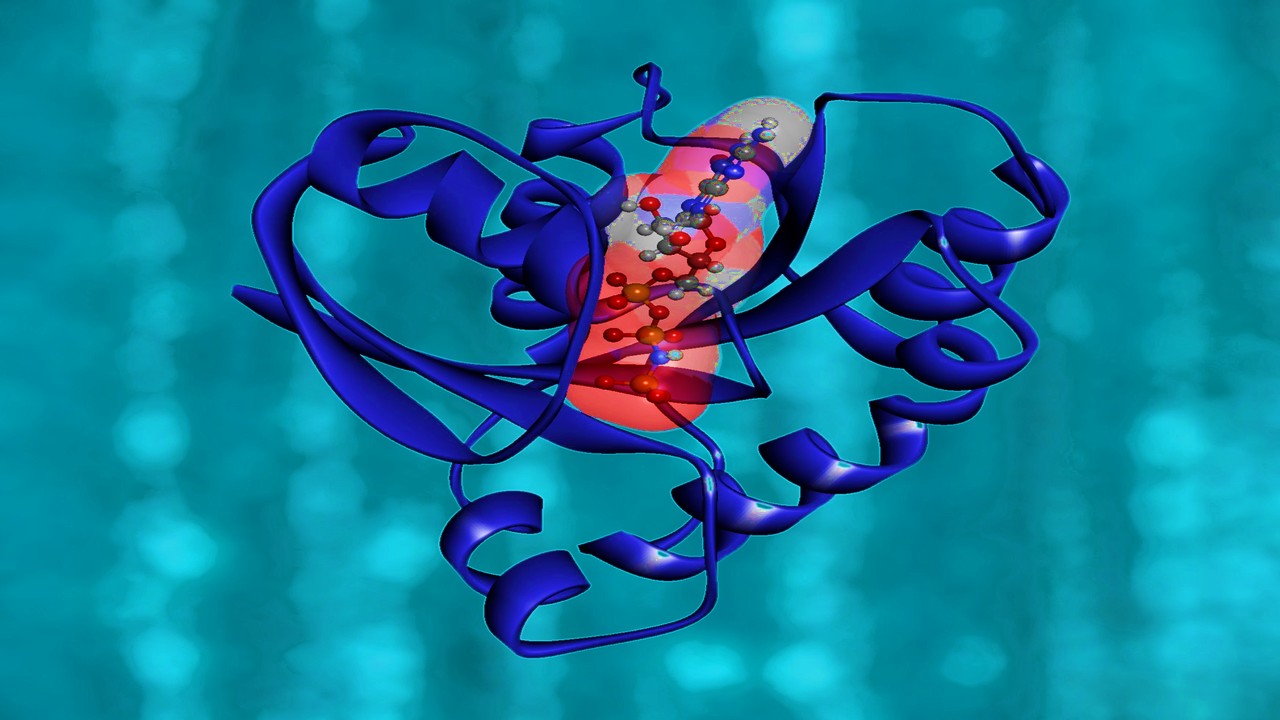
Molecular docking adds a spatial reality check by asking whether the compound can occupy the active-site or functional pocket of a target in a chemically reasonable pose. When docking suggests stable interaction motifs, it supports the idea that the compound does not merely correlate with pathway enrichment but can plausibly engage the proteins that define that pathway’s output. Molecular dynamics simulation extends this by treating binding as a time-dependent relationship rather than a frozen snapshot, probing whether the ligand–protein complex remains coherent under thermal motion. If the complex maintains stable contact patterns—through hydrogen bonding and hydrophobic packing—the binding claim becomes more than decorative computational imagery. In the narrative logic of this study, the combination of network pharmacology, docking, and dynamics is used to converge on a mechanistic thesis: the compound can plausibly bind lipid-synthesis gatekeepers and thereby participate in AMPK-linked reprogramming of hepatic lipid flux. With that convergence established, the remaining scientific question becomes translational: what does a compelling in vitro and in silico story demand next, and how should it be framed as a lead-compound path rather than a supplement slogan.
Translating a Lanostane Lead from Cell Phenotype to Therapeutic Logic
A HepG2 steatosis model is not a liver, but it is a disciplined first filter because it isolates the lipid-accumulation problem from whole-organism confounders. In that simplified environment, reduced lipid droplet burden is best interpreted as a shift in intracellular lipid handling rather than a promise of clinical reversal of NAFLD. The translational value lies in prioritizing molecules with clean cellular tolerability profiles and reproducible lipid phenotypes, then carrying them into models where endocrine context, immune tone, and tissue architecture can validate or dismantle the early story. For lanostane-type triterpenes, this is especially important because metabolism can re-sculpt the molecule, changing both exposure and target engagement in vivo. The methyl ester feature that helps a compound enter cells may also create metabolic liabilities, while hydroxyl and carbonyl patterns can invite conjugation and rapid clearance. So the next steps are less about celebrating an “active” molecule and more about mapping its pharmacokinetic fate as carefully as its binding hypotheses.
A serious lead-compound path would treat the lanostane scaffold as a platform for medicinal chemistry rather than a finished therapeutic. The structure–activity contrasts within the Ganoderma triterpene family suggest which positions on the scaffold can be modified without destroying the lipid phenotype and which positions are likely essential for target contact. That opens the door to analog design aimed at improving solubility, reducing off-target membrane effects, and tuning selectivity toward enzymes and pathways most relevant to hepatic steatosis. Because NAFLD is heterogeneous, a compound that leverages multi-target synergy may be advantageous, but only if the synergy is coherent rather than indiscriminate. AMPK-linked regulation offers a coherent synergy model because it coordinates lipid synthesis, oxidation, and broader energy-state governance in a way that fits the disease network. The translational question then becomes whether the compound influences AMPK signaling upstream, engages downstream enzymes directly, or does both in a way that remains beneficial under physiological lipid loads.
There is also a conceptual payoff in seeing Ganoderma’s triterpenes as “sterol logic modulators” rather than as vague liver tonics. HMG-CoA reductase and fatty acid synthase are not just convenient targets; they are biochemical choke points that define whether a hepatocyte commits resources to building lipid inventory. If a lanostane-type molecule can engage these choke points, it suggests that traditional medicinal fungi may have evolved metabolite classes that naturally interrogate sterol and lipid-handling proteins. That hypothesis is testable, because it predicts that structurally related triterpenes should show patterned activity across sterol and fatty-acid pathways, not random scatter across unrelated targets. It also predicts that binding will be sensitive to stereochemistry, because protein pockets are stereochemical judges that reward precise three-dimensional arrangements. In this way, the mechanistic story is not merely about one compound’s potency, but about a broader chemical ecology in which fungal metabolites and mammalian lipid proteins share compatible geometries.
Ultimately, the scientific meaning of a new lanostane-type triterpene with lipid-lowering activity is that it expands the searchable space of hepatic lipid regulation beyond the usual synthetic libraries. It offers a scaffold that is already “pre-trained” by biology to interact with lipid-relevant proteins, while still being structurally distinct enough to yield new selectivity and combination behaviors. The most rigorous future work would connect the computational and cell-based narrative to direct biochemical assays, transcriptomic or phosphoproteomic readouts of AMPK-linked signaling, and animal models that reflect the systemic nature of fatty liver disease. If the compound’s effects persist in those contexts, the result is not a folk remedy reborn, but a chemically defined lead that can be optimized, dosed, and mechanistically audited. And if the effects do not persist, the work still succeeds by clarifying which parts of the Ganoderma chemical family are mechanistically promising and which are merely spectators in crude extracts. Either way, the story pushes the field toward a more adult relationship with natural products—one where structure, targets, and metabolic context negotiate honestly before any therapeutic claims are made. With that framework established, the topic becomes less about a single molecule and more about how lanostane chemistry can be systematically mined as a lipid-metabolism toolkit.
Study DOI: https://doi.org/10.3389/fchem.2025.1726447
Engr. Dex Marco Tiu Guibelondo, B.Sc. Pharm, R.Ph.,B.Sc. CompE
Editor-in-Chief, PharmaFEATURES

Subscribe
to get our
LATEST NEWS
Related Posts
Medicinal Chemistry & Pharmacology
Spatial Collapse: Pharmacologic Degradation of PDEδ to Disrupt Oncogenic KRAS Membrane Localization
PDEδ degradation disrupts KRAS membrane localization to collapse oncogenic signaling through spatial pharmacology rather than direct enzymatic inhibition.

Medicinal Chemistry & Pharmacology
Neumedics’ Integrated Innovation Model: Dr. Mark Nelson on Translating Drug Discovery into API Synthesis
Dr. Mark Nelson of Neumedics outlines how integrating medicinal chemistry with scalable API synthesis from the earliest design stages defines the next evolution of pharmaceutical development.

Medicinal Chemistry & Pharmacology
Exelixis Clinical Bioanalysis Leadership, Translational DMPK Craft, and the Kirkovsky Playbook
Senior Director Dr. Leo Kirkovsky brings a rare cross-modality perspective—spanning physical organic chemistry, clinical assay leadership, and ADC bioanalysis—to show how ADME mastery becomes the decision engine that turns complex drug systems into scalable oncology development programs.

Read More Articles


Clinical Operations
February 3, 2026
Zentalis Pharmaceuticals’ Clinical Strategy Architecture: Dr. Stalder on Data Foresight and Oncology Execution
Dr. Joseph Stalder of Zentalis Pharmaceuticals examines how predictive data integration and disciplined program governance are redefining the future of late-stage oncology development.

Regulatory Affairs
January 30, 2026
Policy Ignition: How Institutional Experiments Become Durable Global Evidence for Pharmaceutical Access
Global pharmaceutical access improves when IP, payment, and real-world evidence systems are engineered as interoperable feedback loops rather than isolated reforms.

Artificial Intelligence and Data Analytics
January 29, 2026
Sepsis Shadow: Machine-Learning Risk Mapping for Stroke Patients with Bloodstream Infection
Regularized models like LASSO can identify an interpretable risk signature for stroke patients with bloodstream infection, enabling targeted, physiology-aligned clinical management.

Infectious Diseases & Vaccinology
January 28, 2026
Enduring Blockade: Five-Year Functional Antibody Persistence Against Emerging GII.4 and GII.17 Noroviruses
Natural infection with dominant GII noroviruses elicits long-lived functional antibodies, redefining immune durability in viral gastroenteritis.

Immunology & Oncology
January 27, 2026
Signal Switch: Stimuli-Responsive Nanoplatforms That Turn STING On Only Where Tumors Make Sense
Stimuli-responsive STING nanomedicine is an effort to make innate immune activation behave like a gated, tumor-local event rather than a body-wide inflammatory signal.