Microbiome Disruption, Carcinogenic Signaling, and the Rise of Biotic Therapeutics
Cancer emerges through a convergence of genetic instability, environmental exposures, infectious triggers, and disruptions in the microbial ecosystems that regulate host physiology, placing the microbiome at the heart of modern oncologic theory. The gut, populated by diverse microbial communities, engages in constant biochemical communication with host tissues, shaping immune readiness, metabolic efficiency, and epithelial integrity in ways that strongly influence carcinogenic trajectories. Dysbiosis, the pathological disruption of microbial balance, alters the production of metabolites that regulate epithelial repair, immune tolerance, and inflammation, creating a microenvironment that can accelerate tumorigenesis. Shifts in beneficial taxa diminish the generation of short-chain fatty acids, vitamins, and protective peptides, while expansion of harmful microbes introduces genotoxic compounds that damage DNA and weaken mucosal barriers. Tumor-promoting inflammation arises when microbial signals activate intracellular cascades that amplify cytokine release and interfere with apoptotic checkpoints. Recognizing this interplay ultimately reframes the microbiome not as a passive background variable but as an active driver of cancer initiation and progression.
This expanded understanding of dysbiosis has catalyzed a mechanistic exploration of how diet, antibiotics, infection, and lifestyle influence microbial composition and, by extension, cancer risk. High-fat diets reduce protective microbial species and elevate taxa associated with inflammatory states, increasing the production of harmful metabolites that compromise gut integrity and immune equilibrium. Antibiotic exposure reshapes microbial diversity by eliminating commensal organisms and favoring opportunistic pathogens, thereby activating inflammatory circuits that support tumor initiation. Infectious organisms introduce their own metabolic signatures, disrupting microbial networks through competition, inflammation, and immune evasion strategies. These disturbances reinforce oncogenic loops in which microbial imbalance reshapes immune cell recruitment, epithelial proliferation dynamics, and the expression of transcription factors tied to malignancy. As these insights accumulate, the need for microbiome-stabilizing therapeutics becomes increasingly apparent.
Prebiotics, probiotics, synbiotics, and postbiotics—collectively known as biotics—emerge in this context as modulators capable of reestablishing microbial homeostasis while exerting direct anti-tumor effects at the molecular level. These agents influence host tissues by altering gut microbial composition, generating bioactive metabolites, strengthening epithelial defenses, and recalibrating immune responses that are often co-opted during tumorigenesis. Their capacity to reshape oncogenic signaling, induce apoptosis, and support immune surveillance positions them as promising complements to conventional chemotherapy, surgery, and radiotherapy. As mechanistic studies broaden, biotics are increasingly viewed as precision tools capable of targeting carcinogenic pathways with specificity determined by microbial and host context. The field’s rapid maturation suggests that biotics will expand beyond supportive care into mainstream cancer therapeutics.
These developments motivate a deeper exploration of how biotics reshape the molecular networks that drive tumor progression, providing a foundation for examining their roles in modulating oncogenic signaling, immune activity, and epigenetic regulation. Therefore, the next section investigates the mechanistic circuitry through which biotics influence cell-cycle arrest, apoptosis, inflammatory control, and genomic stability across diverse cancer types.
Mechanistic Interactions Between Biotics and Core Oncogenic Pathways
Biotics demonstrate significant potential in suppressing tumorigenic signaling networks through direct modulation of intracellular pathways that influence proliferation, survival, and genetic stability. Beneficial microbes and their metabolites interfere with key oncogenic drivers such as PI3K/Akt, MAPK, and NF-κB, reducing the downstream transcriptional programs that support malignant expansion. Certain probiotic strains produce metabolites that influence phosphorylation events in cancer cells, thereby redirecting signaling cascades from pro-survival states to tumor-suppressive configurations. By upregulating tumor suppressors like PTEN or downregulating kinases that sustain neoplastic growth, these microbes reconfigure intracellular checkpoints that would otherwise remain inhibited. These shifts exemplify how microbial activity can intervene at pivotal nodal points in tumor biology. The complexity of these interactions reinforces the idea that biotic therapeutics operate simultaneously across multiple pathways.
Apoptosis induction represents another major axis through which biotics exert anti-cancer effects, particularly via the intrinsic mitochondrial pathway that governs cellular responses to DNA damage and metabolic stress. Probiotic strains have been shown to increase the expression of pro-apoptotic proteins while decreasing anti-apoptotic regulators, thereby destabilizing mitochondrial membranes and promoting caspase activation. Postbiotic molecules can initiate alternative forms of programmed cell death, including pyroptosis and ferroptosis, by disrupting redox homeostasis or activating inflammasome components that respond to pathogenic cues. These pathways amplify the susceptibility of cancer cells to both intrinsic stressors and therapeutic interventions, increasing their vulnerability to apoptosis-triggering stimuli. The selective nature of these effects, whereby malignant cells demonstrate a greater response than normal tissues, reveals a therapeutic specificity rooted in the altered metabolic states of tumors. This principle provides a compelling rationale for integrating biotics into combination therapies where apoptosis is a desired outcome.
Inflammatory control is another mechanistic pillar of biotic action, as chronic inflammation accelerates tumor progression by sustaining cytokine-driven proliferation, invasion, and immune evasion. Through suppression of NF-κB and MAPK signaling, certain probiotics reduce inflammatory cytokine production and support the generation of anti-inflammatory mediators that stabilize epithelial barriers. These shifts weaken the tumor-supportive environment shaped by persistent immune activation, reducing oxidative stress and mitigating DNA damage. Microbial metabolites that enhance regulatory cytokine expression introduce a secondary layer of immune recalibration, limiting the duration and intensity of pro-tumor inflammatory responses. By modulating receptor-mediated pathways that sense microbial and danger signals, biotics help realign innate immune activation with tissue-protective outcomes. This immunological refinement enhances systemic resilience and reduces the permissiveness of the tumor microenvironment.
Epigenetic modulation further deepens the mechanistic repertoire of biotics, illuminating how metabolites derived from microbial fermentation directly reshape gene expression patterns relevant to cancer prevention. Short-chain fatty acids like butyrate and propionate act as histone deacetylase inhibitors, promoting chromatin relaxation and reactivating silenced tumor suppressor genes that regulate DNA repair and apoptosis. These metabolites also influence DNA methyltransferase activity, reestablishing methylation landscapes associated with genomic stability. The transcriptional consequences of these changes support reduced tumor incidence and slower progression across various preclinical models. These epigenetic effects illustrate how biotics transcend microbial replacement and instead exert molecular control over host regulatory systems. As these pathways intersect with oncogenic signaling and immune modulation, the mechanistic integration of biotics becomes a compelling topic for therapeutic development.
These mechanistic insights naturally lead to an exploration of how biotics perform across specific cancer types, revealing their capacity to modulate tumor development, support conventional therapies, and reduce treatment toxicities. Thus, the next section follows the translation of these molecular pathways into disease-specific outcomes across colorectal, cervical, and breast cancers.
Biotic Applications Across Cancer Types: Translational Insights from Experimental and Clinical Studies
Colorectal cancer provides one of the most instructive landscapes for understanding biotic therapeutics because of its direct interface with the gut microbiome. Prebiotics influence tumor development by enriching beneficial microbial populations capable of producing metabolites that induce apoptosis, promote epithelial integrity, and reduce proliferative signaling. Probiotics exert tumor-suppressive effects by strengthening barrier function, limiting inflammation, and inhibiting oncogenic pathways central to colorectal malignancy. Synbiotics capitalize on the complementary strengths of prebiotics and probiotics, enhancing microbial survival and increasing the production of metabolites that modulate tumor progression at the molecular level. Postbiotics, through their bioactive constituents, bypass viability constraints and deliver precise biochemical cues that target cancer cell proliferation. These observations reflect a multilayered interaction between microbial products and host tissues, suggesting opportunities for disease-stage-specific interventions.
In addition to prevention, biotics demonstrate potential in mitigating treatment-associated toxicities experienced by patients undergoing surgery or chemotherapy for colorectal cancer. Certain probiotic formulations reduce the severity of gastrointestinal disturbances by stabilizing microbial composition and enhancing epithelial protection during cytotoxic therapies. By modulating cytokine release, these agents can dampen inflammatory surges that contribute to postoperative complications or therapy-induced discomfort. Their ability to reinforce mucosal layers reduces permeability-related challenges that often accompany high-dose chemotherapy. Synbiotics in particular appear to support more consistent microbial resilience, reducing the frequency and intensity of adverse gastrointestinal events. These supportive effects illustrate how microbiome-focused interventions can enhance therapeutic tolerability in hard-to-manage clinical contexts.
Cervical cancer provides additional insight into how biotics influence cancers driven by viral infection and epithelial dysregulation. Probiotics dominate the vaginal ecosystem under healthy conditions, and their presence supports pH regulation, cytokine stability, and epithelial homeostasis. Dysbiosis associated with human papillomavirus infection weakens these defenses, enabling viral persistence and progression toward malignant transformation. Prebiotic molecules and probiotic strains can enhance innate antiviral defenses by reinforcing epithelial integrity and promoting cytokine environments unfavorable to viral persistence. Postbiotic molecules derived from Lactobacillus species activate signaling pathways that induce apoptosis in HPV-associated cancer cells, demonstrating an ability to target malignant cells without requiring microbial colonization. These effects highlight the value of localized microbial therapies in cancers shaped by infectious agents.
Breast cancer research demonstrates that systemic metabolic and immunologic effects of biotics extend beyond the gut or vaginal environments, reflecting the interconnected nature of host–microbiome relationships. Prebiotics influence breast cancer progression by generating metabolites capable of altering immune profiles, reducing angiogenic signaling, and supporting tumor suppressor activation. Probiotics administered orally or through fermented foods have been shown to reduce mammary tumor burden in animal models by modulating cytokine environments and suppressing metastatic traits. Synbiotics integrated with chemotherapy support cytokine balance, preserve cognitive function, and reduce mucosal complications, providing a multilayered approach to treatment. These findings collectively reveal how microbiome-derived agents intersect with systemic defenses, altering cellular pathways across distant tissues. With this understanding established, the final section explores the safety considerations, engineering strategies, and future innovations shaping the next era of biotic oncology.
Safety, Bioengineering, and the Future Architecture of Microbiome-Driven Cancer Therapeutics
The clinical translation of biotics requires a nuanced understanding of their safety profiles, which reflect the delicate balance between beneficial microbial activity and host vulnerability. Even though many biotics demonstrate favorable tolerability, the heterogeneity of individual microbiomes complicates predictions about patient-specific responses. Viable probiotics introduce potential risks for translocation, bacteremia, or metabolic imbalance in immunocompromised individuals, necessitating rigorous characterization of strains prior to therapeutic use. The possibility of harboring antimicrobial resistance genes poses another concern, particularly in patients receiving high-intensity antibiotic regimens. These risks emphasize the need for standardized manufacturing, strain-level documentation, and genomic screening to ensure safe deployment. While prebiotics and postbiotics mitigate many of these concerns due to their inanimate or metabolite-based nature, their systemic effects still require careful evaluation.
Engineered probiotics represent a rapidly advancing frontier in microbiome-based oncology, offering targeted designs capable of performing functions not achievable through natural strains. Recombinant bacteria have been developed to express tumor suppressor genes, immunomodulatory molecules, or cytokines tailored to reshape the tumor microenvironment. Engineered strains can release nanobodies that block immune-evasive signals or generate molecules that activate innate immune pathways needed for anti-tumor activity. These constructs function as living biotherapeutics programmed to sense hypoxic niches, deliver therapeutic payloads, or degrade tumor-supportive metabolites. Their specificity arises from genetic circuits that allow activation only within defined microenvironments, reducing off-target risks. As these engineered organisms undergo early-phase clinical testing, they provide a blueprint for how biology can be retooled for precision oncology.
Despite these advancements, the complexity of human tumors and the variability of host–microbiome interactions demand more comprehensive in vivo studies and robust clinical trials. Preclinical models often rely on chemically induced tumors that do not fully replicate human cancer heterogeneity, limiting the predictive power of experimental findings. Human trials must account for dietary differences, environmental exposures, genetic backgrounds, and microbial diversity, all of which influence biotic efficacy. Precision oncology frameworks may eventually incorporate personalized microbial profiling to match patients with specific biotic therapies best suited to their microbial signatures. This future vision requires interdisciplinary coordination across microbiology, oncology, immunology, and computational modeling, ensuring that therapeutic strategies evolve with the expanding complexity of cancer biology.
With these trajectories converging, the integration of biotics into mainstream cancer care will depend on aligning mechanistic insights with practical considerations in safety, scalability, and personalized deployment. As research continues, the evolving interplay between engineered strains, microbial metabolites, and host immune networks promises to redefine cancer therapy as a multilayered, microbiome-aware discipline capable of complementing and enhancing traditional oncologic modalities. Moving forward, these innovations set the stage for a therapeutic landscape in which microbial engineering, metabolic modulation, and immune recalibration converge to shape the next generation of anticancer strategies.
Study DOI: https://doi.org/10.3390/onco5030041
Engr. Dex Marco Tiu Guibelondo, B.Sc. Pharm, R.Ph., B.Sc. CompE
Editor-in-Chief, PharmaFEATURES
Subscribe
to get our
LATEST NEWS
Related Posts

Immunology & Oncology
Degradation Code: Rewriting Pathology by Reprogramming Intracellular Protein Fate
Targeted protein degradation transforms pharmacology from inhibition to elimination, redefining how we therapeutically control protein-driven disease.

Immunology & Oncology
Signal Switch: Stimuli-Responsive Nanoplatforms That Turn STING On Only Where Tumors Make Sense
Stimuli-responsive STING nanomedicine is an effort to make innate immune activation behave like a gated, tumor-local event rather than a body-wide inflammatory signal.

Immunology & Oncology
Marrow Whispers: How B-Cell Circuitry May Shape Acquired Aplastic Anemia and Why CD20 Depletion Is Being Reconsidered
Acquired aplastic anemia may sometimes be maintained by B-cell–supported immune networks, making CD20 depletion a biologically coherent but still nonstandard therapeutic hypothesis.

Read More Articles
Medicinal Chemistry & Pharmacology
March 6, 2026
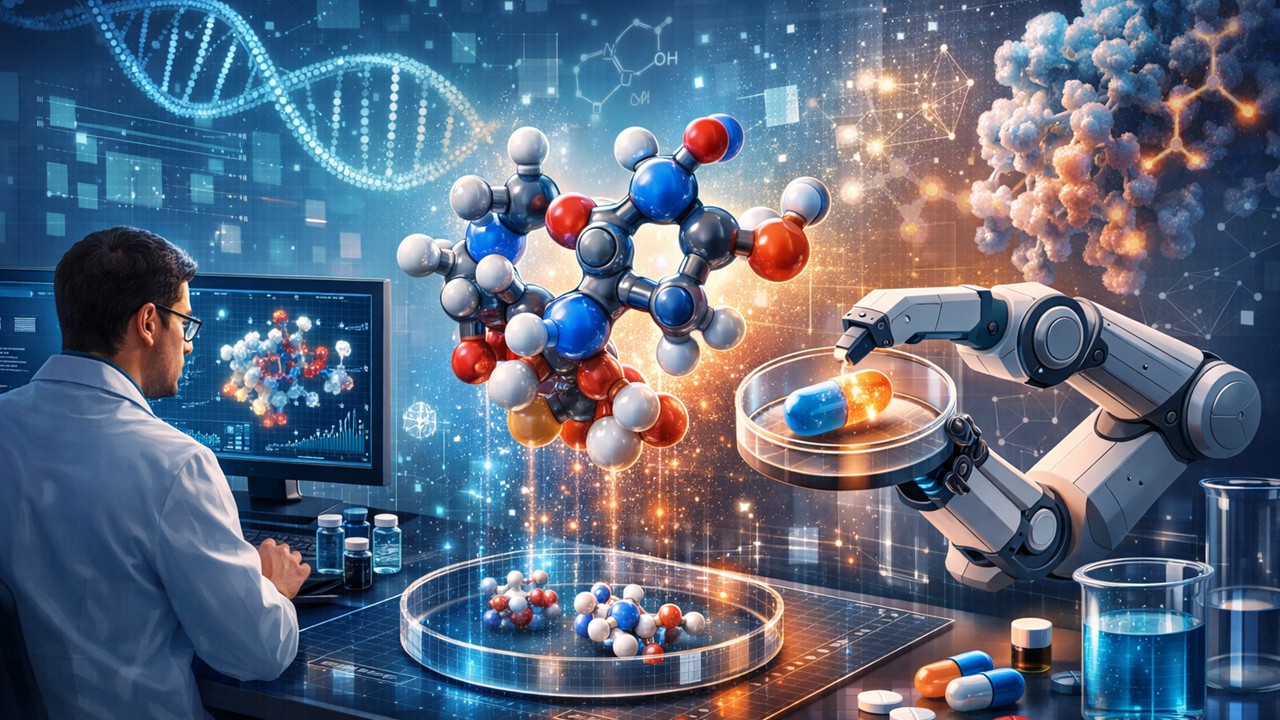
Algorithmic Therapeutics: Artificial Intelligence Reshaping Biotech Drug Discovery and Product Development
Artificial intelligence is transforming biotech by making therapeutic discovery less like screening for luck and more like engineering across molecules, biologics, and delivery systems.
Chemistry, Manufacturing & Controls
March 4, 2026
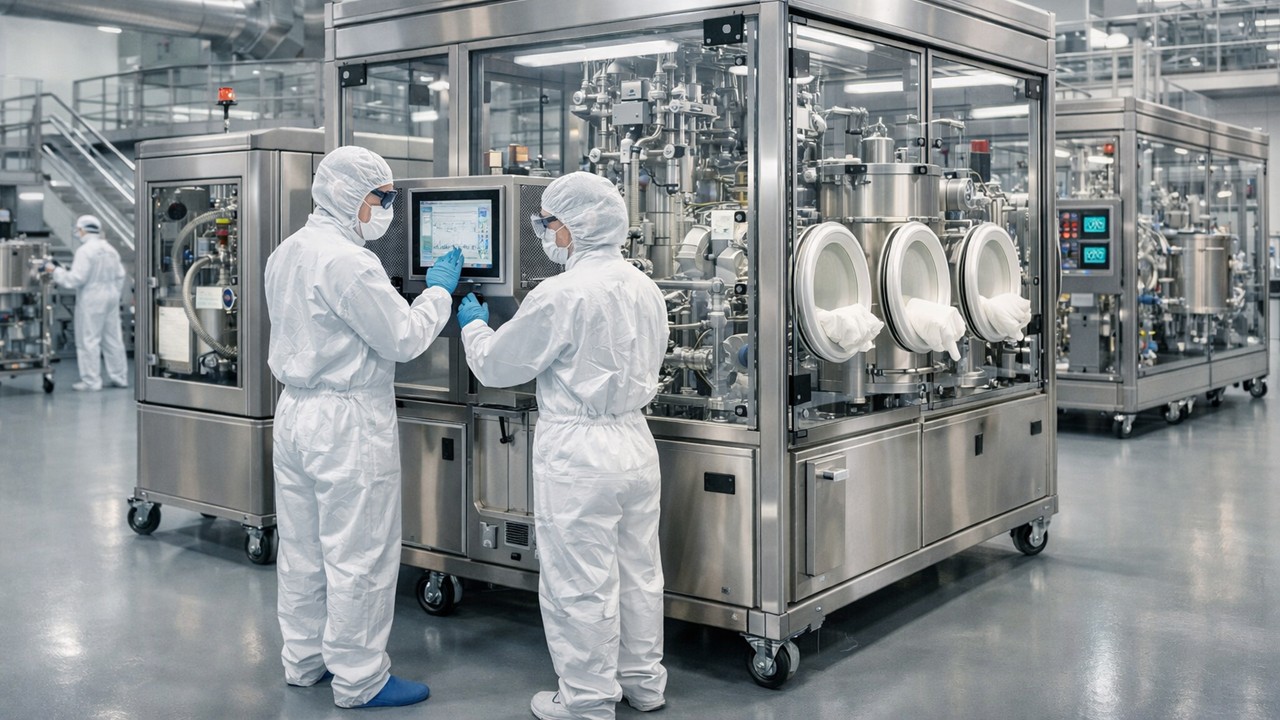
Factory Logic: Modular Pharmaceutical Manufacturing Enabling Rapid Drug Production and Continuous Innovation
Modular pharmaceutical factories transform drug manufacturing into a continuously evolving technological system capable of integrating new therapies, processes, and production innovations without disrupting regulated operations.


Medicinal Chemistry & Pharmacology
February 16, 2026
Spatial Collapse: Pharmacologic Degradation of PDEδ to Disrupt Oncogenic KRAS Membrane Localization
PDEδ degradation disrupts KRAS membrane localization to collapse oncogenic signaling through spatial pharmacology rather than direct enzymatic inhibition.

Medicinal Chemistry & Pharmacology
February 4, 2026
Neumedics’ Integrated Innovation Model: Dr. Mark Nelson on Translating Drug Discovery into API Synthesis
Dr. Mark Nelson of Neumedics outlines how integrating medicinal chemistry with scalable API synthesis from the earliest design stages defines the next evolution of pharmaceutical development.

Clinical Operations
February 3, 2026
Zentalis Pharmaceuticals’ Clinical Strategy Architecture: Dr. Stalder on Data Foresight and Oncology Execution
Dr. Joseph Stalder of Zentalis Pharmaceuticals examines how predictive data integration and disciplined program governance are redefining the future of late-stage oncology development.