Oxidative Drift and the Aging Vasculature
Aging imposes a relentless shift in the vascular redox landscape, reshaping endothelial and smooth muscle behavior in ways that fundamentally alter circulatory homeostasis. As reactive oxygen and nitrogen species accumulate, their presence disrupts the molecular choreography that normally maintains vascular tone, cellular resilience, and anti-inflammatory balance. Smooth muscle cells begin to lose their capacity for precise contractile signaling, while endothelial cells drift toward dysfunction as oxidative reactions erode their nitric oxide–dependent communication pathways. These biochemical shifts create a cellular environment more prone to DNA damage, protein misfolding, and inflammatory activation, each event compounding the previous one. The vascular wall becomes an ecosystem governed by cumulative stress rather than adaptive signaling, setting the stage for pathophysiological transition. This oxidative drift becomes the substrate upon which gasotransmitters attempt to reassert order, foreshadowing their therapeutic relevance.
The innate immune system contributes a paradoxical layer of oxidative complexity, adding bursts of reactive species that are beneficial in microbial defense yet detrimental when chronically activated. Neutrophils and macrophages generate oxidants through specialized enzymes that, while indispensable during infection, become maladaptive when inflammatory cues persist in aging tissues. This biochemical overdrive introduces oxidative species that readily modify lipids and proteins within the vascular microenvironment, impairing endothelial flexibility and initiating maladaptive remodeling. Smooth muscle cells respond to this persistent stress by activating transcriptional programs that shift their phenotype away from contractile stability toward synthetic, pro-inflammatory behavior. Over time, these changes amplify arterial stiffening and compromise vasomotor responses. Through this lens, oxidative stress appears less as a singular insult and more as a layered biological dialogue that gasotransmitters attempt to intercept.
Mitochondria emerge as both casualties and culprits within the aging vasculature, generating reactive species as their electron transport chain efficiency deteriorates. With each electron leak, these organelles intensify redox imbalance, feeding forward into further mitochondrial injury and depleting the cell’s energetic reserve. Damaged mitochondrial DNA reinforces this cycle, shifting the cell toward lower metabolic flexibility and higher oxidative burden. Endothelial cells exhibit particular vulnerability, as mitochondrial dysfunction weakens their barrier integrity and suppresses nitric oxide synthesis. Smooth muscle cells, similarly compromised, lose the metabolic coordination required for balanced contraction and relaxation. As these organelles diminish in performance, the vascular system slowly transitions toward rigidity, setting the backdrop for gasotransmitter intervention.
Chronic metabolic states deepen the oxidative challenge by flooding vascular cells with biochemical signals that distort normal redox rhythms. Hyperglycemia heightens mitochondrial stress, generating reactive carbonyl species that alter endothelial and smooth muscle protein landscapes. Dyslipidemia produces oxidized lipid byproducts that embed within vascular walls, promoting inflammatory recruitment and structural distortion. These metabolic cues push the system toward a continuously heightened redox state, overwhelming endogenous antioxidants and weakening cellular adaptability. As inflammation takes root, both endothelial and smooth muscle compartments develop cumulative vulnerabilities that advance arterial stiffening and impaired blood flow regulation. Against this intricate biochemical setting, gasotransmitters become attractive not only for their signaling properties but for their capacity to interrupt redox-driven decline.
Gasotransmitters as Redox-Active Biological Modulators
Gasotransmitters such as nitric oxide, hydrogen sulfide, and carbon monoxide operate as agile biochemical interpreters that translate environmental and intracellular cues into vascular action. Their membrane-permeable nature allows them to diffuse rapidly toward molecular targets without reliance on receptors or transport proteins, enabling immediate modification of vascular signaling pathways. Nitric oxide activates soluble guanylyl cyclase to initiate vasodilation, while hydrogen sulfide modulates ion channels and influences protein structures through persulfidation. Carbon monoxide, despite its notorious identity, contributes anti-inflammatory and cytoprotective functions by modulating heme-dependent pathways. These molecules serve not merely as chemical messengers but as regulators of redox tone, adjusting endothelial and smooth muscle behavior in accordance with cellular stress. Their interplay provides a multilayered interpretive network that becomes especially relevant as oxidative conditions intensify with age.
The biosynthetic machinery of gasotransmitters is tightly controlled, allowing the vasculature to calibrate redox messaging with remarkable precision. Endothelial nitric oxide synthase produces nitric oxide in response to shear stress, directly linking vascular biomechanics to chemical signaling. Enzymes that generate hydrogen sulfide respond to metabolic and inflammatory changes, ensuring that cellular stressors translate into adaptive cytoprotection when possible. Heme oxygenase, responsible for carbon monoxide production, becomes activated under oxidative load, suggesting an evolutionarily conserved antifragile response designed to buffer injury. Together, these enzymatic pathways behave like biochemical throttles that regulate gasotransmitter output according to the vascular system’s immediate needs. As these pathways interface, the vasculature gains a flexible chemical communication system capable of counteracting age-related redox distortions. This dynamic responsiveness provides a biochemical foothold for therapeutic exploration.
Gasotransmitters have a unique capacity to restore oxidative balance by reinforcing endogenous antioxidant defenses while preventing excessive inflammatory activation. Hydrogen sulfide upregulates antioxidant enzymes and stabilizes mitochondrial function, enabling vascular cells to resist oxidative injury without compromising essential redox signaling. Nitric oxide regulates mitochondrial respiration and modulates the oxidative burden associated with endothelial activation, preventing the progression toward pro-inflammatory phenotypes. Carbon monoxide influences redox tone by redirecting heme-dependent pathways away from pro-oxidant states, enabling cells to reestablish equilibrium under stress. Collectively, these gases create a regulatory shield that allows endothelial and smooth muscle cells to withstand oxidative fluctuations while maintaining functionality. Their ability to modulate protective programs situates them at the intersection of cellular stress and vascular resilience. This positioning becomes central as we consider how aging distorts vascular communication.
Interactions among the gasotransmitters create a complex signaling matrix that significantly amplifies their biological impact during aging. Hydrogen sulfide stabilizes nitric oxide by preventing its rapid inactivation, prolonging the vasodilatory and cytoprotective benefits of nitric oxide signaling. Nitric oxide, in turn, affects the enzymatic machinery responsible for hydrogen sulfide production, ensuring coordinated activation under oxidative burden. Carbon monoxide modifies the cellular redox environment in ways that influence both nitric oxide and hydrogen sulfide synthesis, adding a third axis of modulation. These intertwined pathways generate a finely tuned network that responds dynamically to stress and maintains vascular adaptability across shifting physiological states. As aging disrupts this network, therapeutic delivery of gasotransmitters seeks not merely to replace missing signals but to restore the structural coherence of redox communication. This sets the foundation for emerging therapeutic strategies that target vascular aging at its biochemical origin.
Therapeutic Modulation of Gasotransmitters in Vascular Decline
Hydrogen sulfide donors have emerged as compelling therapeutic agents due to their ability to reinforce mitochondrial integrity and suppress oxidative stress at its source. Slow-release donors generate sustained hydrogen sulfide exposure that mimics physiological conditions, preventing the cytotoxic effects associated with rapid delivery. These donors influence mitochondrial bioenergetics by optimizing electron transport efficiency and lowering excessive reactive oxygen species formation. Endothelial cells exposed to sustained hydrogen sulfide exhibit improved nitric oxide bioavailability, strengthening vasodilatory capacity and enhancing microvascular flow. Smooth muscle cells benefit similarly through moderated calcium channel behavior and increased resistance to inflammatory cues. These properties align hydrogen sulfide donors with therapeutic goals targeting early vascular dysfunction. Their utility becomes even more pronounced as aging intensifies mitochondrial fragility.
Nitric oxide–based therapies remain fundamental to restoring vascular flexibility, particularly in conditions where aging suppresses endothelial nitric oxide synthase activity. Pharmacological agents that enhance nitric oxide signaling amplify cyclic GMP generation, improving vasodilation and reducing arterial tension under oxidative load. Dietary nitrate interventions support endogenous nitric oxide production through alternative pathways, offering a non-pharmacological route to rescue endothelial function. These strategies collectively counteract the oxidative degradation of nitric oxide that is common in aged vascular systems. Smooth muscle cells regain their ability to respond to nitric oxide-mediated stimulation, allowing vessels to modulate tone with greater precision. As arterial stiffness decreases, pulse pressure stabilizes, and microvascular networks regain functional elasticity. This therapeutic restoration becomes a cornerstone for managing age-associated hypertension.
Carbon monoxide–based therapies, though historically counterintuitive, have advanced significantly due to refined delivery systems that enable safe, controlled exposure. Carbon monoxide–releasing molecules release small, physiologically relevant doses under specific environmental conditions, protecting vascular cells from oxidative injury and excessive inflammation. These molecules modulate heme-dependent processes, reducing leukocyte adhesion and preventing inflammatory cascades that accelerate vascular damage. Smooth muscle cells respond by limiting maladaptive proliferation, decreasing the fibrotic remodeling that underlies arterial stiffening. Endothelial cells, similarly shielded, maintain barrier function and nitric oxide synthesis despite oxidative pressure. These cytoprotective dynamics position carbon monoxide within a broader therapeutic palette that complements hydrogen sulfide and nitric oxide interventions. As such, carbon monoxide–releasing molecules offer a strategic pathway to blunt inflammation-driven vascular aging.
The integration of gasotransmitter donor therapies with nanotechnology-based delivery systems marks a milestone in precision vascular intervention. Nanocarriers encapsulate gasotransmitter donors, protecting them from premature degradation and ensuring controlled release in response to oxidative or metabolic stimuli. Hydrogels provide localized, sustained gas delivery directly within damaged vascular territories, supporting tissue regeneration while minimizing systemic exposure. Stimuli-responsive systems fine-tune delivery by synchronizing gas release with redox gradients, allowing the vasculature to receive biochemical support precisely when needed. By merging donor chemistry with delivery engineering, these technologies aim to restore vascular resilience at the microarchitectural level. They offer controlled, targeted intervention that aligns with the inherent dynamism of gasotransmitter biology. This synergy sets the stage for more personalized approaches to managing vascular aging.
Toward Personalized Redox-Based Therapeutics
The heterogeneous nature of vascular aging necessitates therapeutic strategies that reflect individual biochemical, genetic, and metabolic backgrounds. Genetic polymorphisms affecting nitric oxide synthase can alter baseline nitric oxide production, modifying responsiveness to nitric oxide–based therapies. Variations in hydrogen sulfide–generating enzymes similarly influence the antioxidant capacity of vascular cells, shaping their vulnerability to oxidative stress. Carbon monoxide production exhibits genetic modulation as well, with implications for inflammatory regulation and cytoprotection. By understanding these molecular variations, clinicians can tailor gasotransmitter delivery to resonate with each patient’s biological architecture. Such refined interventions seek not only to treat symptoms but to reestablish molecular coherence within the vascular system. This individualized framework marks an evolution beyond generalized redox therapies.
Environmental exposures complicate the aging vasculature by introducing exogenous gases that distort native signaling pathways. Chronic exposure to air pollutants introduces reactive nitrogen and carbon species capable of overwhelming endogenous defenses and antagonizing gasotransmitter function. These external signals interfere with vascular homeostasis by altering mitochondrial dynamics and accelerating oxidative burden. Smooth muscle and endothelial cells must navigate this chemically saturated environment while simultaneously managing intrinsic age-related decline. Gasotransmitter-based therapies therefore carry the dual responsibility of restoring endogenous signaling while counteracting exogenous biochemical interference. Recognizing this dual context enhances the relevance of personalized approaches that account for environmental backgrounds. It also highlights the importance of developing diagnostic tools that measure gasotransmitter flux in real time.
Gasotransmitters exert meaningful influence not only within the vasculature but across multiple tissues implicated in systemic aging. In neural tissues, these gases contribute to synaptic plasticity, antioxidant defense, and the modulation of neuroinflammation, mechanisms that shape cognitive aging. In skeletal muscle, their involvement in mitochondrial maintenance and cellular repair supports resistance against sarcopenic decline. Metabolic tissues benefit from gasotransmitter-driven modulation of glucose uptake and lipid balance, suggesting coordinated interorgan effects that connect vascular aging with systemic metabolic resilience. These cross-tissue interactions transform gasotransmitters from vascular regulators into broader guardians of cellular equilibrium. As systemic aging reflects simultaneous decline across multiple compartments, gasotransmitter modulation becomes a unifying therapeutic logic. This insight invites deeper integration between vascular research and multi-system aging biology.
Future therapeutic development will depend heavily on technologies capable of mapping gasotransmitter activity across space and time. Advanced imaging, electrochemical sensors, and metabolomic profiling will allow clinicians to quantify redox shifts and signaling deficits with unprecedented resolution. By correlating these maps with genetic and environmental data, treatment frameworks can evolve into precise, adaptive systems that adjust dosing in response to biological feedback. Gasotransmitter delivery platforms will similarly adopt real-time responsiveness, enabling spatiotemporal control that aligns with moment-to-moment vascular needs. As research advances, therapeutic modulation of nitric oxide, hydrogen sulfide, and carbon monoxide will transition from conceptual innovation to a cornerstone of vascular medicine. This evolving landscape demonstrates how redox biology becomes a conduit through which aging can be understood, anticipated, and systematically reshaped.
Study DOI: https://doi.org/10.3390/ph18030344
Engr. Dex Marco Tiu Guibelondo, B.Sc. Pharm, R.Ph., B.Sc. CompE
Editor-in-Chief, PharmaFEATURES
Subscribe
to get our
LATEST NEWS
Related Posts

Drug Discovery Biology
Proteolytic Rewriting: Engineering Controlled Absence of Pathogenic Protein Persistence
Targeted protein degradation transforms drug therapy by engineering the cellular machinery to erase, rather than merely inhibit, pathogenic proteins.
Drug Discovery Biology
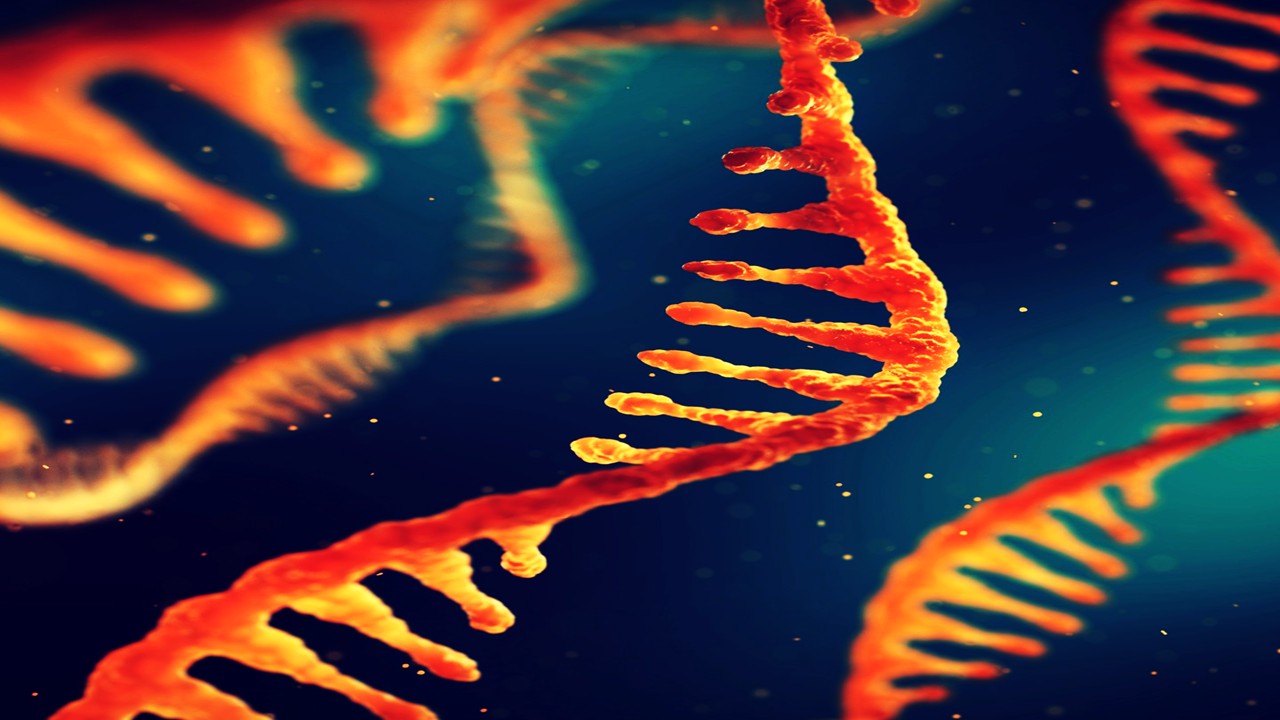
Open Nucleotides: Grant-Driven Infrastructure for Equitable mRNA Vaccine Manufacturing
By developing accessible cap analogs and RNA raw materials, Hongene Biotech, guided by David Butler’s expertise in nucleotide chemistry and supported by the Gates Foundation, is reshaping the molecular infrastructure that underpins global mRNA vaccine equity.
Drug Discovery Biology
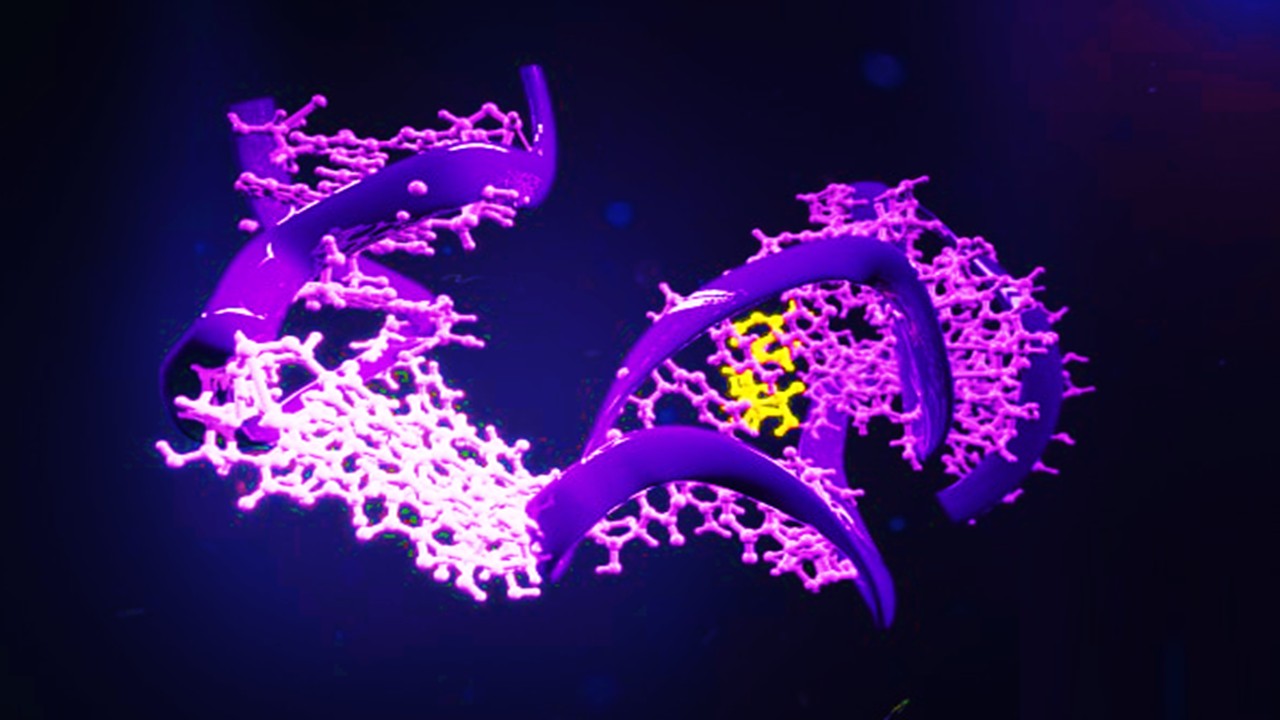
Aptamer Signal Dynamics: Engineering Nucleic Acid Recognition Systems for High-Fidelity, Multi-Modal Biosensing
Aptamers redefine biosensing by pairing programmable molecular recognition with versatile transduction strategies capable of detecting clinically relevant biomarkers with exceptional fidelity.

Drug Discovery Biology
Venom Meets Hub-Proteins: Computational Forecasting of Calloselasma rhodostoma-Derived Peptides Targeting Cancer Network Hubs
Computational screening of C. rhodostoma venom peptides against cancer hub proteins suggests a promising peptide-drug discovery avenue bridging toxin biology and network oncology.
Read More Articles


Medicinal Chemistry & Pharmacology
February 16, 2026
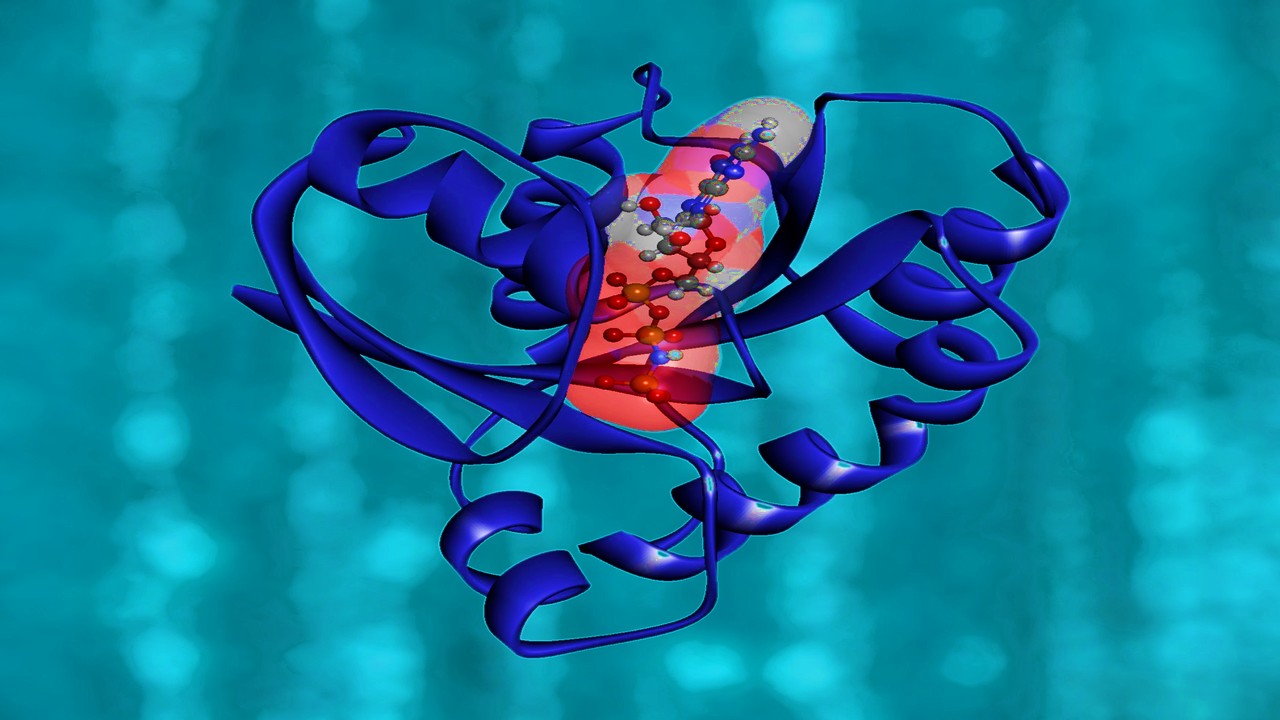
Spatial Collapse: Pharmacologic Degradation of PDEδ to Disrupt Oncogenic KRAS Membrane Localization
PDEδ degradation disrupts KRAS membrane localization to collapse oncogenic signaling through spatial pharmacology rather than direct enzymatic inhibition.

Medicinal Chemistry & Pharmacology
February 4, 2026
Neumedics’ Integrated Innovation Model: Dr. Mark Nelson on Translating Drug Discovery into API Synthesis
Dr. Mark Nelson of Neumedics outlines how integrating medicinal chemistry with scalable API synthesis from the earliest design stages defines the next evolution of pharmaceutical development.

Clinical Operations
February 3, 2026
Zentalis Pharmaceuticals’ Clinical Strategy Architecture: Dr. Stalder on Data Foresight and Oncology Execution
Dr. Joseph Stalder of Zentalis Pharmaceuticals examines how predictive data integration and disciplined program governance are redefining the future of late-stage oncology development.

Medicinal Chemistry & Pharmacology
February 2, 2026
Exelixis Clinical Bioanalysis Leadership, Translational DMPK Craft, and the Kirkovsky Playbook
Senior Director Dr. Leo Kirkovsky brings a rare cross-modality perspective—spanning physical organic chemistry, clinical assay leadership, and ADC bioanalysis—to show how ADME mastery becomes the decision engine that turns complex drug systems into scalable oncology development programs.

Regulatory Affairs
January 30, 2026
Policy Ignition: How Institutional Experiments Become Durable Global Evidence for Pharmaceutical Access
Global pharmaceutical access improves when IP, payment, and real-world evidence systems are engineered as interoperable feedback loops rather than isolated reforms.

Artificial Intelligence and Data Analytics
January 29, 2026
Sepsis Shadow: Machine-Learning Risk Mapping for Stroke Patients with Bloodstream Infection
Regularized models like LASSO can identify an interpretable risk signature for stroke patients with bloodstream infection, enabling targeted, physiology-aligned clinical management.