About the Interviewee
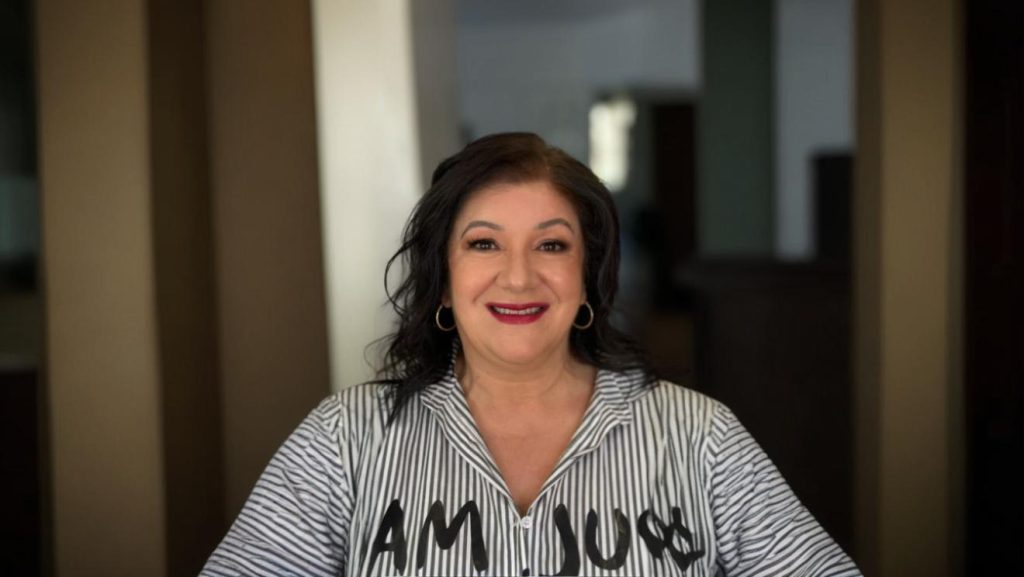
Tina Soulis is the Founder and Director of Alithia Life Sciences.
A/Prof Tina Soulis, Ph.D., is Founder and Director of Alithia Life Sciences, an Australian-owned full-service clinical research organization (CRO) supporting global biopharmaceutical, medtech, and research clients with operational excellence across early- and late-phase studies. With over 30 years of leadership in clinical trials, biotechnology, and academic research, she is also Strategic Advisor to Kinoxis Therapeutics and a Portfolio Australian Director for multiple international biotech entities.
Dr. Soulis earned her Ph.D. in Medicine from the University of Melbourne, where her research focused on the role of advanced glycation end products in diabetic complications. She also holds a B.Sc. in Biochemistry and Medicine, graduating in the top 10% of her cohort. Throughout her career, she has held executive roles including CEO of Neuroscience Trials Australia—where she grew the business by 39% annually—and Director of Clinical Development for an ASX200 biotech company, where she led programs from lab through global regulatory approval.
A clinical trial expert across therapeutic areas including neuroscience, oncology, endocrinology, rare and pediatric diseases, and medical devices, Dr. Soulis has built Alithia into a bespoke, high-integrity CRO known for zero staff turnover and seamless global execution. She is one of the few Australian leaders to have successfully taken multiple products from preclinical research to licensing and commercialization.
An advocate for the Australian R&D ecosystem, Dr. Soulis holds academic appointments at the University of Melbourne and serves as a mentor to emerging industry professionals. She is a sought-after global speaker on clinical strategy, innovation, and research-commercialization pathways—combining scientific rigor with entrepreneurial vision to deliver lasting impact in healthcare.
The Discussion
From Research to Leadership: The Journey Behind Alithia’s Founding
[Engr. Dex Marco]: It’s such a pleasure to have you here with us, Dr. Tina. With a career spanning academia, clinical operations, and biotech leadership, your path to founding Alithia Life Sciences reflects a wealth of industry experience and a deep understanding of where innovation meets unmet need. Can you share the defining moments and motivations that led you to establish Alithia, and how your background has shaped its mission and direction?
[A/Prof. Tina Soulis]: Thank you, Dex. My career has indeed spanned quite a journey. I don’t consider myself old—I prefer “veteran.”
I began in academia but soon realized how difficult it was to secure funding, especially in Australia. At the time, the grant success rate was about 22%, and today it’s dropped to a dismal 8%. That pushed me to move into industry. I spent time in big pharma, then transitioned to large contract research organizations (CROs). Eventually, I became Clinical Director of a top 200 ASX-listed biotechnology company during the global financial crisis.
It was an incredible experience. Over six to eight years, we advanced products from concept through lab work, all the way to FDA approval. We licensed those products out successfully, which was a formative chapter in my career. From there, I was invited to lead a neuroscience-focused CRO. Despite neuroscience being out of favor at the time-major players like Pfizer and AstraZeneca were pulling out—I believed in its long-term importance. People were still getting Alzheimer’s, strokes, and dealing with mental health issues. These problems weren’t going away, and I knew neuroscience would become a focus again. I stayed for 11 years and grew that company from five to 60 people in a very competitive global environment.
About five years ago, I recognized a gap in the Australian market. Many of our clients—biotech and device companies from the US and Europe—wanted to conduct research in Australia because of the advantages we offer: cost-effectiveness, the favorable exchange rate, and the 43.5% R&D tax incentive for companies with less than 20 million AUD in turnover. These companies would often establish an Australian subsidiary but needed a resident director.
The resident directors I encountered were often lawyers, financiers, or business professionals who had never run a clinical trial. To me, they weren’t adding real value. I knew I could contribute more—having run trials for decades. When the borders closed during COVID and clients couldn’t travel to Australia, I supported them remotely: identifying key opinion leaders, setting up Phase I sites, and troubleshooting projects, even when they had partnered with larger CROs.
About a year later, clients began asking, “If you’re already doing all of this, why can’t you run the whole project?” And so Alithia Life Sciences was born. We’re now a full-service, boutique Australian-based CRO. My background across academia, big pharma, CROs, and biotech—on both sides of the equation—allowed me to bring together a team and model that reflects all those lessons. That’s the journey.
Standing Apart: What Defines the Alithia Life Sciences Difference
[Dex]: In a rapidly evolving global life sciences ecosystem, where consultancies and CROs often blur into one another, Alithia has developed a distinctive identity rooted in your vision and values. What do you believe truly differentiates Alithia Life Sciences from other organizations in the space, both within Australia and internationally?
[Tina]: Thank you, Dex. First, I’d like to point out that the majority of our clients are not based in Australia. Most come from the U.S. and Europe. They’re drawn here because of the value proposition: the favorable exchange rate, the 43.5% R&D tax incentive for companies under 20 million AUD in turnover, and the ability to conduct trials whose data is accepted by regulatory agencies like the FDA and EMA—without needing to repeat the study elsewhere.
But what truly sets us apart isn’t just the regulatory or financial environment—it’s who we are.
We are an agile, transparent, and highly experienced team. Every person at Alithia is based in Australia. That matters because when clients conduct research here to benefit from the tax incentive, it’s essential that the work is genuinely done onshore. Our team members are located across Adelaide, Sydney, Melbourne, Brisbane, and we also operate in New Zealand. This allows us to cover all major regions and ensures high-touch, responsive service.
We’re entering our fifth year—and proudly, we’ve had zero staff turnover. That’s virtually unheard of in this industry. Most of us have worked together previously, and the average industry experience across the team is 15 to 20 years. We’re seasoned professionals who genuinely know what we’re doing.
At Alithia, the team assigned to your project at the beginning is the same team that sees it through to the end. We don’t pass projects from one team to another, which is common with larger CROs—where an offshore startup team hands off to an Australian manager who lacks context. We keep continuity, knowledge, trust, and rapport intact from day one.
Another differentiator is our flat fee structure. When we provide a proposal, it outlines each task clearly, over a defined timeline. Unless the number of patients or sites doubles, the costs don’t change. We don’t like change orders. At the end of each month, we provide a running budget—pulled directly from the proposal—so clients can track every charge, see what’s been billed, and what’s remaining. This level of transparency is surprisingly rare.
Therapeutically, we’re strongest in Phase I and II trials, typically involving 3 to 200 patients. We’re known for first-in-human studies—whether in healthy volunteers or targeted patient populations. About 25% of our work is in devices. We also specialize in neuroscience, oncology, women’s health, gastroenterology, and endocrinology—including diabetes and obesity. That said, our team’s deep experience means we’re equipped to handle almost any therapeutic area.
Ultimately, we bring consistency, clarity, and care—and we do it with a level of heart and rigor that our clients recognize immediately.
Clients at the Core: Mapping the Alithia Engagement Experience
[Dex]: As the Australian regulatory landscape becomes increasingly attractive for global biotech companies, many are curious about how they would be supported from first contact to final deliverables. What does a typical Alithia client journey look like, and what types of organizations or innovators do you typically work with?
[Tina]: We’re incredibly privileged to work with innovative, passionate, and intelligent people. Every one of our clients genuinely cares about what they do—and that resonates deeply with our own values. We aim to execute projects on time, on budget, and within scope, always acting as an extension of our clients’ teams.
A typical client is usually a biotech or medtech company that has completed their preclinical data package. Generally, if you have a package robust enough to enter a clinical trial in the U.S., Europe, or Asia, it will be sufficient for a trial in Australia. There are some local nuances, of course, but the core requirements are similar.
Often, clients come to us because they’ve heard about the advantages of running trials in Australia. During the initial briefing, we introduce who we are, how we operate, and how we add value. They, in turn, walk us through their project, timelines, and expectations—whether it’s a single ascending dose, multiple ascending dose, or what’s increasingly common now: a MAD-plus design, which includes patient cohorts in addition to healthy volunteers.
For oncology trials, we often see basket studies with multiple indications to assess early signals. We’re also seeing more of this in neuroscience. We’re known for our work in first-in-human neurology trials, rare diseases, pediatric studies, and device trials as well.
Once we’ve confirmed alignment and shared understanding, clients usually request a proposal. This isn’t a generic document. It’s a detailed proposal that outlines timelines, costs, deliverables, and every step required—from ethics submissions to monitoring and project management. It also includes the documents they’ll need to provide: protocol, informed consent forms, investigator brochures, local insurance, etc. And it highlights what they don’t need in Australia—for example, an IMPD or QP, which are required in Europe, or an open IND, which is needed in the U.S.
We then move into the bid defense phase, where our team presents how we plan to execute each aspect—from site recruitment to data management. Once awarded the project, we initiate contracting and host an internal kickoff meeting to align our team on assumptions and requirements.
After that, we schedule an external kickoff meeting with the sponsor, investigators, sites, data managers, and medical monitors. We establish a live risk log that we update and review regularly. We also set a meeting cadence—usually weekly during the startup phase—to ensure constant coordination. All stakeholders receive meeting minutes, even if they can’t attend.
During startup, we establish the data management structure, finalize or write the protocol, identify and activate sites, obtain ethics approvals, and prepare for first-patient-first-visit. This culminates in the study initiation phase, where all sites are trained.
Throughout the trial, we conduct monitoring—ensuring the data collected in case report forms aligns with medical records—and manage everything through to database lock. From there, our biostatisticians generate tables, listings, and figures, which feed into the final clinical study report.
We can manage all of the above—or specific parts—depending on the client’s needs. That’s the advantage of being boutique and bespoke: we flex to fit, but always with rigor, experience, and transparency.
A Global Gateway: Alithia’s Services and Ecosystem Integration
[Dex]: Given your global perspective and the firm’s strong reputation as a connector within the Australian ecosystem, Alithia is uniquely positioned to support both local and international players. Could you walk us through the key services you offer, especially for clients entering from abroad, and how you collaborate with local vendors, institutions, or government agencies to deliver seamless project execution?
[Tina]: Absolutely. Our services can cover everything—or specific components—depending on what the client needs. But at our core, we provide end-to-end clinical trial management with deep in-house expertise.
Our primary day-to-day services include project management, clinical operations, and monitoring. We write or review clinical trial protocols, handle ethics submissions, and manage startup activities. In parallel, we work with trusted partners to build electronic data capture (EDC) systems and case report forms, and we collaborate closely with biostatisticians from the beginning.
We also offer access to medical monitors—some based locally, some overseas—depending on the therapeutic area and project complexity. All vendors we engage are fully qualified by us, whether they’re handling data, lab services, drug depots, or patient recruitment.
For instance, if the client needs drug product warehousing and distribution, we work with local depots where investigational product (IP) can be imported, labeled according to Australian requirements, and shipped to clinical sites as needed.
We also collaborate with regulatory consultants, particularly for early-stage feasibility assessments. For example, we often conduct pre-submission reviews with ethics committees by sharing a client’s preclinical package and draft protocol. In just a few days, we can provide clear feedback: whether the study is approvable in Australia, or whether additional animal studies or other data will be required.
That early clarity saves significant time and expense.
We also maintain ongoing partnerships with a number of Australian laboratories—both central safety labs and specialty labs for pharmacokinetics or pharmacodynamics. We routinely work with three or four labs that meet global standards and have helped clients meet specific FDA or EMA expectations.
Why does all of this matter? Because for clients entering Australia—especially those establishing a local entity to benefit from the 43.5% R&D tax incentive—it’s critical that as much of the study as possible is conducted onshore. Our existing vendor network allows them to do exactly that. There’s no need to reinvent the wheel. We already have the infrastructure, the people, and the relationships in place.
Everything is integrated. We manage the vendors. We consolidate the invoices. Clients receive one monthly invoice with a breakdown of services—making the entire process efficient and seamless.
Navigating the Australian Advantage: Key Factors for Project Success
[Dex]: As more companies look to expand their research or development activities into Australia, your insights as a seasoned local partner are invaluable. What are some of the most important considerations companies should keep in mind when planning to bring their life sciences projects into the Australian market?
[Tina]: We’ve talked about the R&D tax incentive, which is one of Australia’s strongest drawcards. Companies with an annual turnover under 20 million AUD can receive 43.5% back on eligible R&D expenditures. That alone is compelling. But the key advice I give to all prospective clients is: talk to us early. Even if your trial is two years away, engaging us early helps prevent delays and avoidable costs.
For example, there are labeling requirements unique to Australia. If a company plans to manufacture its investigational product overseas, we can ensure the label meets Australian standards before production. One simple misalignment—like missing an expiry date, which is mandatory here but not in some jurisdictions—can cause expensive rework.
Another important consideration is diversity. Australia’s patient population is incredibly multicultural—about 30% of Australians were born overseas. This is increasingly valuable for sponsors planning to submit to the FDA, which now expects diversity in clinical trial populations. We’ve seen sponsors conduct beautiful studies in Asia, only to be rejected by the FDA because the data lacked ethnic diversity. In those cases, the FDA recommends a bridging pharmacokinetic study in more representative populations.
We frequently run such bridging studies in Australia. The FDA often specifies a required number of Caucasian, Asian, South American, and African patients. We’re able to fulfill those requirements efficiently due to our diverse population.
Australia also offers practical efficiencies. English is our official language, so there’s rarely a need for document translation, saving both time and money. Additionally, most studies in Australia do not require regulatory review by a central agency like the FDA or EMA. Instead, clinical trials are reviewed and approved by ethics committees, which are independent but recognized by the Australian regulator. Once ethics approval is granted, we simply submit a short online notification form to our regulatory body. That’s it. No IND. No EMA submission. It’s fast and efficient.
This framework allows sponsors—particularly those in early phases like first-in-human or Phase I oncology—to obtain critical clinical data quickly. That data can then be used to raise additional funds, refine regulatory strategy, or license the product. Often, clients return to their home countries better positioned for FDA or EMA engagement.
So, again, the take-home message is: talk to us early. We’ll help identify local requirements, assess gaps in data, and even provide ballpark costs and timelines that can support your fundraising or internal planning. And we do all of this at no cost during the feasibility phase. It’s part of how we support our clients from the very beginning.
Proven Impact: Showcasing Alithia’s Project Success Stories
[Dex]: Alithia’s success lies not just in its capabilities but in its proven track record of delivering results in complex, high-stakes environments. Can you share a few examples of projects you’ve led or supported that highlight the unique strengths of your team and the impact you’ve made?
[Tina]: Absolutely. Let me give you a couple of real examples that show the kind of impact we’ve had.
One of our clients is a U.S.-based biotech company that had already conducted studies in Australia—but not under an IND. When they submitted data to the FDA, the agency came back and requested an additional pharmacokinetic (PK) study. Because I was already acting as their Australian resident director, they approached us to run the study.
We quickly wrote the protocol, found a suitable Phase I unit, and executed the entire study in just five to six months. That kind of turnaround is rare—and it made a significant difference to their timeline and IND progress. Our familiarity with both the regulatory expectations and the local execution landscape was key.
Another example is a French biotechnology company developing a therapy and a diagnostic for ALS (motor neuron disease). They had never worked in Australia before, and their study was complex: it was a first-in-human trial that included a 200-patient ALS study, with many layers of assessments. They needed support setting up an Australian entity, which they did—and again, I serve as their resident director.
We connected them to the right clinical trial sites and helped them access grant opportunities. They’re now in the clinic, actively recruiting. Because we’ve worked with the necessary specialized sites and labs before, we were able to accelerate their entry into the ecosystem. We also supported them in navigating regulatory and operational pathways for their diagnostic component, which added another layer of complexity.
In both cases, what made the difference wasn’t just our services—it was our network and our ability to plug clients into it seamlessly. We already knew the right labs, the right ethics committees, the right investigators. That ecosystem knowledge is invaluable and allows us to move faster, with confidence.
And perhaps most importantly, we’re not just executing tasks—we’re co-building success with our clients. These projects show how we don’t just deliver—we integrate, we anticipate, and we partner.
The Road Ahead: Vision, Growth, and the Future of Alithia Life Sciences
[Dex]: As the founder of a company at the intersection of strategy, science, and innovation, your vision for the future carries weight not just for Alithia but for the broader ecosystem. Where do you see Alithia Life Sciences headed in the next few years, and what ambitions or transformations are you most excited to pursue as both leader and thought partner to your clients?
[Tina]: That’s a big question—and given the current state of the world, it’s hard to predict everything. For now, my message to our team is simple: survive and stay steady. Growth is happening organically, which is wonderful, but I don’t want us to grow just for the sake of it.
I want Alithia to grow strategically—in a way that preserves our culture of agility, collaboration, and transparency. We don’t need to become a giant CRO. We need to stay true to the values that made us different in the first place. That’s our strength.
One area we’re leaning into more is global collaboration. We’ve begun working with much larger like-minded organizations—some with 400 or even 700 staff—in the U.S. and Europe. When our clients finish their studies in Australia and want to move into their own jurisdictions, we can connect them with these partners. Together, we can transition to a global study where Alithia continues managing the global project oversight from Australia—while execution in other regions is handled by our partners. This structure allows clients to maintain their Australian subsidiary, which keeps them eligible for the R&D tax rebate on any work done here.
This blended model works well and maintains trust, continuity, and cost-effectiveness, especially in those critical post-Australia phases of development.
I’m also deeply passionate about mentoring. I mentor at least two people every week—students, young professionals, new industry entrants—because I believe we owe it to the next generation. We’ve all worked hard to get where we are, and it would be a disservice not to pass that knowledge forward.
So we’re looking at starting structured internship programs in the coming years. Whether it’s sponsoring scientific events, student initiatives, or community-led R&D, we want to foster a pipeline of talent that’s not only competent but values-driven.
As someone with an academic and scientific background, that teaching instinct is in me. I want Alithia to not just deliver clinical trials—we want to educate, empower, and elevate. This industry has given me a life of purpose, growth, and global perspective. Giving back is non-negotiable.
And we’ll keep doing all of it—with intention, with people we trust, and with heart.
Engr. Dex Marco Tiu Guibelondo, B.Sc. Pharm, R.Ph., B.Sc. CpE
Editor-in-Chief, PharmaFEATURES
Join Proventa International’s Clinical Operations and Clinical Trial Supply Chain Europe Strategy Meeting at Crowne Plaza London Docklands, London, United Kingdom on the 9th of October 2025 to learn more about Alithia Life Sciences.

Subscribe
to get our
LATEST NEWS
Related Posts

Interviews
Financing the Future of Health: Navigating Biotech Investment Risks and Rewards with David Crean, Cardiff Advisory LLC & 1004 Venture Partners
A deep dive into how strategic biotech investments balance scientific innovation with financial foresight in an era redefining the economics of health.

Interviews
The Economics of Innovation: Optimizing Clinical Trial Investments with Robert Gabriel, Ashur Capital
A thought-provoking discussion on aligning scientific rigor, venture strategy, and financial intelligence to maximize R&D efficiency and accelerate the path from discovery to market.
Interviews
Redefining Evidence Generation: Integrating eCOA Science into Biotech Development with Saima Khakwani, Clario
Saima Khakwani shares how biotechs can accelerate development and improve data quality through robust eCOA science, meaningful endpoints, and patient-centric digital measurement.
Interviews
Clinical Research 4.0: Bridging Global Standards with Local Realities and Expanding Patient Access with Rania Alshami, PDC CRO
Rania Alshami leads PDC-CRO in advancing clinical research across the Middle East and Africa by integrating global scientific standards with regional realities to accelerate patient access to innovative therapies.
Read More Articles


Medicinal Chemistry & Pharmacology
February 16, 2026
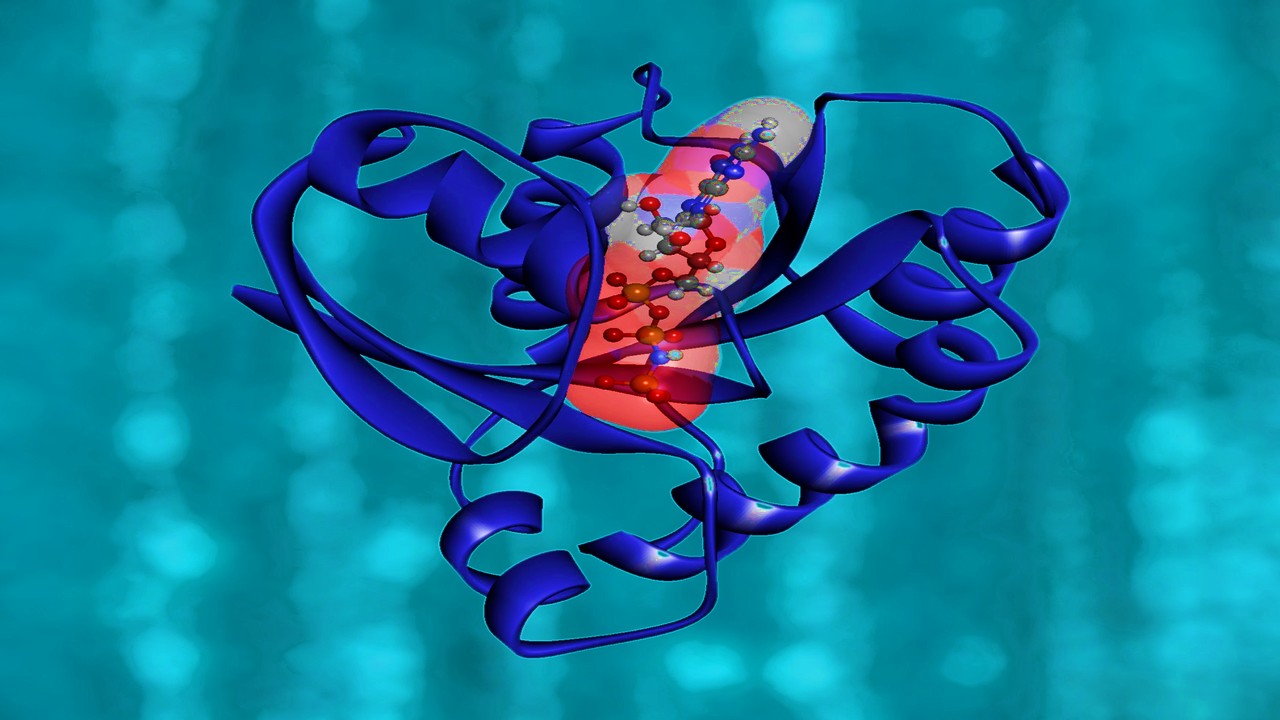
Spatial Collapse: Pharmacologic Degradation of PDEδ to Disrupt Oncogenic KRAS Membrane Localization
PDEδ degradation disrupts KRAS membrane localization to collapse oncogenic signaling through spatial pharmacology rather than direct enzymatic inhibition.

Medicinal Chemistry & Pharmacology
February 4, 2026
Neumedics’ Integrated Innovation Model: Dr. Mark Nelson on Translating Drug Discovery into API Synthesis
Dr. Mark Nelson of Neumedics outlines how integrating medicinal chemistry with scalable API synthesis from the earliest design stages defines the next evolution of pharmaceutical development.

Clinical Operations
February 3, 2026
Zentalis Pharmaceuticals’ Clinical Strategy Architecture: Dr. Stalder on Data Foresight and Oncology Execution
Dr. Joseph Stalder of Zentalis Pharmaceuticals examines how predictive data integration and disciplined program governance are redefining the future of late-stage oncology development.

Medicinal Chemistry & Pharmacology
February 2, 2026
Exelixis Clinical Bioanalysis Leadership, Translational DMPK Craft, and the Kirkovsky Playbook
Senior Director Dr. Leo Kirkovsky brings a rare cross-modality perspective—spanning physical organic chemistry, clinical assay leadership, and ADC bioanalysis—to show how ADME mastery becomes the decision engine that turns complex drug systems into scalable oncology development programs.

Regulatory Affairs
January 30, 2026
Policy Ignition: How Institutional Experiments Become Durable Global Evidence for Pharmaceutical Access
Global pharmaceutical access improves when IP, payment, and real-world evidence systems are engineered as interoperable feedback loops rather than isolated reforms.