CD38 as a Multifunctional Enzyme and Surface Receptor
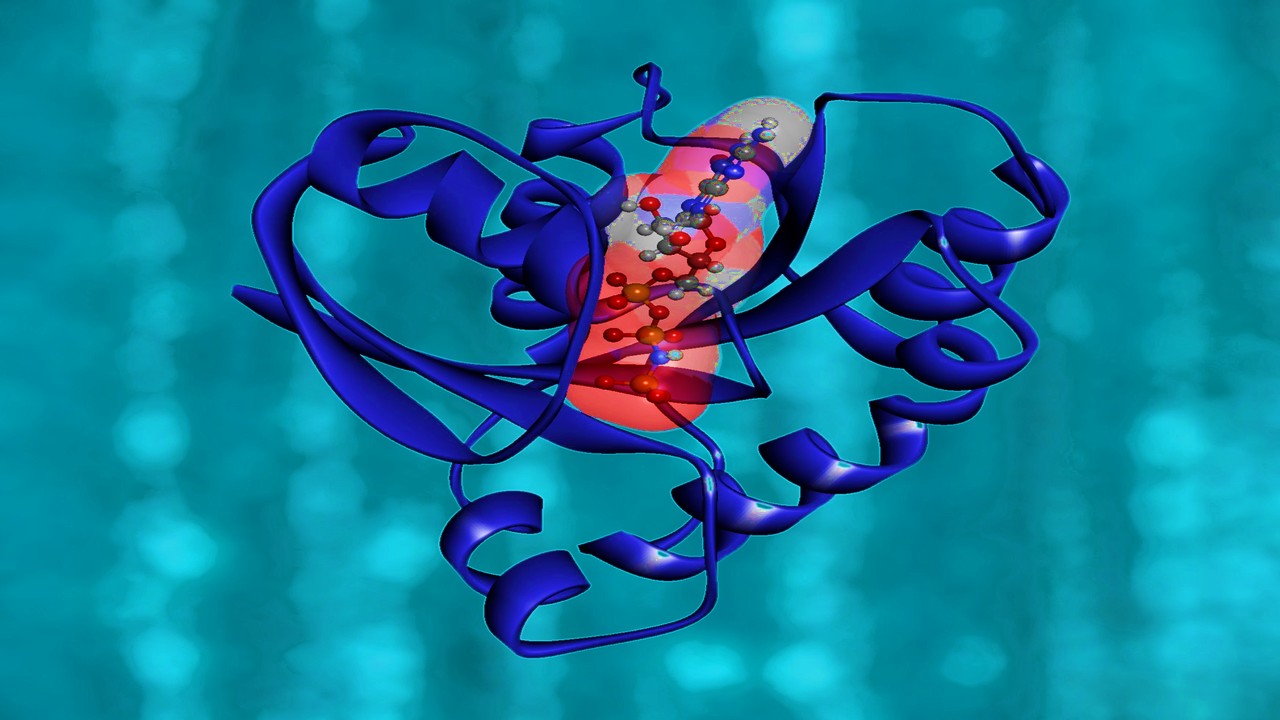
Cluster of differentiation 38 (CD38) is more than a surface glycoprotein; it is a molecular switchboard that integrates metabolism with immune signaling. Structurally, CD38 belongs to the ecto-enzyme family, and its catalytic versatility allows it to act as a NAD+ hydrolase, an ADP-ribosyl cyclase, and under acidic conditions, a nicotinic acid adenine dinucleotide phosphate synthase. Through these enzymatic activities, it produces messengers such as ADPR, cADPR, and NAADP, all of which influence intracellular calcium dynamics. These signals are deeply entrenched in processes ranging from angiogenesis to the orchestration of inflammatory cascades. By coupling energy metabolism with calcium signaling, CD38 bridges two fundamental aspects of cell survival and immune defense.
Equally important is CD38’s role as a receptor. Expressed on T cells, B cells, NK cells, and macrophages, its surface localization allows it to function as a conduit for cell–cell communication. The engagement of CD38 with binding partners influences immune cell proliferation, cytokine secretion, and survival. Within macrophages, CD38 expression is dynamically modulated by environmental cues such as bacterial lipopolysaccharides or cytokines derived from senescent cells. These signals dictate whether macrophages adopt a pro-inflammatory M1 identity or transition toward a reparative M2 phenotype. Thus, CD38 does not merely track immune activation but actively sculpts the trajectory of macrophage differentiation.
One of the most consequential outcomes of CD38 enzymology is its control of NAD+ availability. NAD+ is not only a metabolic cofactor but also a substrate for enzymes such as sirtuins and PARPs, which regulate DNA repair, mitochondrial biogenesis, and stress adaptation. By accelerating NAD+ hydrolysis, CD38 imposes a ceiling on the availability of this metabolite within tissues. In macrophages, where energy demands shift dramatically during polarization, CD38 activity effectively dictates the metabolic competence of the cell. The decline of tissue NAD+ with aging correlates strongly with elevated CD38 expression on resident macrophages, tying this molecule directly to the physiology of immunosenescence.
CD38’s multidimensional profile therefore situates it at the intersection of metabolism, calcium signaling, and immunoregulation. These combined functions grant macrophages the flexibility to respond to injury, infection, or chronic stress. But the very same mechanisms also expose vulnerabilities: excessive CD38 activity depletes NAD+, drives pathological inflammation, and contributes to tissue dysfunction in diseases ranging from cancer to neurodegeneration. It is this duality—protective under certain conditions, destructive under others—that has made CD38 an increasingly central figure in immunology and therapeutic design.
CD38 as a Marker of Inflammatory Macrophages
Historically, CD38 was viewed as a T-cell activation marker. Over time, it became clear that macrophages, too, upregulate CD38 under pro-inflammatory conditions. In vitro polarization assays reveal that M1 macrophages display a striking increase in CD38 transcription compared with unpolarized or M2 macrophages. This sharp divergence in expression permits CD38 to serve as a molecular discriminator between inflammatory and reparative macrophage states. Indeed, macrophage subsets can be distinguished based on CD38 and EGR2 expression, the former aligning with M1 programs and the latter with M2.
Pathological contexts reinforce this distinction. In systemic lupus erythematosus, monocytes and macrophages with elevated CD38 levels align with heightened inflammatory activity. Tuberculosis granulomas harbor CD11b+ macrophages co-expressing CD38 and CD86, marking them as inflammatory effectors within diseased lung tissue. Similarly, aged tissues that accumulate senescent cells display macrophage populations enriched for CD38 expression. These observations support the principle that CD38 functions as a dynamic reporter of inflammatory tone across a variety of conditions.
Molecular triggers for CD38 upregulation are diverse. Lipopolysaccharide binding to Toll-like receptors initiates transcriptional cascades involving NF-κB and JAK-STAT pathways, culminating in elevated CD38 expression. Interferon-γ acts synergistically with LPS, further intensifying the pro-inflammatory signature. This molecular choreography highlights how CD38 expression is not merely a byproduct of macrophage activation but a controlled and deliberate response to pathogenic stress. Once expressed, CD38 reinforces the M1 state through metabolic NAD+ depletion and adenosine production, thereby stabilizing the inflammatory phenotype.
The precision of CD38 as an M1 marker also positions it as a diagnostic tool. Tissue biopsies in chronic inflammatory diseases consistently reveal macrophages with heightened CD38, reflecting both disease activity and immune landscape. This diagnostic potential is now being investigated across conditions such as autoimmune disorders, fibrotic diseases, and even chronic viral infections. CD38, once thought peripheral to macrophage biology, is now recognized as a central index of their inflammatory posture, with implications for both clinical monitoring and therapeutic intervention.
CD38 in Proliferation, Polarization, and Cellular Recovery
Macrophages are uniquely adaptive cells, capable of expanding in number and altering their transcriptional state based on context. CD38’s influence on both proliferation and polarization has been illuminated by genetic knockout models. In the absence of CD38, macrophages display altered aggregation patterns and reduced efficiency in adopting polarized states. In vitro, blocking CD38 blunts LPS-driven M1 polarization, underscoring its necessity in the execution of inflammatory programs. This regulation hinges on CD38-mediated NAD+ depletion, which shifts energy metabolism and suppresses anti-inflammatory pathways.
Evidence from injury models strengthens the connection. After closed head injury, mice deficient in CD38 show impaired recovery, with diminished macrophage and microglial recruitment to lesion sites. This deficit correlates with reduced macrophage activation, suggesting that CD38 expression primes myeloid cells to respond vigorously to tissue injury. While inflammatory macrophages can exacerbate damage, they are also essential for debris clearance and repair. The failure of CD38-deficient mice to mount adequate responses highlights how tightly macrophage biology is coupled to CD38 availability.
At a molecular level, CD38’s control extends to transcriptional regulators such as NF-κB and STAT proteins. Activation of these pathways by LPS requires CD38, and their attenuation in CD38 knockouts demonstrates that enzymatic activity is not ancillary but integral to signal amplification. This interplay between surface receptor function and enzymatic activity creates a feedback loop: inflammatory signals induce CD38, which then remodels the macrophage metabolic state, reinforcing pro-inflammatory transcription. Without this loop, macrophages struggle to maintain polarization fidelity.
The proliferative capacity of macrophages under CD38 control also carries implications for aging. In aged tissues, pro-inflammatory cytokines secreted by senescent cells stimulate macrophages to proliferate while simultaneously upregulating CD38. This combination amplifies local inflammation and accelerates tissue dysfunction. Thus, CD38 not only determines how macrophages polarize but also dictates their proliferative response, creating a cumulative effect on tissue physiology across the lifespan. These findings expand CD38’s significance beyond short-term inflammatory events to encompass long-term immunometabolic remodeling.
Mechanistic Pathways of CD38 in Macrophage Function
One of the most direct consequences of CD38 activity in macrophages is the regulation of intracellular calcium. By generating cADPR and NAADP, CD38 orchestrates calcium release from intracellular stores, thereby activating cascades that govern migration, phagocytosis, and cytokine secretion. In ischemic brain injury models, CD38 deficiency leads to reduced chemokine production, attenuated immune cell infiltration, and smaller infarct volumes. These outcomes underscore that calcium mobilization through CD38 is not redundant but essential for macrophage activation in inflamed tissues.
Phagocytosis, a defining macrophage function, is also subject to CD38 regulation. Engagement of the liver X receptor induces CD38 transcription, lowering intracellular NAD+ and altering cytoskeletal organization. This modulation reduces susceptibility to Salmonella infection, demonstrating how CD38 shapes macrophage-pathogen interactions. Furthermore, CD38’s enzymatic degradation of extracellular NAD+ and its precursors deprives certain pathogens of critical growth factors. In this way, CD38 provides macrophages with a metabolic weapon, restricting microbial survival both within and outside the phagosome.
Beyond infection, CD38 mediates neuroimmune interactions. Following facial nerve transection, CD38 knockout mice exhibit delayed axonal degeneration but reduced macrophage infiltration, suggesting a trade-off between neuroprotection and immune responsiveness. In the brain, astrocytes and microglia upregulate CD38 in response to senescence-associated cytokines, leading to NAD+ depletion, oxidative stress, and neuronal injury. These findings highlight CD38’s involvement in both protective and pathological macrophage responses, depending on the tissue and context.
The link between CD38 and NAD+ metabolism unifies these mechanisms. In aging tissues, elevated CD38 expression on macrophages accelerates NAD+ decline, undermining mitochondrial function and sirtuin activity. This metabolic reprogramming exacerbates inflammation and drives age-related tissue degeneration. By shaping calcium signaling, pathogen resistance, neuroinflammation, and metabolic decline, CD38 situates itself as a master regulator of macrophage functionality. The enzyme is not a mere accessory; it is the molecular fulcrum upon which macrophage fate pivots.
CD38 as a Therapeutic Target in Disease Contexts
The clinical interest in CD38 first crystallized in oncology, where monoclonal antibodies such as daratumumab and isatuximab transformed multiple myeloma treatment. These agents not only target malignant plasma cells but also deplete CD38+ immunosuppressive macrophages, thereby restoring cytotoxic T-cell activity. The immunomodulatory potential of CD38 targeting extends beyond hematologic malignancies. In hepatocellular carcinoma, CD38+ macrophage density correlates with improved prognosis, suggesting a role for CD38 as both a biomarker and a therapeutic axis.
However, CD38’s contributions are not uniformly beneficial. In gliomas, tumor-associated macrophages exploit CD38-mediated calcium signaling and adenosine production to sustain angiogenesis and immunosuppression. Pharmacological inhibition of CD38 in preclinical glioma models reduces tumor expansion and prolongs survival, underscoring the enzyme’s role in shaping tumor microenvironments. Similarly, in melanoma, blocking CD38-dependent adenosine pathways enhances T-cell proliferation, reversing immune exhaustion and improving anti-tumor immunity.
The complexity deepens when CD38 intersects with checkpoint blockade therapies. Anti-PD-1 and anti-PD-L1 treatments elevate CD38 expression in tumor-infiltrating lymphocytes, initially enhancing immune attack but eventually driving resistance via adenosine-mediated suppression. Combination strategies that inhibit CD38 alongside checkpoint blockade are being explored to counteract this resistance. The interplay between CD38 and PD-1 pathways epitomizes how immune regulation depends on layered networks of metabolic and receptor-mediated signaling.
The therapeutic horizon for CD38 now spans autoimmunity, cancer, infection, and aging. Its dual role as both a molecular target and a biomarker offers a framework for personalized medicine. Modulating CD38 allows clinicians to recalibrate macrophage behavior, tipping the balance between inflammation and repair. As research progresses, the challenge will be to fine-tune interventions that harness CD38’s protective functions while curbing its pathological excesses. In this sense, CD38 embodies the paradox of immune regulation: indispensable for defense, yet dangerous when unchecked.
Study DOI: https://doi.org/10.3389/fonc.2022.775649
Engr. Dex Marco Tiu Guibelondo, B.Sc. Pharm, R.Ph., B.Sc. CpE
Editor-in-Chief, PharmaFEATURES

Subscribe
to get our
LATEST NEWS
Related Posts

Immunology & Oncology
Degradation Code: Rewriting Pathology by Reprogramming Intracellular Protein Fate
Targeted protein degradation transforms pharmacology from inhibition to elimination, redefining how we therapeutically control protein-driven disease.

Immunology & Oncology
Signal Switch: Stimuli-Responsive Nanoplatforms That Turn STING On Only Where Tumors Make Sense
Stimuli-responsive STING nanomedicine is an effort to make innate immune activation behave like a gated, tumor-local event rather than a body-wide inflammatory signal.

Immunology & Oncology
Marrow Whispers: How B-Cell Circuitry May Shape Acquired Aplastic Anemia and Why CD20 Depletion Is Being Reconsidered
Acquired aplastic anemia may sometimes be maintained by B-cell–supported immune networks, making CD20 depletion a biologically coherent but still nonstandard therapeutic hypothesis.

Read More Articles


Medicinal Chemistry & Pharmacology
February 16, 2026
Spatial Collapse: Pharmacologic Degradation of PDEδ to Disrupt Oncogenic KRAS Membrane Localization
PDEδ degradation disrupts KRAS membrane localization to collapse oncogenic signaling through spatial pharmacology rather than direct enzymatic inhibition.

Medicinal Chemistry & Pharmacology
February 4, 2026
Neumedics’ Integrated Innovation Model: Dr. Mark Nelson on Translating Drug Discovery into API Synthesis
Dr. Mark Nelson of Neumedics outlines how integrating medicinal chemistry with scalable API synthesis from the earliest design stages defines the next evolution of pharmaceutical development.

Clinical Operations
February 3, 2026
Zentalis Pharmaceuticals’ Clinical Strategy Architecture: Dr. Stalder on Data Foresight and Oncology Execution
Dr. Joseph Stalder of Zentalis Pharmaceuticals examines how predictive data integration and disciplined program governance are redefining the future of late-stage oncology development.

Medicinal Chemistry & Pharmacology
February 2, 2026
Exelixis Clinical Bioanalysis Leadership, Translational DMPK Craft, and the Kirkovsky Playbook
Senior Director Dr. Leo Kirkovsky brings a rare cross-modality perspective—spanning physical organic chemistry, clinical assay leadership, and ADC bioanalysis—to show how ADME mastery becomes the decision engine that turns complex drug systems into scalable oncology development programs.

Regulatory Affairs
January 30, 2026
Policy Ignition: How Institutional Experiments Become Durable Global Evidence for Pharmaceutical Access
Global pharmaceutical access improves when IP, payment, and real-world evidence systems are engineered as interoperable feedback loops rather than isolated reforms.

Artificial Intelligence and Data Analytics
January 29, 2026
Sepsis Shadow: Machine-Learning Risk Mapping for Stroke Patients with Bloodstream Infection
Regularized models like LASSO can identify an interpretable risk signature for stroke patients with bloodstream infection, enabling targeted, physiology-aligned clinical management.