AI in Pharmacokinetics: The Computational Revolution Reshaping Drug Development
Artificial intelligence is revolutionizing pharmacokinetics by integrating mechanistic theory with predictive modeling to transform every stage of drug development.
AI is not replacing scientists. It is rebuilding the laboratory itself—line by line, node by node, graph by graph.
The endgame for real-time monitoring of API shipments is not the device or the dashboard, but a harmonized digital infrastructure that renders temperature excursions obsolete through preemptive foresight.
The integration of digital modeling and personalized guides into the surgical workflow transforms the execution of tumor resection and reconstruction.
Medical AI requires not just vast datasets but datasets of impeccable quality.
The CA-Cys system could redefine the standard of care for halide-related diagnostics, bridging the gap between laboratory precision and point-of-care accessibility.
The integration of vision and intelligence is a hallmark of human cognition. Inspired by this interplay, MoSâ‚‚ transistors offer a platform for neuromorphic imaging.
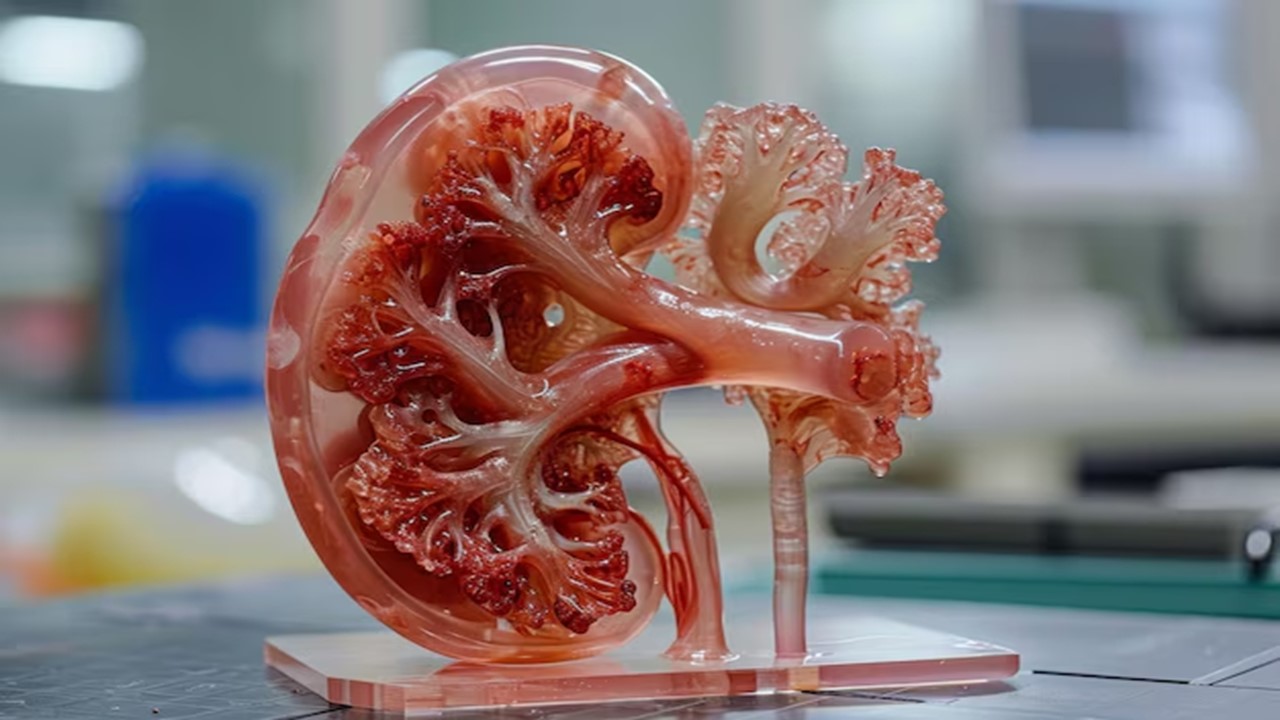
The field of renal regenerative medicine is rapidly evolving, with 3D bioprinting set to transform ESKD treatment and improve transplant outcomes.
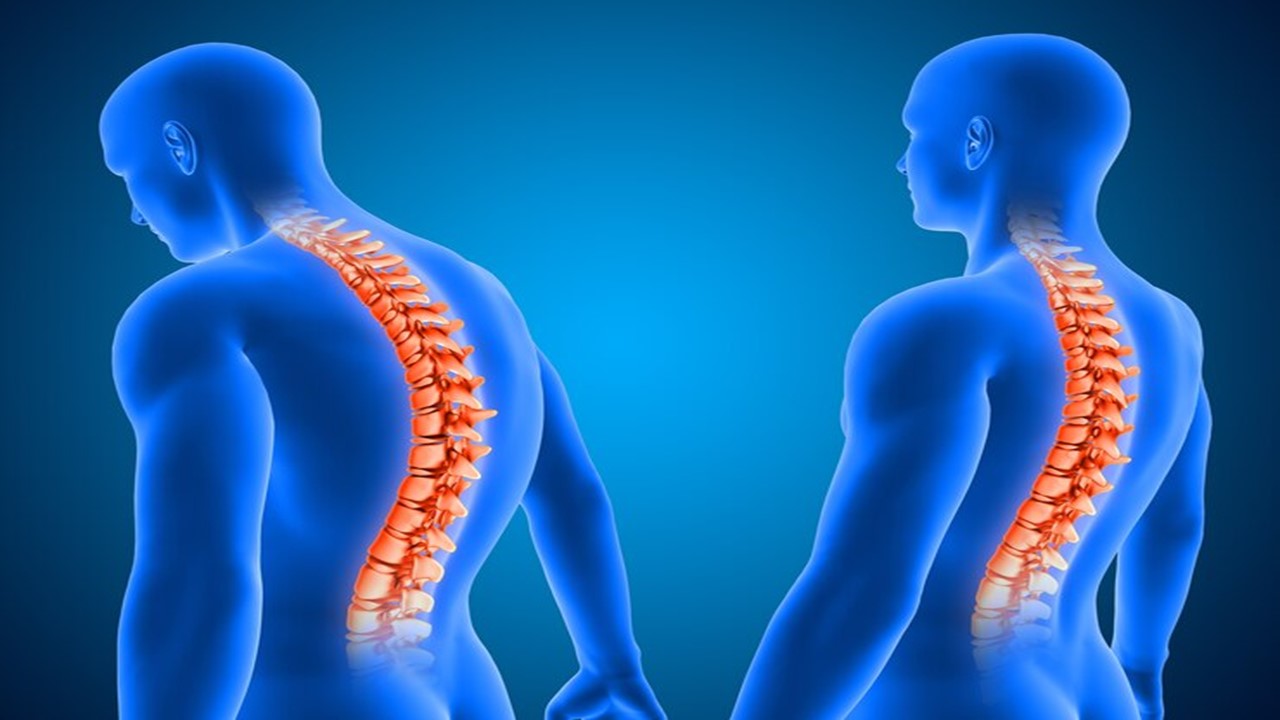
As AI continues to evolve, its role in spinal care will likely expand.
While big clinical data is characterized by its volume, variety, velocity, and veracity, several barriers limit its effective exchange.
In healthcare’s dynamic landscape, the pursuit of deeper insights and precision interventions is paramount, where unsupervised learning emerges as a potent tool for revealing hidden data structures.
ML stands as a cornerstone of technological advancement, permeating various facets of our daily lives.
From disease diagnosis to drug discovery and epidemic control, ML applications are revolutionizing every facet of healthcare delivery.
In tackling the myriad challenges of global healthcare, modern technologies offer hope.
Specialist Biometrics CRO Veramed solidifies its biopharma key player position with its CTDS acquisition.
Breaking Ground in Germany: Cytel Acquires co.faktor GmbH.
Consensus-based approaches are imperative to assess the quality, clinical utility, cybersecurity, user experience, and data governance of digital medicine products.
The integration of HIT has opened up a multitude of avenues for transforming healthcare
Drug repurposing is a strategic approach that seeks to unearth new therapeutic applications for existing drugs.
Unlike its static counterparts, supervised and unsupervised learning, reinforcement learning thrives in dynamic environments where it thrives on collecting data through trial and error.
This website uses cookies to improve your experience. We'll assume you're ok with this, but you can opt-out if you wish. Cookie settings