The Promising Role of AI in Drug Development
AI’s role in clinical trials is poised to reshape drug development by optimizing processes, enhancing efficiency, and improving the overall success rate of trials.
AI is revolutionizing clinical trials, enabling personalized and efficient healthcare, and propelling us into an era of data-driven medicine.
AI is poised to drive the next wave of innovation in decentralized clinical trials, addressing user interface shortcomings and streamlining data collection.
Harnessing AI’s power expedites the development of new treatments and ensures that these treatments are safer, more effective, and better tailored to individual patient needs.
From diagnostic support to drug discovery and patient care, AI is poised to revolutionize the entire healthcare ecosystem.
AI stands as a beacon of hope in the pharmaceutical industry, promising to reverse the ominous trajectory of Eroom’s Law.
In the realm of healthcare, data quality is more than a buzzword; it is the linchpin of trust, safety, and excellence.
In clinical trials, AI and automation offer transformative potential.
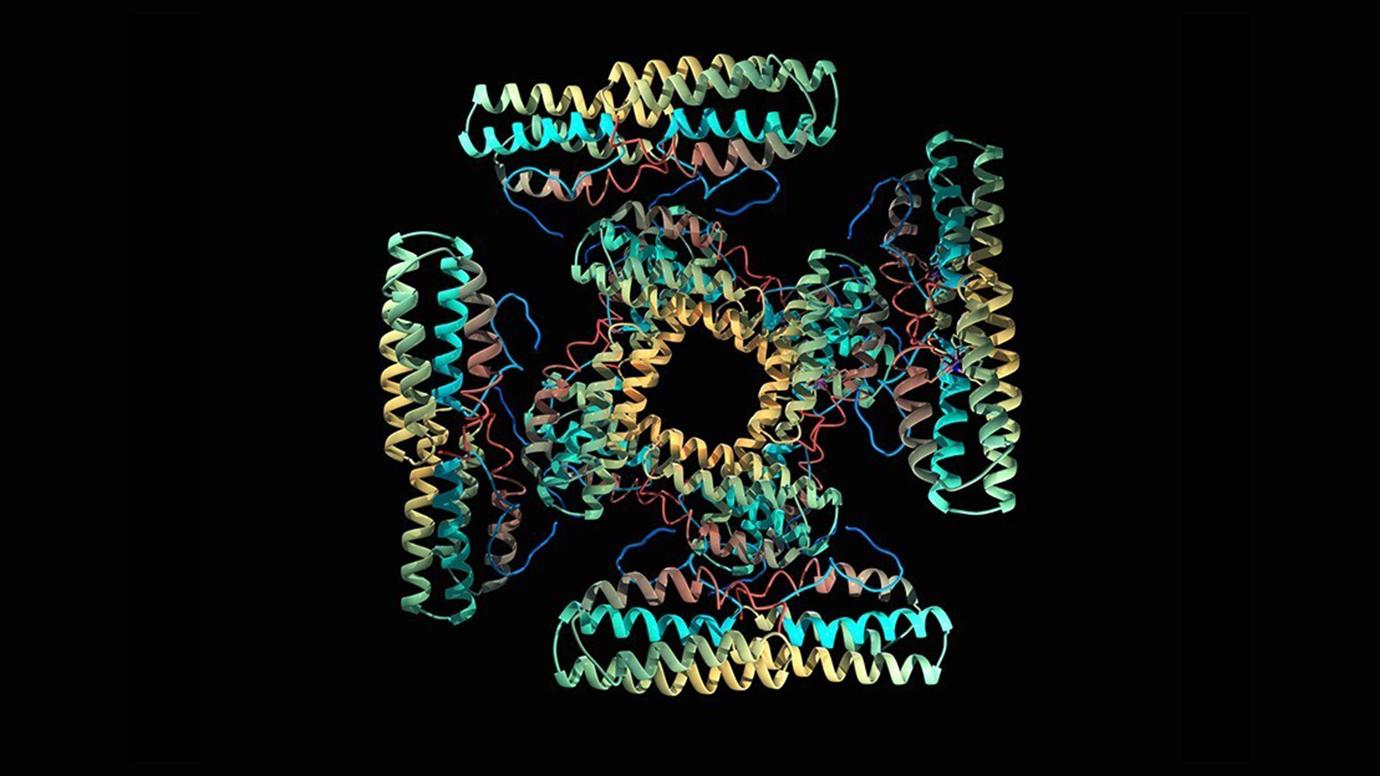
Reinforcement learning is used to address the challenge posed by the fact that naturally occurring protein subunits associate with each other in a way that cannot be replicated with current design approaches due to evolutionary selection.
New machine learning creates proteins with altered structures for low-carbon footprint materials with polymer-like mechanical properties.
The potential of edible electronics in transforming health and fitness sensors is explored through a seaweed-based second skin.
To find novel drug leads, a machine learning algorithm was used to examine the descriptions of several substances. Results were found promising for potential antiparkinsonians.
Vysioneer and Pfizer established a joint effort to advance oncology trials using artificial intelligence.
Nordic region expects improved clinical study and healthcare systems data management with PHASTAR’s latest acquisition.
Clinical trial use of AI is expected to increase, particularly in the area of medical coding.
In silico technologies have had huge impacts on pharma – we explore examples from three key areas, and outline future potential
This website uses cookies to improve your experience. We'll assume you're ok with this, but you can opt-out if you wish. Cookie settings