The Cellular Diet That Fuels Biologic Manufacturing
Biologic therapeutics—monoclonal antibodies, recombinant proteins, and cell-based therapies—require cells to function as micro-factories, continuously synthesizing complex macromolecules. These cells, often mammalian like CHO (Chinese Hamster Ovary) or HEK293 lines, are notoriously finicky about their environment, demanding a rich, finely-tuned growth medium to produce at scale. Media optimization is the process of reengineering this cellular “diet,” aiming to align the nutrient profile with the biosynthetic capacity and metabolic footprint of the host cell line. The challenge lies in balancing proliferation and productivity; a medium that encourages rapid cell growth may not support efficient protein folding, glycosylation, or secretion. Thus, media is no longer just a supplement—it has become a vector for engineering cell behavior, with subtle molecular ingredients altering fate decisions in ways reminiscent of developmental biology. The industry has started to regard media formulation as both a science and an art, merging systems biology with metabolic flux analysis to create tailored formulations. This new frontier positions media optimization not as a passive component, but as a dynamic control axis in biomanufacturing strategy.
Medium composition is a moving target, as cells evolve phenotypically over time in culture. Amino acid availability, redox balance, trace metal cofactors, and lipid species all exert influence on transcriptional and translational machinery. The transition from batch to fed-batch or perfusion culture systems adds further complexity, requiring temporal precision in nutrient delivery and waste removal. Inconsistent or outdated formulations can result in protein truncations, misfolding, or inclusion body formation, derailing months of upstream development. To prevent these failures, companies have turned to metabolomic profiling to understand intracellular resource bottlenecks. Advances in high-resolution mass spectrometry now allow snapshot analysis of intracellular metabolite pools, revealing nutrient deficiencies not apparent at the extracellular level. These tools enable rational customization, adapting the media in real time to the evolving physiological state of the cell.
Media optimization is inseparable from process scalability. What works in a 125 mL shake flask may not translate into a 2000 L stirred-tank bioreactor without nonlinear adjustments. Shear stress, oxygen transfer rates, and temperature gradients all interact with media components, sometimes producing unanticipated degradation products or altered metabolite uptake. Hence, engineers and biologists must collaborate across scales, transforming empirical tweaks into scale-agnostic design rules. Computational fluid dynamics (CFD) models are increasingly used alongside Design of Experiments (DoE) to simulate the spatial heterogeneity within large vessels. These models help predict where nutrient gradients might arise, prompting localized cell starvation or aggregation. Without this kind of modeling, even the most chemically perfect medium can fail under physical stress.
Interestingly, media optimization is becoming intertwined with cell line development. Modern workflows now co-develop media formulations and engineered cell lines, enabling synergistic tuning of both chassis and feed. CRISPR-based gene editing has made it possible to eliminate unnecessary biosynthetic pathways or enhance nutrient uptake systems. When paired with a custom-tailored medium, these edits yield cell lines that act less like biological generalists and more like chemical specialists. This convergence marks a shift from mere support to precise orchestration, where media acts as a regulatory language, not just a metabolic backbone. The future of biologics hinges on this tight coupling, promising not only higher yields but higher fidelity in molecular structure and function.
Chemically Defined, Biologically Precise
The evolution from undefined media (like fetal bovine serum) to chemically defined media was a watershed moment for biologics manufacturing. Serum introduced batch-to-batch variability, inconsistent growth, and the risk of viral contaminants—problems unacceptable for GMP-grade production. Chemically defined media (CDM), composed of known quantities of purified components, offered control and reproducibility. But this shift introduced a new paradox: greater transparency also revealed deeper complexity. In the absence of serum, cells lost their safety net, exhibiting vulnerabilities in amino acid synthesis, oxidative stress management, and membrane maintenance. CDM formulations therefore needed to act not just as food, but as surrogate microenvironments, emulating the multifactorial support once offered by serum.
Designing such media requires a careful balance of nutrients and regulatory molecules. Glucose and glutamine remain the primary carbon and nitrogen sources, but their concentrations must be finely tuned to avoid lactic acid and ammonia accumulation—two byproducts known to suppress cell growth and antibody quality. Trace elements like selenium and zinc, though needed in minute quantities, play outsized roles in enzymatic stability and protein folding. Lipids are increasingly recognized as critical not just for membrane synthesis but for post-translational modifications like glycosylation. Meanwhile, vitamins act as cofactors in dozens of biosynthetic reactions, their deficiency often undetected until growth kinetics collapse or product integrity falters. These ingredients don’t function in isolation; they form an intricate web of dependencies that must be simultaneously satisfied for optimal function.
Modern media formulation integrates transcriptomics and proteomics to inform which pathways are upregulated under specific culture conditions. For example, the overexpression of stress response genes might indicate that cells are compensating for oxidative damage or unfolded proteins, revealing a need for antioxidants or chaperones in the media. By monitoring secretome profiles, formulators can detect cellular leakage, suggesting compromised membranes or apoptosis that needs mitigation. These -omics approaches don’t just describe; they diagnose, allowing formulators to preemptively correct before productivity drops. In essence, chemically defined media are no longer inert substrates but interactive biochemical environments with programmable outcomes.
Still, the adoption of CDM poses cost challenges. High-purity reagents, stringent quality control, and tailored formulations drive up the price per liter, making it essential that yield improvements justify the investment. Many developers turn to platform media—versatile formulations that work across multiple cell lines with minor tweaks. These platforms save time but can compromise on absolute performance. Some innovators now offer modular media kits, allowing users to assemble CDM from base solutions and concentrated supplements tailored to specific stress responses or production goals. This hybrid approach captures the robustness of platforms while allowing precision tuning at critical phases of the bioprocess.
Ultimately, the role of chemically defined media is both foundational and transformative. It shifts cell culture from a reactive to a proactive discipline, where metabolic control is as deliberate as genetic design. By unlocking the programmable potential of the growth medium, the biopharma industry is constructing a future where the environment is as engineered as the product itself.
Customizing the Feed: Metabolomics and Machine Learning Join Forces
Biologic production has traditionally relied on fixed feeding schedules—nutrient boluses at set timepoints, regardless of cellular state. This approach, while convenient, overlooks the metabolic dynamism of cultured cells. Cells undergo profound metabolic shifts across growth, production, and stationary phases. Media that supports early proliferation may suppress late-stage productivity, especially when metabolite imbalances arise. To address this, biomanufacturers are now leveraging real-time metabolomic profiling to develop adaptive feeding strategies. This technique identifies intracellular and extracellular metabolite concentrations, allowing engineers to anticipate nutrient exhaustion or toxic accumulation long before phenotypic decline becomes visible.
High-throughput LC-MS and GC-MS platforms now facilitate snapshot analyses of dozens of metabolites per minute, feeding into algorithms that recommend feed compositions and timing. These metabolic fingerprints reveal patterns inaccessible to traditional titer-based monitoring. For instance, the buildup of methylglyoxal may precede a collapse in cell viability, prompting the addition of detoxifying agents or redirection of glycolytic flux. Similarly, fluctuations in NAD+/NADH ratios signal redox imbalance, guiding antioxidant supplementation. Over time, these patterns accumulate into robust datasets, enabling machine learning models to predict metabolic inflection points and recommend tailored interventions. Media optimization is no longer trial-and-error—it is data-driven orchestration.
Artificial intelligence platforms are being trained on this metabolic data to refine feed formulations across multiple dimensions—carbon, nitrogen, trace metals, and even osmolarity. These models can simulate how different nutrient combinations will impact cell growth, titer, glycan structure, or product aggregation. Some platforms even integrate transcriptomic cues, predicting how shifts in media affect gene regulatory networks and vice versa. This level of integration brings media design closer to systems biology, transforming each feed not just into a supplement but a biological signal. What was once a guesswork process is rapidly becoming a precision science.
Adaptive feeding strategies also align with green manufacturing goals. By minimizing overfeeding and nutrient wastage, they reduce downstream purification burdens and environmental footprint. Bioreactors using smart feeds exhibit improved consistency, reducing batch failure rates and increasing facility throughput. The combination of predictive analytics with modular feed systems allows for production campaigns that are not only higher in yield but also faster to scale and more resilient to variation in raw material quality. In an industry where time-to-market translates directly into patient impact, these optimizations carry weight well beyond economics.
The implications for global biologics access are significant. By optimizing media to reduce cost while enhancing yield, manufacturers can lower entry barriers in emerging markets. Precision feeding informed by metabolomics may one day become a default standard, making high-quality biologics less of a luxury and more of a guarantee.
Engineering for Expression: The Media-Gene Interface
The relationship between media and cellular gene expression is not passive. Media composition can epigenetically prime cells, triggering cascades of transcriptional changes that influence not only protein yield but post-translational characteristics. Growth factor mimetics, for example, can activate MAPK or PI3K/AKT pathways that upregulate ribosomal biogenesis, subtly increasing translational throughput. Meanwhile, methyl donors in the media—such as folate or methionine—affect DNA and histone methylation, reshaping the chromatin landscape. These alterations can persist across passages, underscoring how media is not simply nourishment but a language of instruction. In essence, the medium becomes a co-author of the cell’s functional output, not just a facilitator.
This insight has redefined how companies approach transient and stable gene expression systems. For transient transfection, media are now formulated to enhance plasmid uptake, nuclear transport, and subsequent expression, often by modulating calcium, magnesium, and polyamine content. For stable lines, media are tuned to suppress stress-induced promoters and enhance expression of target genes under selection markers. The interplay of media components with transcriptional enhancers, matrix proteins, and microRNAs further complicates the landscape, revealing feedback loops that link nutrition to expression fidelity. The better these are understood, the more predictably biologics can be manufactured with consistent quality attributes.
A compelling example involves glycosylation, a critical quality attribute for monoclonal antibodies. Media components such as manganese, galactose, and uridine influence the expression of glycosyltransferases, altering glycan branching and sialylation. Changes in pH or osmolality—also media-dependent—can affect Golgi trafficking and enzyme activity. Companies now routinely monitor glycan fingerprints during process development, adjusting feed strategies to align with regulatory expectations for biosimilarity or bioequivalence. This level of control is not possible without understanding how media shape intracellular signaling and trafficking networks.
The media-gene interface also opens avenues for process intensification. By controlling the temporal expression of certain genes via inducible promoters or nutrient-sensing riboswitches, cells can be coaxed into hyper-productivity modes only when needed. This reduces metabolic burden during the growth phase and focuses biosynthetic energy during the production phase. Some platforms even use dual-media systems—one for expansion and another for expression—manipulating cellular state through staged environmental cues. This deliberate choreography exemplifies how media can act as a controller in a complex biomanufacturing symphony.
As synthetic biology advances, media may become even more modular, equipped with synthetic inducers, small molecule triggers, or programmable sensors. Cells will read their environment like a circuit board, translating chemical cues into coordinated gene expression patterns. The frontier here is not merely optimization—it is full-scale programming of cellular machinery using liquid-phase logic.
Regulatory Realities and Quality Control Constraints
Despite the technical advances in media formulation, any change to a GMP process comes under intense regulatory scrutiny. Authorities demand that media modifications be justified not just with yield data but with rigorous quality assessments. Every component must be documented, traceable, and consistent across batches. This regulatory landscape places practical constraints on how freely developers can iterate media formulations. Even beneficial changes—such as improving titer or reducing aggregation—must demonstrate that they do not inadvertently alter glycosylation, bioactivity, or immunogenicity.
For legacy biologics, the challenge is even greater. Older formulations built on semi-defined or serum-containing media are difficult to modernize without triggering revalidation requirements. These processes can be costly and time-consuming, requiring comparability studies, new analytical methods, and often, fresh clinical bridging. As a result, many manufacturers opt to maintain outdated but approved media simply to avoid regulatory complexity. This tension between innovation and compliance continues to shape how media optimization is adopted in real-world settings.
To navigate this, developers rely on quality-by-design (QbD) frameworks, using DoE to define acceptable ranges for critical media attributes. Regulatory bodies now encourage such approaches, which offer transparency and traceability while maintaining control over product quality. The emphasis is on identifying critical process parameters (CPPs) and critical quality attributes (CQAs), with media composition sitting at the intersection. By quantifying the impact of each nutrient on product quality, developers can argue for changes using mechanistic rationales rather than empirical assertions.
Furthermore, real-time release testing (RTRT) is emerging as a regulatory enabler. Using sensors and predictive models, manufacturers can monitor cell health, nutrient levels, and product quality attributes in-line. These technologies provide assurance that even with dynamic feeds, the process remains within a validated design space. Coupled with advanced analytics and digital twins, RTRT allows a more fluid approach to media formulation without sacrificing regulatory confidence.
Ultimately, media optimization must walk a tightrope—pushing the boundaries of cellular productivity while respecting the conservative ethos of drug regulation. Success requires not just science, but diplomacy: convincing stakeholders that innovation can coexist with control.
The Future Menu: Towards Programmable Media and Autonomously Controlled Cultures
The trajectory of media development is bending toward automation, integration, and even autonomy. Programmable media—formulations embedded with responsive elements—could soon become the norm. These would include nutrient sensors that release cargo upon detecting specific thresholds, or time-release components that synchronize with cellular circadian rhythms. Advances in synthetic polymer matrices may allow microencapsulation of volatile media ingredients, protecting labile compounds until the precise moment of release. Media would no longer be homogenous, but stratified—layered with spatial and temporal logic.
Integration with cyber-physical systems will further elevate this potential. Bioreactors are becoming smarter, embedded with AI controllers that adjust feeds, pH, temperature, and oxygen in real time based on predictive models. These systems are trained on multi-dimensional datasets, including media composition, cell morphology, metabolic state, and protein yield. When fused with robotics and lab-on-chip diagnostics, this ecosystem forms an autonomous biomanufacturing platform that can adapt and self-correct. Media becomes a part of the feedback loop—not just input, but an instrument of control.
The concept of media personalization is also gaining traction. Just as precision medicine tailors therapy to patient biology, precision manufacturing could tailor media to individual production campaigns. Differences in batch size, cell line passage history, or desired glycosylation profiles would dictate unique media formulations. Cloud-based platforms would store libraries of optimized recipes, editable in silico and printable via automated liquid handling systems. Biologic production thus evolves from generic scaling to personalized manufacturing ecosystems.
Environmental sustainability remains a parallel driver. Media components derived from petroleum-based processes or animal sources are being phased out in favor of plant-based or recombinant alternatives. Waste valorization—transforming byproducts into reusable components—is gaining momentum. Even spent media is being analyzed for secondary metabolite extraction, circularizing what was once linear waste. Sustainability will not be a bonus feature; it will be a core design constraint for future media.
In this emerging paradigm, the phrase “media optimization” no longer suffices. We are engineering liquid environments with biological precision, chemical specificity, and cybernetic control. This is not formulation. This is orchestration. And within its flow, the future of therapeutic biology is quietly brewing.
Engr. Dex Marco Tiu Guibelondo, B.Sc. Pharm, R.Ph., B.Sc. CpE
Editor-in-Chief, PharmaFEATURES

Subscribe
to get our
LATEST NEWS
Related Posts
Biomanufacturing
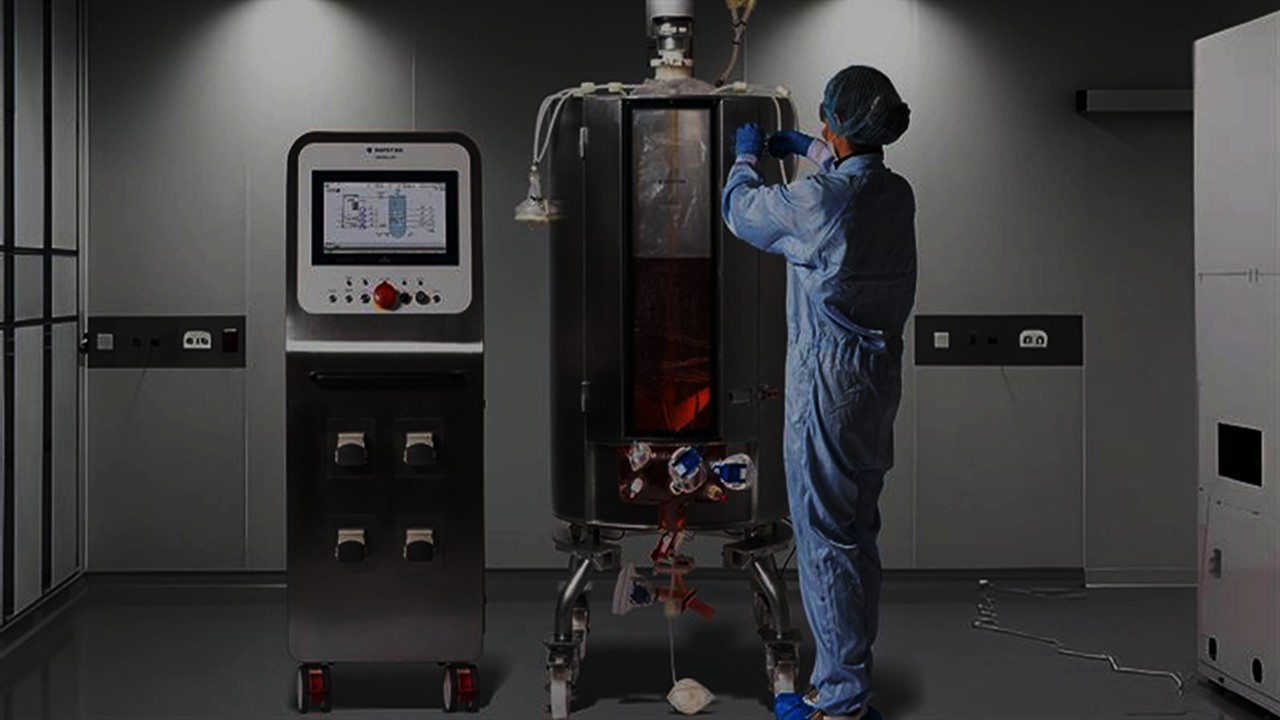
The Plastic Revolution: How Single-Use Bioreactors Redefine Agility in Pharmaceutical Manufacturing
In the age of pandemics, geopolitical disruption, and just-in-time inventory, pharmaceutical resilience now hinges on manufacturing fluidity.
Biomanufacturing
Bioreactor Battleground: Fed-Batch and Perfusion Strategies in Biologics Production
The fed-batch versus perfusion decision has evolved from a technical consideration to a strategic choice impacting facility design, regulatory strategy, and product quality.

Read More Articles





Medicinal Chemistry & Pharmacology
April 14, 2026
Igor Nasonkin and Phythera Therapeutics: Moving Oncology Beyond Single Targets into Engineered Polypharmacologic Systems
Igor Nasonkin’s systems-driven approach at Phythera Therapeutics reframes oncology drug development from single-target inhibition to AI-enabled polypharmacologic network modulation using nature-derived molecular architectures.


Artificial Intelligence and Data Analytics
April 10, 2026
Inside Johnson & Johnson’s External Innovation Engine: Devin Swanson on Translating Integrated Discovery into Strategic Value
Devin Swanson’s leadership at Johnson & Johnson Innovative Medicines redefines external innovation as a tightly governed, AI-enabled translational system integrating multi-modal drug discovery, biomarker strategy, and capital-efficient execution.
Immunology & Oncology
April 9, 2026
From DMPK to Distributed Execution: Mehran F. Moghaddam’s Systems Strategy at OROX BioSciences, Inc.
A systems-level examination of how Mehran F. Moghaddam operationalizes DMPK, externalized R&D, and lipid-mediated therapeutics into a predictive, high-velocity biotech development architecture.