The Molecular Barrier of Nucleosomes
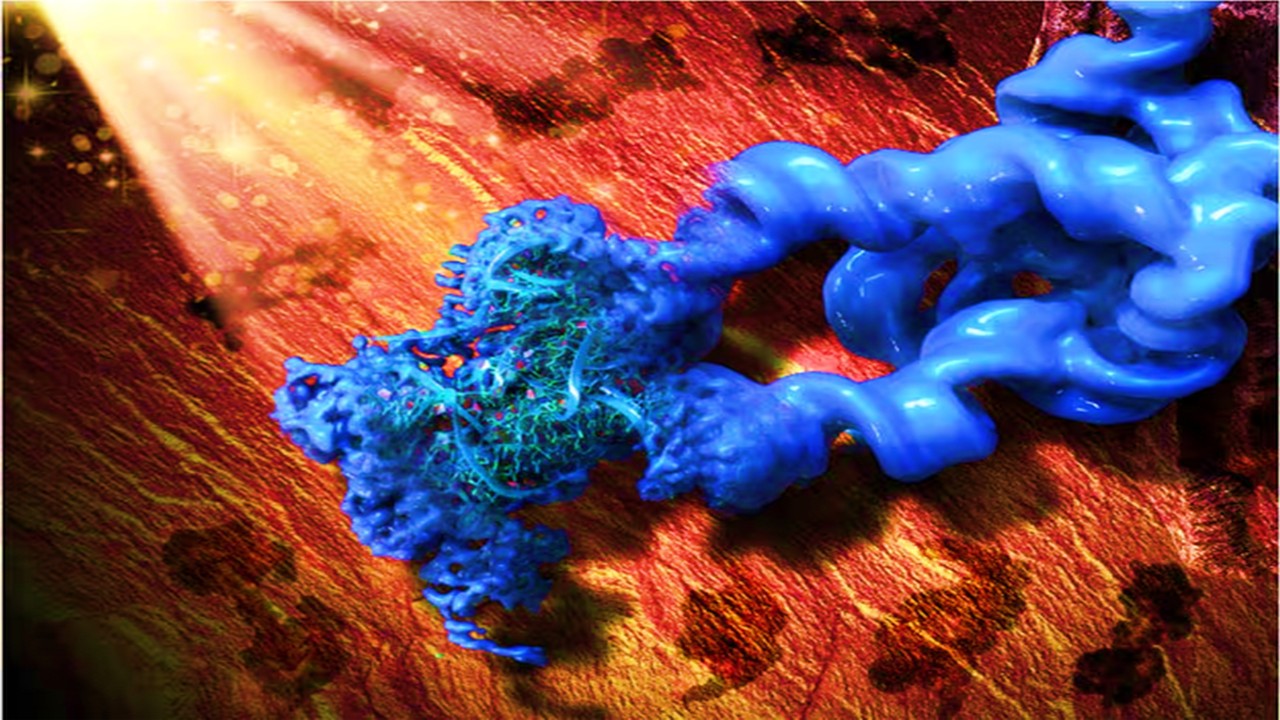
The organization of DNA into nucleosomes provides a compact framework that protects the genome but also constrains access to transcriptional machinery. This nucleosomal architecture introduces steric hindrance that prevents RNA polymerase and other transcription factors from freely engaging DNA sequences. To overcome this barrier, cells employ ATP-dependent remodeling complexes capable of repositioning or restructuring nucleosomes. Among these, the switch-sucrose non-fermentable (SWI-SNF) complex acts as a dynamic modulator of chromatin structure. Without such remodeling activities, many developmental and homeostatic gene programs would remain silent despite the presence of transcription factors.
Recruitment of SWI-SNF to specific genomic loci requires DNA-binding partners because the complex itself lacks inherent sequence recognition capacity. Classical transcription factors such as Myc and p53 are well-established recruiters, bringing SWI-SNF to loci that dictate cell growth, survival, or repair. The Cdx family, composed of Cdx1, Cdx2, and Cdx4, represents another class of transcription factors implicated in this recruitment process. Cdx proteins bind DNA through their conserved homeodomain and function during embryogenesis to coordinate axial elongation and endoderm specification. Beyond development, Cdx1 and Cdx2 remain essential regulators of the intestinal epithelium.
Cdx2 has emerged as the principal intestinal transcription factor with dual roles in maintaining homeostasis and functioning as a tumor suppressor. However, the mechanistic details of how Cdx2 exerts transcriptional control have remained elusive. The discovery that Cdx2 physically associates with Brg1, the ATPase catalytic subunit of SWI-SNF, provides a mechanistic bridge between sequence-specific DNA binding and chromatin remodeling. This link demonstrates how transcriptional outcomes can be shaped by multi-component molecular alliances rather than the activity of a single factor.
Establishing this interaction required robust biochemical and proteomic strategies. Quantitative mass spectrometry combined with stable isotope labeling provided direct evidence of Cdx2–Brg1 association in HEK293 cells. The enrichment of SWI-SNF subunits in Cdx2 immunoprecipitates pointed toward a stable complex formation rather than transient contact. These insights set the stage for deeper analysis of how Cdx2 recruits SWI-SNF to target loci.
Direct Physical Interaction with Brg1
A key element in linking Cdx2 with SWI-SNF activity is the Brg1 subunit, which hydrolyzes ATP to drive nucleosome repositioning. Brg1 contains several modular regions, one of which—Brg1-B2 spanning amino acids 325–611—has been shown to mediate contacts with diverse transcription factors. Immunoprecipitation assays confirmed robust binding between Brg1-B2 and endogenous Cdx2. The finding of this discrete interaction domain suggests that Cdx2 recognizes Brg1 through a structured docking interface.
The interaction is not restricted to Cdx2 alone. In vitro assays using GST-tagged fusion proteins revealed that Cdx1, Cdx2, and Cdx4 all associate with Brg1. This promiscuity aligns with the documented functional redundancy among Cdx members during embryonic patterning and intestinal development. Each family member can recruit Brg1, providing mechanistic explanation for their overlapping phenotypes in genetic knockout models. Such broad capability underscores that the Cdx–Brg1 interaction is an evolutionarily conserved strategy to enforce transcriptional regulation.
Microscopy-based co-localization analyses further validated these biochemical findings. Nuclear immunofluorescence demonstrated that Cdx2 and Brg1 occupy similar subnuclear foci in cultured epithelial cells, with strong correlation coefficients suggestive of coordinated action. In murine enterocytes, both proteins co-reside within intestinal nuclei, emphasizing that this association occurs in physiological contexts, not only in transformed cell lines. This convergence of biochemical and imaging evidence consolidates the model that Cdx proteins physically tether Brg1 to specific chromatin regions.
Importantly, the interaction is not a mere artifact of protein abundance but reflects a functional collaboration. Co-precipitation experiments performed in embryonic day 9.5 mouse embryos confirmed the persistence of Cdx–Brg1 complexes in vivo. The evidence points toward a shared regulatory module operating from early embryogenesis through adulthood, connecting homeobox transcription factors with ATP-dependent chromatin remodeling.
Co-occupancy at Target Gene Loci
If Cdx2 recruits Brg1, both proteins should occupy the same genomic targets. Chromatin immunoprecipitation sequencing datasets confirmed this hypothesis by showing overlapping occupancy of Cdx2 and Brg1 at multiple gene promoters. These included loci such as Dll1, Axin2, and Cyp26a1, all harboring predicted or validated Cdx response elements. Parallel ChIP assays in HEK293 cells further verified the enrichment of both proteins at these promoters, while negative control regions remained devoid of binding.
The co-occupancy implies a coordinated regulation of transcription at these loci. Genes like Dll1 play roles in Notch signaling, while Axin2 participates in Wnt pathway regulation, both central to developmental signaling. Recruitment of SWI-SNF by Cdx2 therefore extends its influence beyond mere transcription factor binding to broader pathway integration. The ability to remodel chromatin architecture ensures that these developmental genes remain accessible to other transcriptional regulators in a temporally precise manner.
Gene editing provided additional support for this functional relationship. Knockout of either Cdx2 or Brg1 resulted in diminished expression of overlapping subsets of target genes. For instance, Axin2 and Dll1 transcripts decreased in both knockouts, while certain loci like Lef1 showed dependency on Brg1 but not on Cdx2. Such differential requirements highlight the complexity of transcriptional control, where combinatorial inputs determine gene-specific outcomes. The essential point remains: many Cdx2-dependent genes require Brg1-mediated remodeling to achieve appropriate expression.
Rescue experiments clarified the mechanistic necessity of Brg1’s catalytic function. Wild-type Brg1 reintroduced into Brg1-null cells restored expression of Cdx2 target genes, whereas an ATPase-deficient mutant failed to do so. This indicates that it is not merely the presence of Brg1 but its enzymatic activity that underpins Cdx2-driven transcriptional programs. Such findings emphasize that transcription factor recruitment of SWI-SNF must culminate in chromatin remodeling activity for transcriptional activation to occur.
Remodeling Chromatin Architecture
To test whether Cdx2 and Brg1 indeed reshape chromatin landscapes, restriction enzyme accessibility assays were deployed. Loss of either Cdx2 or Brg1 reduced accessibility at the Dll1 locus, demonstrating that both are necessary to generate an open chromatin configuration. Reintroduction of wild-type proteins restored accessibility, but Brg1 mutants lacking ATPase activity failed to rescue, underscoring the essential enzymatic remodeling requirement.
Comparable patterns emerged in mouse models. In Cdx1–Cdx2 compound null intestines and Brg1 conditional null epithelium, accessibility at Dll1 was diminished, mirroring the cell line results. These findings prove that Cdx2-mediated recruitment of Brg1 remodels nucleosomes to create transcriptionally permissive chromatin both in vitro and in vivo. The consistency across systems suggests a conserved regulatory axis extending from cultured cells to whole organisms.
Chromatin remodeling is not a uniform process but occurs locally at defined regulatory regions. The presence of Cdx response elements in promoter or enhancer sequences anchors Brg1, which then mobilizes nucleosomes to expose transcriptional start sites or coactivator binding motifs. This local restructuring changes the energy landscape of DNA accessibility, enabling RNA polymerase to initiate transcription with greater efficiency. Thus, the interplay between Cdx2 and Brg1 transforms static nucleosomal barriers into dynamic, responsive chromatin environments.
Beyond accessibility, chromatin remodeling contributes to lineage specification. Intestinal epithelial differentiation requires precise transcriptional coordination, and disruption of Cdx2–Brg1 interactions perturbs this balance. Altered goblet cell morphology in mutant mice provides phenotypic evidence that chromatin remodeling downstream of Cdx2 is not a laboratory artifact but an essential determinant of tissue homeostasis. These insights position the Cdx–Brg1 axis as a key chromatin-based regulator of developmental biology.
Biological and Translational Implications
The discovery that Cdx2 regulates gene expression through SWI-SNF recruitment has implications extending from fundamental biology to translational medicine. At a conceptual level, it illustrates how transcription factors leverage chromatin remodelers to amplify regulatory reach. This partnership allows a single DNA-binding protein to enact widespread influence over cellular transcriptomes by mobilizing enzymatic machinery with global capacity to restructure chromatin.
From a developmental standpoint, the Cdx–Brg1 relationship explains how axial patterning and intestinal differentiation remain robust despite fluctuating cellular environments. Redundant binding of Brg1 by multiple Cdx family members ensures resilience in gene expression programs. Loss of one transcription factor can be compensated by another, but disruption of Brg1 eliminates the remodeling capacity, collapsing the system. This interdependency illustrates the hierarchical structure of transcriptional regulation, where sequence-specific factors and chromatin remodelers form indispensable pairs.
In pathological contexts, mutations or misregulation of either Cdx2 or Brg1 can distort transcriptional networks. Given the tumor suppressor role of Cdx2 in the intestine, impaired recruitment of Brg1 may contribute to oncogenic transformation by silencing differentiation genes. Conversely, aberrant SWI-SNF activity has been linked to numerous cancers, suggesting that the integrity of Cdx–Brg1 signaling is critical for preventing malignant phenotypes. Future therapeutic strategies may involve modulating this interaction or targeting its downstream chromatin effects.
The mechanistic understanding of Cdx2-mediated recruitment of SWI-SNF provides a template for broader exploration of transcription factor–chromatin remodeler partnerships. Many DNA-binding proteins may similarly function as adaptors that tether remodeling complexes to precise genomic locations. By elucidating these molecular alliances, researchers can decode how the genome integrates transcriptional cues with chromatin dynamics to control cellular identity and disease progression.
Study DOI: https://doi.org/10.1074/jbc.M116.752774
Engr. Dex Marco Tiu Guibelondo, B.Sc. Pharm, R.Ph., B.Sc. CpE
Editor-in-Chief, PharmaFEATURES

Subscribe
to get our
LATEST NEWS
Related Posts

Drug Discovery Biology
Governing Multi-Component Therapeutics: Andrea Small-Howard’s Systems Framework at GB Sciences, Inc.
A systems-driven analysis of Dr. Andrea Small-Howard’s leadership at GB Sciences, Inc., detailing how multi-component cannabinoid therapeutics, governance architecture, and AI-enabled discovery are converging to redefine translational drug development.

Drug Discovery Biology
Derisking Nucleic Acid Therapeutics: Sean Sullivan on CMC-Integrated Strategy at Arcturus Therapeutics
Sean Sullivan of Arcturus Therapeutics outlines how CMC-integrated strategy is derisking mRNA, oligonucleotide, and plasmid DNA therapeutics.

Read More Articles





Medicinal Chemistry & Pharmacology
April 14, 2026
Igor Nasonkin and Phythera Therapeutics: Moving Oncology Beyond Single Targets into Engineered Polypharmacologic Systems
Igor Nasonkin’s systems-driven approach at Phythera Therapeutics reframes oncology drug development from single-target inhibition to AI-enabled polypharmacologic network modulation using nature-derived molecular architectures.

Artificial Intelligence and Data Analytics
April 10, 2026
Inside Johnson & Johnson’s External Innovation Engine: Devin Swanson on Translating Integrated Discovery into Strategic Value
Devin Swanson’s leadership at Johnson & Johnson Innovative Medicines redefines external innovation as a tightly governed, AI-enabled translational system integrating multi-modal drug discovery, biomarker strategy, and capital-efficient execution.
Immunology & Oncology
April 9, 2026
From DMPK to Distributed Execution: Mehran F. Moghaddam’s Systems Strategy at OROX BioSciences, Inc.
A systems-level examination of how Mehran F. Moghaddam operationalizes DMPK, externalized R&D, and lipid-mediated therapeutics into a predictive, high-velocity biotech development architecture.
