The Cellular Context Problem in Drug Discovery
The trajectory of modern drug discovery has long been hindered by a paradox: compounds that exhibit perfect affinity in vitro often falter inside living systems. The discordance arises from the complex physicochemical barriers of the human cell—its plasma membrane, crowded cytoplasm, and labyrinthine binding networks that invalidate the simplicity of enzyme assays. Structural biologists can delineate every atom in a protein–ligand complex, yet those same interactions frequently collapse in the intracellular milieu where ionic gradients, macromolecular crowding, and compartmentalization redefine molecular behavior. The membrane’s selective permeability alone often determines whether a molecule achieves therapeutic relevance or remains a laboratory artifact. Traditional screening methods, limited to purified enzymes or cell lysates, cannot quantify how effectively a drug reaches and binds its target under true physiological conditions. This disconnect underscores the need for tools capable of direct molecular observation inside living cells without perturbing their native biochemistry.
To resolve this impasse, scientists have begun turning to nuclear magnetic resonance (NMR) spectroscopy, not merely as a structural technique but as a window into intracellular pharmacodynamics. Unlike fluorescence tagging or enzymatic assays, NMR spectroscopy directly detects nuclear spins of target atoms, capturing both binding events and conformational equilibria in real time. In living cells, these measurements enable the detection of intact proteins, their binding partners, and the kinetics of drug interactions—all while preserving endogenous conditions. By situating protein–ligand analysis within the actual cellular matrix, NMR transcends the reductionism of in vitro screens. It thus bridges the conceptual gap between atomic-level precision and whole-cell realism, marking an evolution from model-based drug design to empirically grounded molecular pharmacology.
The limitations of preclinical validation have always been quantitative but not qualitative—researchers could measure inhibition constants but not the physicochemical barriers that modulate efficacy. Drugs that appear potent in vitro may be sequestered, metabolized, or excluded in vivo, phenomena invisible to conventional screening. By embedding NMR directly within the cellular cytosol, researchers can interrogate these hidden variables and correlate them with true pharmacological potency. The approach redefines what it means for a molecule to “bind” by distinguishing mere affinity from biologically accessible binding. This mechanistic shift reframes potency as a function of both molecular recognition and cellular permeability, setting the stage for a new experimental paradigm.
A Direct Approach: Intracellular Protein-Observed NMR
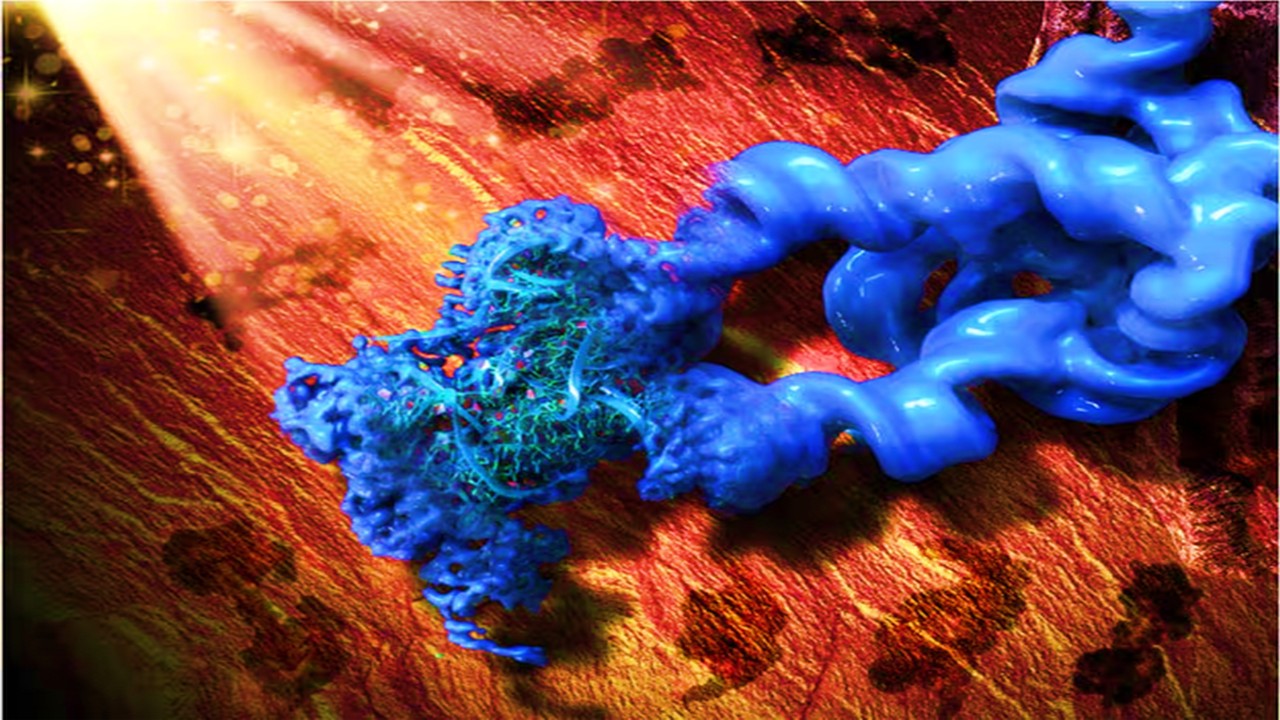
The concept of “intracellular protein-observed” NMR centers on the ability to monitor a labeled protein’s response to ligands inside a living cell. In this study, human carbonic anhydrase II (CA2) was expressed within human cells and isotopically labeled, producing sharp and resolvable resonances in both 1H-15N correlation and 1D proton spectra. These signals confirmed that CA2 remained soluble and functionally folded within the cytosol, an essential prerequisite for reliable intracellular spectroscopy. Researchers then introduced clinically relevant inhibitors—acetazolamide and methazolamide—directly into the culture medium and tracked their binding behavior through chemical shift perturbations. The resulting spectra revealed clear distinctions between bound and unbound states, demonstrating that ligand interactions could be detected and quantified inside living human cells without disrupting physiology. By measuring resonance changes across time and dose, the team derived binding curves reflective of intracellular potency rather than artificial assay kinetics.
The advantage of this methodology lies in its minimal assumptions and high molecular specificity. Each NMR resonance corresponds to a specific atomic environment in the protein, allowing identification of residues perturbed by ligand binding. This residue-level resolution distinguishes genuine target engagement from non-specific cytosolic interactions or off-target sequestration. Because no external fluorescent or enzymatic readouts are required, the measurement remains label-free and free from reporter bias. Simple one-dimensional spectra, focused on the imino region between 11 and 16 ppm, can distinguish the free and bound forms of CA2 through peak separation and deconvolution analysis. This enables researchers to extract binding fractions, diffusion rates, and equilibrium constants—all from within a living cellular environment.
Applied systematically, this approach can differentiate inhibitors that successfully traverse the membrane from those that fail to reach their targets. For instance, sulfonamide-derived inhibitors exhibiting similar in vitro affinities behaved divergently in cells, revealing a split between “successful” and “unsuccessful” binders. The discrepancy correlated not with binding strength but with permeability, underscoring how molecular transport defines efficacy. Even structurally similar ligands diverged dramatically in intracellular binding curves, highlighting the complex interplay between molecular polarity, hydrogen bonding, and the crowded cytoplasmic matrix. Thus, in-cell NMR converts drug screening from an indirect assay into a mechanistic experiment on permeability and specificity, qualities that directly determine pharmacological success.
Decoding Membrane Permeability and Intracellular Kinetics
By expanding the screening to multiple compounds, the study illuminated how drug transport and cellular chemistry jointly determine apparent potency. Some ligands, though tightly binding in purified systems, displayed negligible intracellular association—behavior best explained by limited membrane diffusion or competitive sequestration by other cytosolic constituents. Others exhibited gradual time-dependent binding curves, suggesting slow diffusion kinetics rather than thermodynamic weakness. When dose-response and time-response data were fitted with kinetic models, permeability coefficients could be extracted, quantitatively linking diffusion to efficacy. These analyses revealed that methazolamide diffused through membranes much faster than acetazolamide despite comparable affinities, explaining why its therapeutic dose requirement is lower in clinical use. The correspondence between NMR-derived permeability and pharmacokinetic profiles demonstrates the predictive validity of intracellular spectroscopy.
The concept of kinetic gating—the temporal delay between extracellular exposure and intracellular engagement—emerges as a decisive factor in drug performance. Molecules that diffuse slowly may appear inactive in short-term assays but accumulate effectively over extended timescales, a behavior now observable through in-cell NMR. The capacity to monitor these dynamic equilibria offers unprecedented insight into how chemical modifications influence transport energetics. Substituents altering lipophilicity or hydrogen-bond donor capacity can shift permeability by orders of magnitude without changing receptor affinity. Such multidimensional characterization transforms NMR from a static structural technique into a dynamic probe of pharmacokinetic processes occurring at atomic resolution. As a result, medicinal chemists can now optimize molecules simultaneously for target affinity and intracellular accessibility.
Beyond diffusion, intracellular competition shapes the apparent binding constants measured within living cells. In a physiologically crowded cytoplasm, ligands may interact transiently with abundant macromolecules, reducing the concentration available for the intended target. In-cell NMR detects these shifts as attenuated or broadened resonances, offering quantitative clues about non-specific binding. By adjusting protein expression levels and ligand doses, apparent dissociation constants can be refined to distinguish true specificity from background interference. This layered understanding of permeability and specificity introduces a molecular systems perspective to drug design, where each parameter reflects a real biophysical constraint of human physiology.
From Carbonic Anhydrase to Generalized Intracellular Targets
Although demonstrated on carbonic anhydrase II, the approach generalizes to other intracellular enzymes and even non-enzymatic proteins. Any macromolecule that yields NMR-detectable resonances—such as downfield-shifted histidine or methyl signals—can serve as a target for in-cell observation. Extending the method to carbonic anhydrase I confirmed that the histidine amide protons remain observable despite lower expression, reinforcing its applicability across isoforms. In principle, isotopic labeling strategies such as [13C]-methyl or [15N]-amino-acid selective labeling enable monitoring of nearly any soluble protein in the human cytosol. The essential requirement is the presence of at least one chemically unique signal sensitive to ligand interaction within a background-free spectral region. This universality distinguishes NMR from fluorescence- or luminescence-based assays that require bespoke constructs for each target.
Crucially, intracellular NMR facilitates drug discovery beyond the realm of enzymes, encompassing receptors, scaffolding proteins, and structural domains lacking catalytic readouts. Non-enzymatic interactions, which previously required indirect cell-based proxies such as viability or proliferation assays, can now be observed directly through changes in resonance frequency. This elevates the study of protein–ligand dynamics into a domain of pure physical chemistry—where each shift in chemical environment corresponds to an interpretable molecular event. When integrated with bioinformatics of target structures and computational docking, in-cell NMR data serve as a real-world validation layer for predictive modeling. By linking observed binding states with simulated conformational ensembles, researchers can iteratively refine drug design strategies rooted in empirical intracellular measurements.
The potential to scale this methodology is already emerging through automation and multiplexing. Temperature-controlled NMR sample changers and matrix-based screening pipelines can enable simultaneous analysis of multiple ligands under standardized intracellular conditions. With advances in signal processing and spectral deconvolution, throughput will rise without sacrificing molecular detail. The eventual vision is a fully integrated “cellular pharmacology spectrometer,” capable of evaluating hundreds of candidate compounds against a panel of human targets in situ. Such evolution would embed structural biology directly into drug screening, collapsing the traditional divide between discovery, validation, and optimization phases of pharmaceutical development.
Toward Early Potency Prediction and Rational Design
The ability to quantify intracellular binding events transforms the meaning of potency from a retrospective pharmacological measure to a prospective design parameter. Traditionally, potency was established only after extensive cell-based and animal testing, reflecting downstream physiological outcomes rather than molecular causality. In-cell NMR, however, redefines potency as the product of three measurable properties—binding affinity, membrane permeability, and intracellular selectivity—all derivable from atomic-level data. By capturing these parameters early, medicinal chemists can forecast effective dosing ranges and adjust chemical scaffolds before animal studies begin. This approach not only accelerates development timelines but also minimizes costly attrition in late-stage trials. It represents the maturation of NMR from a descriptive to a predictive instrument in translational science.
Conceptually, the shift parallels a movement from observational pharmacology toward mechanistic biophysics. Drugs are no longer screened solely for activity but for their integrated performance within the cellular system. NMR-derived binding curves, when combined with computational pharmacokinetics, permit iterative feedback between synthesis and evaluation. Each molecular modification can be empirically mapped to its intracellular consequences, producing a closed design loop between chemistry and biology. As synthetic diversity expands, such mechanistic precision will guide structure optimization with unprecedented granularity. The laboratory thus becomes both a testbed and a model of the living cell itself.
The broader implication of this framework is ethical as well as scientific. By quantifying potency directly in human cellular systems, the reliance on animal testing for preliminary pharmacodynamics can be markedly reduced. More importantly, the approach aligns with the FDA’s modernization initiatives to prioritize human-relevant methodologies in preclinical assessment. As pharmaceutical research embraces these technologies, the definition of rational drug design evolves—from predicting what should work in theory to verifying what does work in the living human cell. This convergence of spectroscopy, computation, and cellular biology repositions NMR as not just an analytic method but as a central instrument of modern biomedical innovation.
Study DOI: https://doi.org/10.1002/anie.201913436
Engr. Dex Marco Tiu Guibelondo, B.Sc. Pharm, R.Ph., B.Sc. CpE
Editor-in-Chief, PharmaFEATURES

Subscribe
to get our
LATEST NEWS
Related Posts

Drug Discovery Biology
Governing Multi-Component Therapeutics: Andrea Small-Howard’s Systems Framework at GB Sciences, Inc.
A systems-driven analysis of Dr. Andrea Small-Howard’s leadership at GB Sciences, Inc., detailing how multi-component cannabinoid therapeutics, governance architecture, and AI-enabled discovery are converging to redefine translational drug development.

Drug Discovery Biology
Derisking Nucleic Acid Therapeutics: Sean Sullivan on CMC-Integrated Strategy at Arcturus Therapeutics
Sean Sullivan of Arcturus Therapeutics outlines how CMC-integrated strategy is derisking mRNA, oligonucleotide, and plasmid DNA therapeutics.

Read More Articles





Medicinal Chemistry & Pharmacology
April 14, 2026
Igor Nasonkin and Phythera Therapeutics: Moving Oncology Beyond Single Targets into Engineered Polypharmacologic Systems
Igor Nasonkin’s systems-driven approach at Phythera Therapeutics reframes oncology drug development from single-target inhibition to AI-enabled polypharmacologic network modulation using nature-derived molecular architectures.

Artificial Intelligence and Data Analytics
April 10, 2026
Inside Johnson & Johnson’s External Innovation Engine: Devin Swanson on Translating Integrated Discovery into Strategic Value
Devin Swanson’s leadership at Johnson & Johnson Innovative Medicines redefines external innovation as a tightly governed, AI-enabled translational system integrating multi-modal drug discovery, biomarker strategy, and capital-efficient execution.
Immunology & Oncology
April 9, 2026
From DMPK to Distributed Execution: Mehran F. Moghaddam’s Systems Strategy at OROX BioSciences, Inc.
A systems-level examination of how Mehran F. Moghaddam operationalizes DMPK, externalized R&D, and lipid-mediated therapeutics into a predictive, high-velocity biotech development architecture.
