From Occupancy to Event-Driven Protein Elimination
For decades, pharmacology has been dominated by the principle of occupancy, where therapeutic molecules bind to proteins and transiently modulate their activity without fundamentally altering their existence. The emergence of proteolysis-targeting chimeras redefined this paradigm by introducing event-driven pharmacology, where a single molecular encounter can trigger irreversible degradation of a protein of interest. This shift reframes drug action not as inhibition, but as a catalytic intervention in protein homeostasis, enabling the elimination of disease-driving proteins rather than their temporary suppression. The implications are especially profound for targets that evade classical small-molecule binding, including scaffold proteins and mutation-prone oncogenic drivers. In this framework, pharmacodynamics becomes less about maintaining constant exposure and more about initiating a sequence of intracellular events. The therapeutic logic thus migrates from equilibrium binding to dynamic systems control.
However, the initial success of PROTACs was largely confined to intracellular soluble proteins, leaving a substantial portion of the proteome—membrane-bound and extracellular proteins—beyond reach. These proteins play central roles in signal transduction, immune evasion, and cell–cell communication, making them critical determinants of disease progression. Their structural complexity and spatial localization impose constraints that limit the applicability of traditional degradation strategies. Consequently, the field began to explore alternative mechanisms capable of co-opting cellular trafficking pathways, particularly those associated with lysosomal degradation. These efforts gave rise to a constellation of approaches that attempt to bridge extracellular recognition with intracellular degradation machinery. Yet, each strategy revealed its own limitations in efficiency, specificity, or pharmacokinetics.
The conceptual breakthrough emerged from recognizing that membrane trafficking itself could be engineered as a programmable degradation pathway. Rather than forcing intracellular degradation machinery to act on inaccessible targets, researchers began to redirect natural endocytic and lysosomal systems toward proteins residing on the cell surface. This required the integration of ligand–receptor biology, antibody engineering, and intracellular proteolysis mechanisms into a single functional construct. The resulting systems do not merely bind targets; they choreograph their internalization, trafficking, and eventual destruction. In doing so, they transform the cell’s own infrastructure into an extension of the drug’s mechanism of action. The boundary between extracellular targeting and intracellular degradation becomes increasingly porous.
Against this evolving backdrop, a new class of degraders began to take shape, leveraging endogenous transport systems as conduits for selective protein elimination. Among these, strategies exploiting transferrin receptor-mediated endocytosis introduced a particularly compelling avenue for intervention. By tapping into pathways already optimized for cellular uptake and recycling, these systems promise both efficiency and biological compatibility. This trajectory sets the stage for a more refined integration of antibody specificity with degradation functionality, where targeting precision and intracellular fate are co-designed rather than sequentially imposed. It is within this convergence that TransTACs emerge as a defining innovation.
Engineering TransTACs: Harnessing Transferrin Receptor Biology
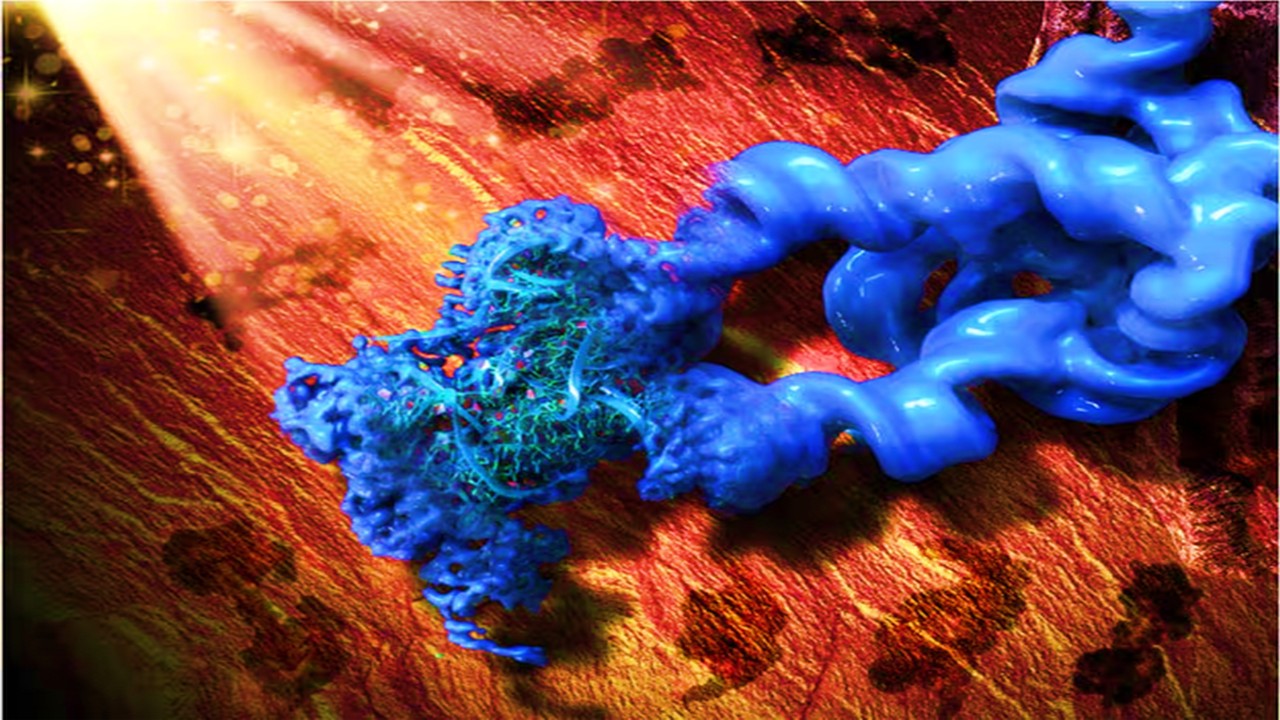
Transferrin receptor 1 occupies a unique position at the intersection of cellular metabolism and membrane trafficking, serving as a primary gateway for iron uptake through ligand-mediated endocytosis. Its intrinsic cycling between the plasma membrane and endosomal compartments makes it an attractive vehicle for delivering bound cargo into degradative pathways. TransTAC technology capitalizes on this biological circuit by constructing bispecific antibodies that simultaneously engage a target membrane protein and the transferrin receptor. This dual binding initiates co-internalization, effectively hijacking a physiological transport process to deliver the protein of interest into lysosomal compartments. The elegance of this system lies in its ability to repurpose an essential cellular pathway without disrupting its baseline function. Instead of competing with endogenous processes, it integrates seamlessly into them.
The structural design of TransTACs reflects a deep understanding of receptor biology and antibody engineering principles. The use of a 2+2 bispecific antibody format enables simultaneous bivalent engagement of both the transferrin receptor and the target protein, amplifying internalization efficiency. This multivalent interaction aligns with the homodimeric nature of the transferrin receptor, enhancing avidity and stabilizing the ternary complex required for effective endocytosis. Early iterations demonstrated that monovalent constructs were insufficient to sustain robust internalization, underscoring the importance of structural symmetry in driving functional outcomes. The architecture is therefore not merely a scaffold but an active determinant of biological behavior. In this context, antibody engineering becomes inseparable from mechanistic design.
A critical challenge emerged from the natural recycling behavior of the transferrin receptor, which can redirect internalized complexes back to the cell surface rather than toward lysosomal degradation. This recycling pathway introduces a kinetic bottleneck, allowing the protein of interest to escape degradation despite successful internalization. To overcome this, TransTAC design incorporates cathepsin-sensitive linkers that undergo cleavage within lysosomal environments. These linkers effectively decouple the target protein from recycling pathways, ensuring its retention within degradative compartments. By introducing controlled instability into the molecular construct, the system biases intracellular trafficking toward destruction rather than reuse. This strategy transforms a limitation of receptor biology into an opportunity for precise control.
Further refinement involved replacing natural ligands with engineered antibody fragments to modulate receptor engagement and trafficking dynamics. The substitution of transferrin with synthetic single-chain variable fragments alters the interaction landscape, reducing competition with endogenous ligands and enhancing specificity. This modification not only improves degradation efficiency but also allows fine-tuning of pharmacological properties such as binding affinity and internalization kinetics. The resulting constructs exhibit a level of programmability that extends beyond simple targeting, enabling the rational design of degradation pathways at the molecular level. As these elements converge, TransTACs begin to function less like traditional biologics and more like engineered systems operating within cellular environments.
Functional Consequences: Degrading Oncogenic Membrane Proteins
The application of TransTAC technology to clinically relevant targets reveals its capacity to address some of the most persistent challenges in oncology. Membrane proteins such as epidermal growth factor receptor, programmed death-ligand 1, and CD20 are central to tumor growth, immune evasion, and therapeutic resistance. Traditional strategies targeting these proteins often rely on inhibition or blockade, which can be circumvented by mutations or compensatory signaling pathways. By contrast, TransTAC-mediated degradation removes the protein entirely, eliminating its functional contribution regardless of mutational status. This approach shifts the therapeutic objective from modulation to eradication at the molecular level. The consequences extend beyond signaling inhibition to structural disruption of oncogenic networks.
In models of tyrosine kinase inhibitor-resistant cancers, degradation of epidermal growth factor receptor demonstrates a distinct advantage over conventional therapies. Resistance mutations that diminish drug binding affinity become irrelevant when the target protein is physically removed from the system. The degradation process also avoids the accumulation of partially inhibited signaling complexes that can sustain residual activity. Instead, the cellular signaling landscape is reconfigured through the absence of key nodes, forcing tumor cells into states incompatible with survival. This mechanism introduces a new dimension of robustness into therapeutic design, where efficacy is less vulnerable to evolutionary adaptation. The strategy therefore aligns with the dynamic nature of cancer biology.
The immunological implications are equally significant, particularly in the context of immune checkpoint regulation. Degradation of programmed death-ligand 1 alters the interface between tumor cells and immune effectors, potentially enhancing immune-mediated clearance. Unlike antibody blockade, which competes with endogenous interactions, degradation eliminates the ligand entirely, preventing re-engagement with immune receptors. This could lead to more sustained modulation of immune responses, particularly in environments where ligand expression is dynamically regulated. The ability to target both oncogenic signaling and immune evasion within a single platform underscores the versatility of TransTACs. It also highlights the convergence of immunology and targeted degradation within modern therapeutic strategies.
At the systems level, the integration of degradation mechanisms into antibody-based therapeutics introduces new considerations in pharmacokinetics and tissue distribution. TransTAC constructs benefit from receptor-mediated recycling pathways that can extend their circulation time, enhancing exposure without compromising activity. This contrasts with some conjugate-based systems that suffer from rapid clearance due to off-target uptake or metabolic instability. The interplay between stability, circulation, and degradation efficiency becomes a central axis of optimization. As these properties are refined, the functional consequences of TransTACs extend beyond individual targets to encompass broader therapeutic landscapes. This progression naturally leads to questions about how such systems can be integrated into a unified framework of protein homeostasis modulation.
Toward a Unified Landscape of Extracellular Protein Degradation
The emergence of TransTACs does not occur in isolation but as part of a broader movement toward comprehensive control of protein homeostasis across cellular compartments. Strategies such as lysosome-targeting chimeras, molecular degraders of extracellular proteins, and cytokine receptor-targeting systems collectively expand the reach of degradation technologies beyond the intracellular space. Each approach leverages distinct biological pathways, yet all converge on the principle of redirecting proteins toward lysosomal destruction. TransTACs distinguish themselves through their bispecific antibody architecture and exploitation of transferrin receptor biology, offering a unique combination of specificity, efficiency, and pharmacokinetic stability. Their position within this landscape reflects both complementarity and differentiation. The field is thus evolving into a modular ecosystem of degradation strategies.
An important parallel development lies in degrader–antibody conjugates, which combine extracellular targeting with intracellular degradation mechanisms. These systems extend the reach of targeted protein degradation by linking antibodies to small-molecule degraders capable of acting within the cytosol. The conceptual symmetry between these approaches suggests a future in which extracellular and intracellular degradation are integrated into unified therapeutic platforms. Rather than competing modalities, they may function as complementary components of a multi-layered strategy for controlling protein function. This integration would enable simultaneous targeting of membrane, extracellular, and intracellular proteins within a single therapeutic framework. The resulting systems would represent a holistic approach to proteome regulation.
Pharmacokinetic considerations continue to shape the evolution of these technologies, particularly in balancing degradation efficiency with systemic stability. Conjugate-based systems often face challenges related to rapid clearance or off-target accumulation, necessitating careful optimization of linker chemistry and targeting moieties. In contrast, bispecific antibody formats such as TransTACs benefit from established properties of antibody therapeutics, including extended circulation and favorable tissue distribution. These attributes provide a foundation for sustained pharmacological activity, which is critical for effective protein degradation. The interplay between molecular design and systemic behavior becomes increasingly central as these technologies move toward clinical application. It is within this interplay that future innovations are likely to emerge.
Looking ahead, the expansion of TransTAC applicability to extracellular soluble proteins and the refinement of endosomal dissociation mechanisms represent key areas of exploration. Achieving efficient degradation of soluble proteins would further extend the reach of this technology, enabling intervention in pathways that operate beyond the cell surface. At the same time, enhancing the recyclability of degrader constructs could improve efficiency and reduce dosing requirements. These developments will require continued integration of structural biology, systems pharmacology, and computational design. As these disciplines converge, TransTACs may evolve from a specialized innovation into a foundational modality within therapeutic science. In this unfolding trajectory, the manipulation of protein homeostasis becomes not merely a strategy, but a governing principle of drug discovery.
Study DOI: https://doi.org/10.1016/j.apsb.2025.01.003
Engr. Dex Marco Tiu Guibelondo, B.Sc. Pharm, R.Ph.,B.Sc. CpE
Editor-in-Chief, PharmaFEATURES
Subscribe
to get our
LATEST NEWS
Related Posts

Drug Discovery Biology
Governing Multi-Component Therapeutics: Andrea Small-Howard’s Systems Framework at GB Sciences, Inc.
A systems-driven analysis of Dr. Andrea Small-Howard’s leadership at GB Sciences, Inc., detailing how multi-component cannabinoid therapeutics, governance architecture, and AI-enabled discovery are converging to redefine translational drug development.

Drug Discovery Biology
Derisking Nucleic Acid Therapeutics: Sean Sullivan on CMC-Integrated Strategy at Arcturus Therapeutics
Sean Sullivan of Arcturus Therapeutics outlines how CMC-integrated strategy is derisking mRNA, oligonucleotide, and plasmid DNA therapeutics.

Read More Articles





Medicinal Chemistry & Pharmacology
April 14, 2026
Igor Nasonkin and Phythera Therapeutics: Moving Oncology Beyond Single Targets into Engineered Polypharmacologic Systems
Igor Nasonkin’s systems-driven approach at Phythera Therapeutics reframes oncology drug development from single-target inhibition to AI-enabled polypharmacologic network modulation using nature-derived molecular architectures.

Artificial Intelligence and Data Analytics
April 10, 2026
Inside Johnson & Johnson’s External Innovation Engine: Devin Swanson on Translating Integrated Discovery into Strategic Value
Devin Swanson’s leadership at Johnson & Johnson Innovative Medicines redefines external innovation as a tightly governed, AI-enabled translational system integrating multi-modal drug discovery, biomarker strategy, and capital-efficient execution.
Immunology & Oncology
April 9, 2026
From DMPK to Distributed Execution: Mehran F. Moghaddam’s Systems Strategy at OROX BioSciences, Inc.
A systems-level examination of how Mehran F. Moghaddam operationalizes DMPK, externalized R&D, and lipid-mediated therapeutics into a predictive, high-velocity biotech development architecture.
