Brent Cezairliyan is the Vice President of Biology at Octagon Therapeutics, a company focusing on novel drug discovery for autoimmune disease, using unique insights from cell metabolism and phenotypic methods to discover innovative product candidates. Phenotypic drug discovery remains a potent method in understanding the effects of pharmaceuticals on entire cells, and offers potential for opening up previously undruggable targets.
Thank you for joining us today, Dr. Brent Cezairliyan. It’s such a pleasure to talk to you – you have a long history in the life sciences, particularly in academia. What would you say motivated your career? From your PhD studying protein homeostasis, your postdoctoral work on bacterial growth and pathogenesis, to moving on to industry with Octagon Therapeutics, mostly working on autoimmune disorders, your interests are varied. Do they have a common denominator?
Almost every project I have worked on has focused on a form of metabolic regulation. In graduate school I studied the regulation of the cellular unfolded protein response. My curiosity about how metabolism influences the interactions of cells with one another led me to study how bacteria respond to their environment under different conditions, in particular what they produce and secrete– things like hydrolytic enzymes and toxins– and how that affects survival and reproduction. Now, at Octagon, we are looking at how the metabolic state of immune cells affects their interaction with their environment and vice versa. Until recently, most of the emphasis in the field has been characterization based on immunophenotyping – essentially protein expression. Octagon is moving beyond that to what we think is the logical next step: catalytic activity.
Octagon concentrates on studying the environment of cells and their responses to it through cell-screening methods, rather than utilizing cell-screening in optimal growth conditions as is usual. Why is this important, and what advantages can it offer in drug discovery compared to traditional methods?
Most cell culture media have been formulated to support survival and robust growth. These media have been extremely valuable in helping us to learn a lot of the fundamental biology of different cell types. However, in autoimmune and other diseases, the cellular environment isn’t static. Changes during disease exacerbation and remission can result in huge shifts in cellular metabolism. This idea isn’t new—it is already appreciated to a great degree, for example, with cytokines. And yet we do not have a good understanding of a lot of the metabolic effects of the environment on cells during disease pathogenesis. We have found that accounting for the disease-associated cellular environment during screening allows us to uncover previously unappreciated changes in metabolism that can be leveraged in drug discovery.
Whole cell-based drug discovery is one of the methods for phenotypic drug discovery – the other often being animal model-based. Both of these approaches face common challenges – such as hit validation and target deconvolution. Their chief advantage is their great ability to offer novel, first-in-class drugs – whereas target-based discovery is often better at optimizing known mechanisms of action. How do you think the industry should aim to overcome the challenges presented by phenotypic drug discovery?
It is a hard problem to state a general case solution. We have an expanding set of tools to tackle target deconvolution. Activity-based probes, ever-improving mass spectrometric techniques, and growing libraries of chemical modulators of known function have helped us a lot. Future improvements in cost, time, and automation of these methods will undoubtedly help. As with all things, we appreciate the shortcomings of each method – but we believe all tools have their place in an investigative arsenal, and approaches that complement each other can overcome such traditional deficiencies.
Do you think novel technologies, such as AI’s machine and deep learning models, could offer the solution for these challenges? Researchers have already been putting deep learning models to use in target identification – but the adoption of AI in pharma has somewhat lagged behind other fields. This may perhaps be due to the industry’s unique combination of complex problems, regulatory hurdles and broad scope.
After seeing what AI has become capable of in the past ten years, I think it is only a question of when. There is a way to go before we can rely on it for direct target identification from experimental data, but until then we can leverage AI in other ways. One of the most powerful uses of AI in drug discovery right now is for the optimization of experimental design. Take the example of screening a compound library with a set of different cell genotypes under different growth conditions. The search space is potentially large in each of its dimensions. AI can be used to choose the number and identity of the elements in each dimension in order to maximize the likelihood of success for a given set of resource constraints.
You will be joining us at Proventa International’s Drug Discovery Biology Strategy Meeting in Boston this May. Are there any insights you would like to share with us prior to the event – or any developments in drug discovery that you are excited to hear about?
There is a lot to look forward to. I am curious to hear about some of the recent advances in drug/target interaction measurement in live cells and whole organisms – and how whole-cell methods can be used to propel drug discovery processes forward.
Nick Zoukas, Former Editor, PharmaFEATURES
Caitlene Joy Limon, Producer, Proventa International
Join Proventa International’s Drug Discovery Biology Strategy Meeting in Boston to hear more on the strengths of phenotypic drug discovery and its unique applications throughout pharma, as well as how the industry is overcoming the traditional challenges of the method.
Subscribe
to get our
LATEST NEWS
Related Posts
Interviews
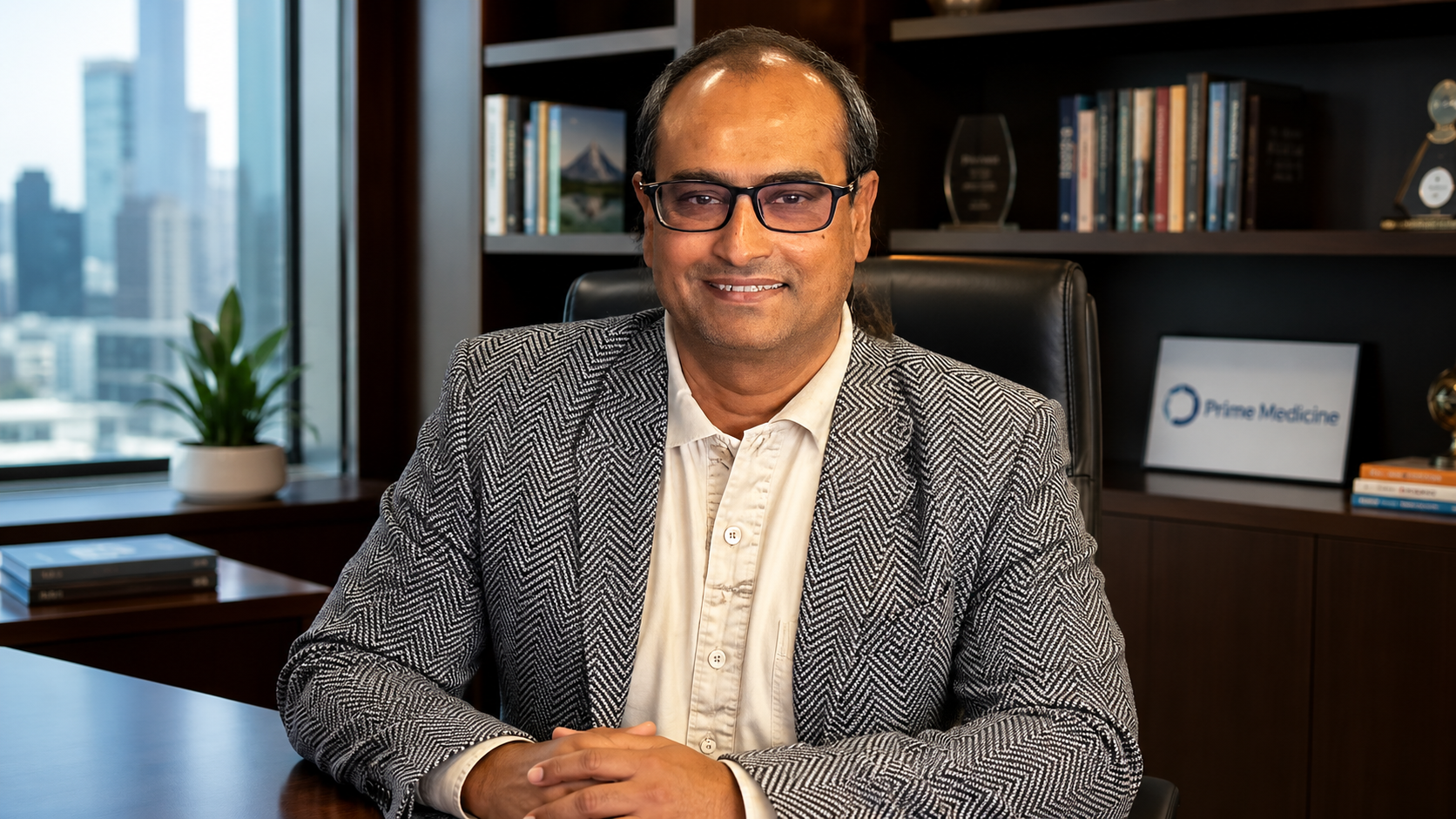
Challenges in Technology Transfer for Oligonucleotide Therapeutics: Analytical Complexity, Process Robustness, and CMC Readiness with Rowshon Alam, Ph.D. — Vice President, Prime Medicine, Inc.
A strategic deep dive with Rowshon Alam, Ph.D. of Prime Medicine on analytical complexity, process robustness, and technology transfer readiness in next-generation oligonucleotide therapeutics.
Interviews
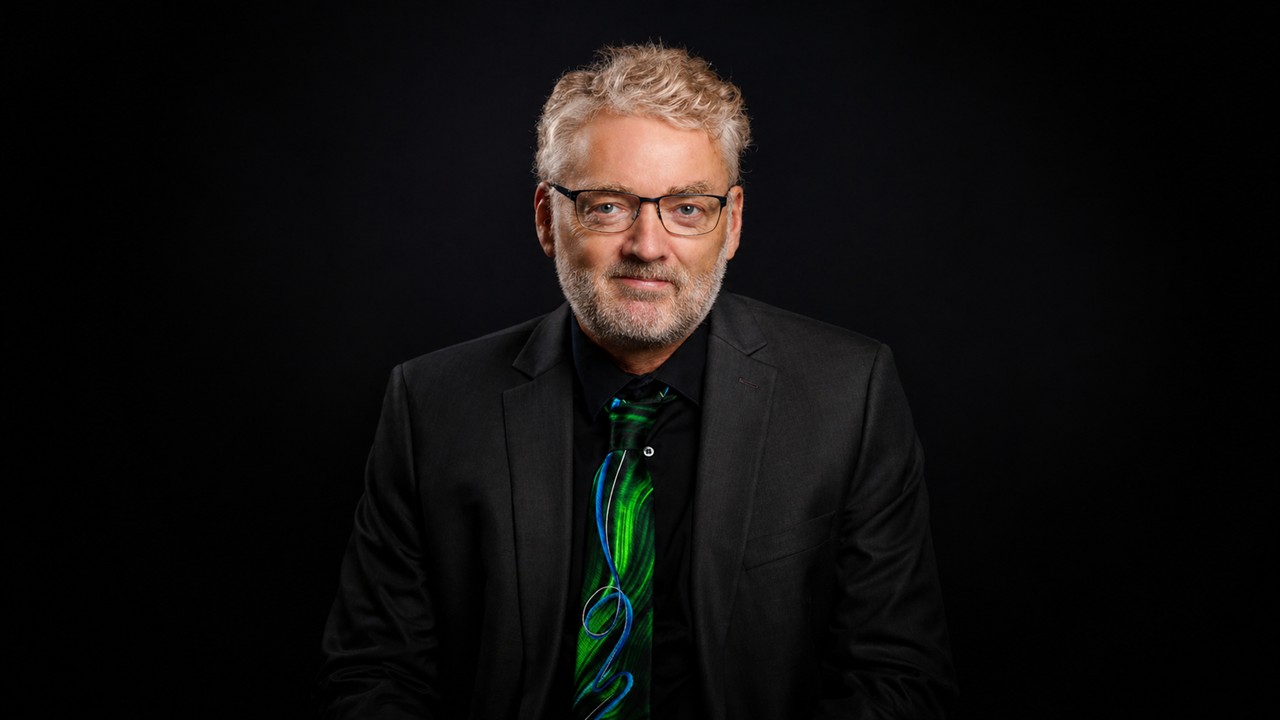
The Future of RNA CMC: Early Strategy, Smart Outsourcing, and Fully Integrated Development Architectures with Hagen Cramer, Ph.D., QurAlis CTO
Breaking CMC bottlenecks in RNA therapeutics is no longer a technical challenge, it is a strategic imperative under Hagen Cramer’s biotech leadership at QurAlis.

Interviews
De-Risking Biotech Investment Through CMC: Aligning Process Development, Manufacturing, and Market Viability with Seshu Tummala, PhD
From scaling gene-editing pipelines at CRISPR Therapeutics to leading end-to-end drug substance manufacturing at Uniquity Bio, Dr. Seshu Tummala defines how CMC strategy transforms breakthrough science into scalable, real-world therapeutics.

Interviews
Financing the Future of Health: Navigating Biotech Investment Risks and Rewards with David Crean, Cardiff Advisory LLC & 1004 Venture Partners
A deep dive into how strategic biotech investments balance scientific innovation with financial foresight in an era redefining the economics of health.
Read More Articles


Medicinal Chemistry & Pharmacology
April 14, 2026
Igor Nasonkin and Phythera Therapeutics: Moving Oncology Beyond Single Targets into Engineered Polypharmacologic Systems
Igor Nasonkin’s systems-driven approach at Phythera Therapeutics reframes oncology drug development from single-target inhibition to AI-enabled polypharmacologic network modulation using nature-derived molecular architectures.


Artificial Intelligence and Data Analytics
April 10, 2026
Inside Johnson & Johnson’s External Innovation Engine: Devin Swanson on Translating Integrated Discovery into Strategic Value
Devin Swanson’s leadership at Johnson & Johnson Innovative Medicines redefines external innovation as a tightly governed, AI-enabled translational system integrating multi-modal drug discovery, biomarker strategy, and capital-efficient execution.
Immunology & Oncology
April 9, 2026
From DMPK to Distributed Execution: Mehran F. Moghaddam’s Systems Strategy at OROX BioSciences, Inc.
A systems-level examination of how Mehran F. Moghaddam operationalizes DMPK, externalized R&D, and lipid-mediated therapeutics into a predictive, high-velocity biotech development architecture.


Artificial Intelligence and Data Analytics
March 31, 2026
From Data to Decision: Shicheng Guo’s Systems Approach to AI-Enabled Drug Development
A systems-level analysis of how Shicheng Guo is architecting AI-driven, human data–centric drug development at Arrowhead Pharmaceuticals.

Medicinal Chemistry & Pharmacology
March 30, 2026
Drugging mRNA with Small Molecules: David Weitz on Platform Strategy at Syrna Therapeutics
David Weitz of Syrna Therapeutics explores how small molecule modulation of mRNA, enabled by AI-driven discovery and platform-centric execution, is redefining the boundaries of druggable biology.